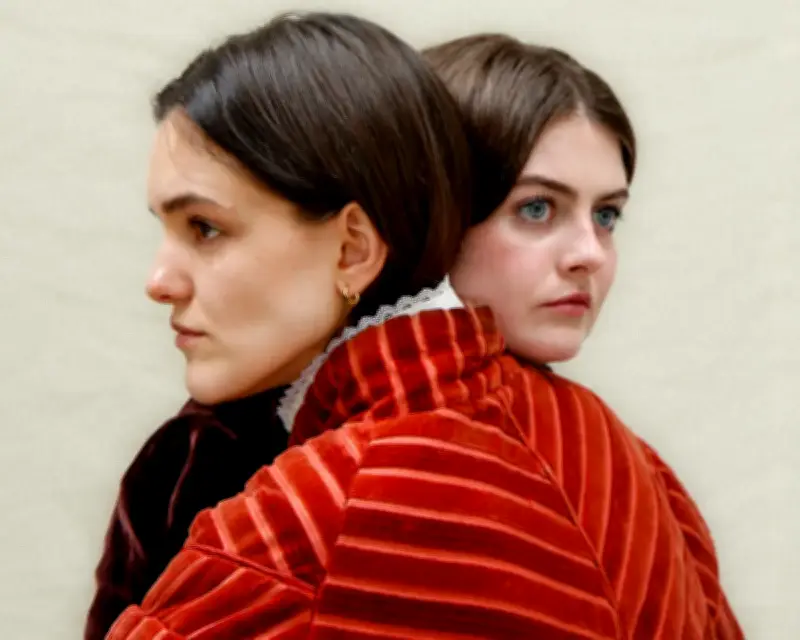
TheatreGoose's The Plot, written and directed by Emma Howlett, reimagines the Gunpowder Plot from a purgatorial perspective, featuring Sophie Kean and Abby McCann as the Catholic brothers Thomas and Robert Wintour. The production, running at Summerhall, Edinburgh, until 31 August, challenges the simplified myth surrounding 5 November, suggesting a more complex web of power play, double dealing, and political spin that implicates nearly everyone except Guy Fawkes.
Purgatory and the Gunpowder Plot
The two-hander opens with the Wintour brothers testing each other's tolerance for a naked flame, a nod to their historical association with gunpowder. They soon deduce they are in purgatory, their plot to blow up parliament having failed. Their memories of subsequent events are hazy, but both recall being sentenced to death. They harbor resentment over their fate but feel greater sympathy for Guy Fawkes, the mercenary who has borne the brunt of historical blame.
Howlett's narrative draws on the intrigue that spread through society in 1605, noting that Shakespeare likely channeled the events into Macbeth, with its cautionary tale about usurping a king. The production, however, is burdened by the formality of Howlett's vaguely period text, which often declaims dialogue where subtlety is needed.
Performance and Staging
Kean and McCann deliver the story with considerable energy, donning doublet and hose to portray this very male narrative. Yet, they struggle to match the physical invention and lightness of touch seen in last year's Aether. The result feels more like a history lesson than a fully engaging drama, though an engaging story lurks beneath the surface.
The production's exploration of the gunpowder plot's mythology is its most compelling aspect, offering a fresh angle on a familiar tale. However, the execution falls short of its ambitions, leaving the audience with a sense of missed potential.
Impact and Availability
As part of the Edinburgh festival, The Plot contributes to the ongoing reexamination of historical narratives, but its formal approach may limit its appeal. The play is available at Summerhall until 31 August, providing festival-goers with a thought-provoking, if uneven, theatrical experience.