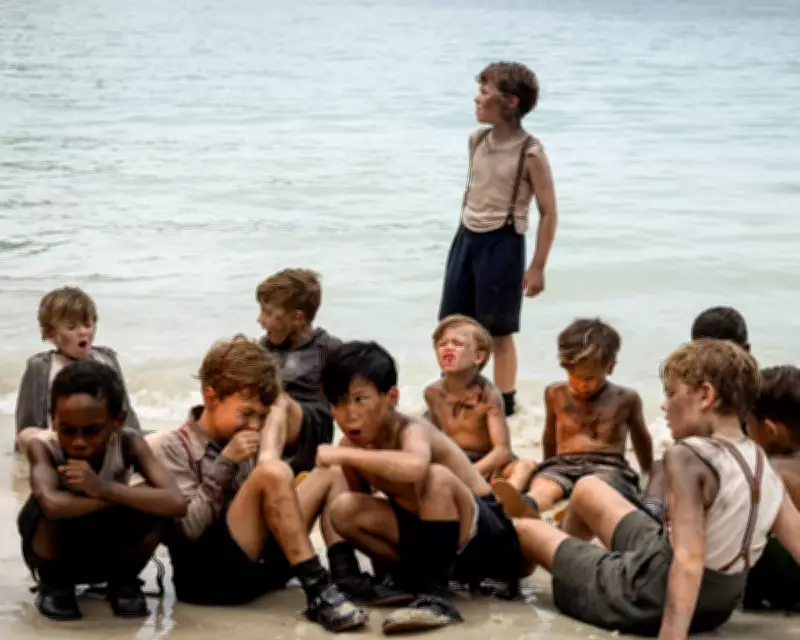
Lord of the Flies Revival Ignites Heated Debate on Race and Casting in Modern Theatre
A groundbreaking new production of William Golding's classic novel Lord of the Flies is set to premiere, featuring a diverse cast that reinterprets the story's themes through the lens of racial identity. This bold adaptation has sparked intense discussions among theatre critics, literary scholars, and audiences about representation, cultural relevance, and the evolution of classic works in contemporary society.
Diverse Casting Redefines a Literary Classic
The production, which opens next month at a prominent London theatre, deliberately casts actors from a wide range of ethnic backgrounds to portray the stranded schoolboys in Golding's tale. This decision moves beyond traditional, often homogeneous, interpretations to explore how race and identity intersect with the novel's core themes of power, survival, and human nature. The director has stated that this approach aims to make the story more resonant for today's multicultural audiences, while also challenging historical norms in theatre casting.
Themes of Racial Identity Take Center Stage
By incorporating explicit themes of racial identity, the adaptation delves into issues such as prejudice, solidarity, and social hierarchy within the group dynamics of the characters. Critics argue that this adds a new layer of complexity to the narrative, prompting viewers to reconsider the original text's implications in a modern context. Supporters praise the production for its innovative and timely exploration, while some traditionalists express concerns about altering the author's intended message.
Broader Implications for Theatre and Literature
This revival is part of a larger trend in the arts towards more inclusive and diverse storytelling, reflecting ongoing conversations about representation in culture. It raises important questions about how classic works can be adapted to address contemporary social issues without losing their essence. The debate extends to the role of theatre in shaping public discourse on race and identity, with many seeing this production as a catalyst for broader change in the industry.
As audiences prepare for the premiere, the discussion continues to evolve, highlighting the dynamic relationship between art, society, and identity in the 21st century.