Hacks and The Comeback Nail the Humiliations of Modern Celebrity
In the fifth and final season of the acclaimed sitcom Hacks, legendary comedian Deborah Vance, portrayed by Jean Smart, finds herself plunged into yet another career crisis. After a controversial exit from America's top late-night talk show, a vengeful non-compete clause bars her from performing new material. The Emmy-winning comedy's fourth season concluded on a cliffhanger, with TMZ erroneously reporting Deborah's death. Now resurrected for season five, the prodigal mother of comedy fears her lifetime of work will be defined by this premature departure. To secure her legacy, she sets her sights on staging a major comeback show at Madison Square Garden, stopping at nothing to make it happen.
A Symmetrical Struggle for Relevance
Not uncoincidentally, the final season of The Comeback begins on a similar note of desperation. Valerie Cherish, the high-cringe sitcom star played by a red-haired Lisa Kudrow, is handed a career lifeline with the lead role in a new sitcom. However, there is a significant catch: the script has been written by artificial intelligence, a secret Valerie is forbidden from sharing. This toe-curling scenario exemplifies the unique humor crafted by Kudrow and her collaborator, Michael Patrick King, who returns to form after the polarizing And Just Like That.
There is a satisfying symmetry to these two HBO sitcoms, both starring women over 60 and ostensibly about the painstaking process of making people laugh, as they air their final seasons concurrently. These shows illuminate a cultural habit of projecting "comeback" narratives onto women who feel societal pressure to constantly reinvent themselves to have their greatness celebrated. Moreover, they mock the indignities of contemporary fame, where even the most iconic stars are forced to chase relevance and clicks in an algorithm-driven era.
The Bleak Realities of Algorithm-Era Fame
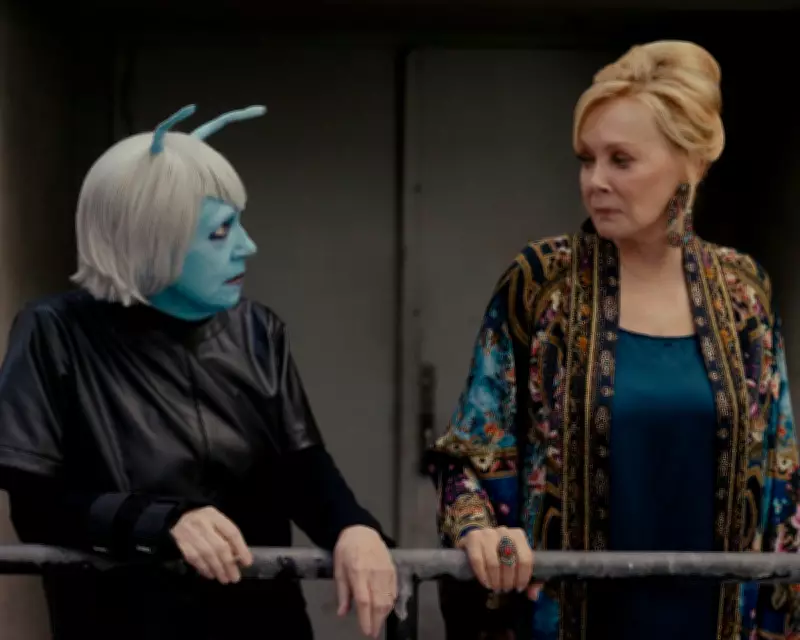
In Hacks, Deborah's talent was quickly dimmed by external pressures when she hosted a late-night show last season. In pursuit of ratings, her guests included fictional TikTok stars, and she was compelled to stalk unsuspecting celebrities like Kristen Bell to secure appearances. The commercial demands of the network placed her on an endless merry-go-round of filming TikToks, shaking hands at parties, and engaging in everything except the comedy that made her famous. In season five, we see her rallying fans at a convention with a blue-painted Ann Dowd and soon dancing in a clown costume, highlighting the extreme lengths she must go to stay relevant.
Similarly, The Comeback portrays Valerie trying to master dumbed-down versions of Broadway shows and going viral on reality TV for being useless. As she records her AI-written sitcom and a docuseries about making it, her social intern, Patience, scurries to capture clips, emphasizing that having a craft is no longer enough; constant content creation is essential for relevance. The whole premise of the show revolves around Valerie clinging to cultural value by leaning into new media forms, from reality TV to AI, while secretly yearning to be taken seriously as a comedy actor.
The Addiction to Comeback Narratives
As a culture, we seem addicted to projecting comeback narratives onto even the most talented women. In their HBO-created worlds, Deborah and Valerie occupy different statuses—Deborah as a formidable icon and Valerie in a more precarious position—yet in their final chapter, they feel more aligned. Both have survived decades in an industry obsessed with the newest thing, and despite their awards and reinventions, it never feels sufficient. The goalposts keep moving, leaving them perpetually one failure away from being declared a flop.
This phenomenon extends beyond fiction, as seen in real-life examples like Madonna's return with Confessions II, where public expectations often impose all-or-nothing pressures on female artists. Taylor Swift highlighted this in her 2020 Netflix documentary, Miss Americana, noting that female artists must remake themselves far more frequently than their male counterparts to avoid obsolescence. Ultimately, these shows reveal the extreme, undignified lengths Deborah and Valerie are willing to go for one more perfect comeback story, raising the poignant question: should they have to?