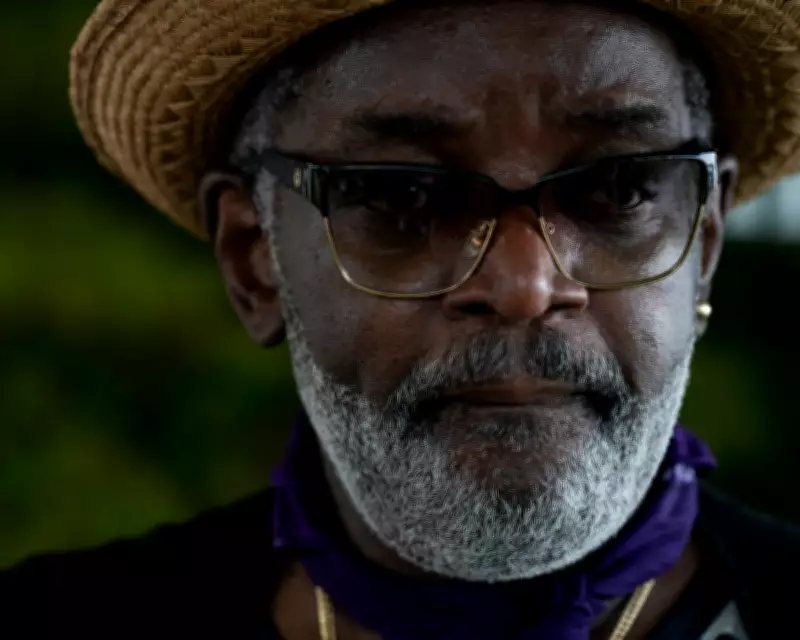
In the vibrant and tumultuous cultural landscape of New York City during the 1970s and 1980s, one figure emerged as a pivotal force in bridging diverse artistic worlds: Fab 5 Freddy, born Fred Brathwaite. His unique role as a connector between street art, hip-hop, and mainstream media not only shaped the era's creative output but also left an indelible mark on global culture.
The Rise of a Cultural Catalyst
Fab 5 Freddy first gained prominence in the late 1970s as a key player in the burgeoning graffiti and street art movement. Hailing from Brooklyn, he was instrumental in bringing the raw, expressive energy of subway art to wider audiences. His work, characterized by bold colors and dynamic compositions, captured the essence of urban life and rebellion, making him a standout figure in a scene that was often marginalized by the traditional art establishment.
Connecting Art and Music
Beyond his visual artistry, Fab 5 Freddy played a crucial role in the hip-hop revolution. He was a close associate of early hip-hop pioneers, helping to fuse graffiti culture with the emerging sounds of rap and breakdancing. This synergy was epitomized in his involvement with the iconic film "Wild Style" (1983), where he served as a consultant and performer, showcasing the interconnectedness of New York's underground creative communities.

His influence extended to music videos and television, most notably as the first host of MTV's "Yo! MTV Raps" in the late 1980s. This platform allowed him to introduce hip-hop to a global audience, breaking down barriers between street culture and mainstream media. Through his charismatic presence and deep knowledge of the scene, he became a trusted voice that validated hip-hop as a legitimate and powerful art form.
Legacy and Lasting Impact
Fab 5 Freddy's contributions went beyond mere promotion; he actively fostered collaborations that enriched both the art and music worlds. By advocating for the recognition of graffiti as fine art, he helped pave the way for street artists to gain acceptance in galleries and museums. His efforts challenged societal perceptions, highlighting the creativity and skill inherent in urban expressions.
Today, his legacy endures as a testament to the power of cultural cross-pollination. The New York creative scene of the 1970s and 1980s, with its fusion of visual arts, music, and performance, owes much to his visionary approach. Fab 5 Freddy's story reminds us that innovation often arises at the intersections, where diverse voices come together to redefine what art can be.
In reflecting on his career, it is clear that Fab 5 Freddy was more than just an artist or host; he was a catalyst who transformed New York's cultural fabric. His work continues to inspire new generations of creators, proving that the bridges he built between street art and hip-hop remain as relevant and influential as ever.