Brad Rimmer's Lens Reveals the Heart of Australia's Wheatbelt
Australian photographer Brad Rimmer has turned his artistic focus to the vast and often overlooked Wheatbelt region, producing a compelling series that captures its unique character. Through his evocative images, Rimmer documents the stark beauty of this rural area, offering viewers a glimpse into its expansive landscapes and the resilient communities that call it home.
Exploring the Region's Stark Beauty
The Wheatbelt, known for its agricultural significance, is portrayed in Rimmer's work with a raw and unfiltered honesty. His photographs highlight the sweeping plains, weathered farm structures, and the subtle interplay of light and shadow that defines the area. Each image tells a story of endurance and adaptation, reflecting the harsh yet majestic environment that shapes daily life here.
Rimmer's approach goes beyond mere documentation; he seeks to evoke an emotional connection, using composition and timing to emphasize the region's quiet grandeur. From golden fields at harvest time to solitary trees against vast skies, his work invites contemplation of the natural and human elements intertwined in this landscape.

Focus on Rural Life and Communities
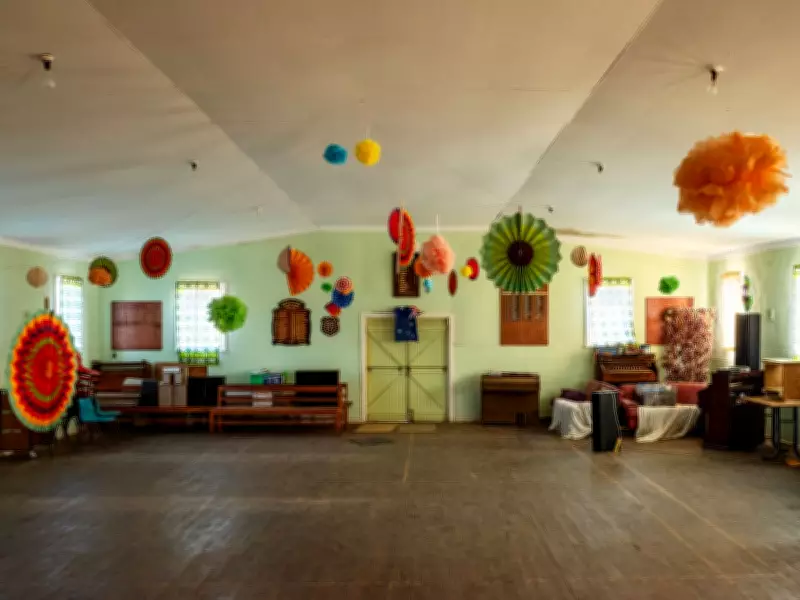
In addition to the physical scenery, Rimmer's photography delves into the human aspect of the Wheatbelt. He captures moments of rural life, from farmers at work to community gatherings, providing a nuanced portrait of the people who sustain this region. These images underscore the challenges and triumphs faced by residents, adding depth to the visual narrative.
Through his lens, Rimmer not only showcases the aesthetic appeal of the Wheatbelt but also raises awareness of its cultural and economic importance. His work serves as a tribute to the resilience of rural Australia, highlighting themes of sustainability, tradition, and change in an ever-evolving landscape.
Artistic Significance and Impact
Brad Rimmer's project contributes to a broader appreciation of regional Australian photography, aligning with efforts to celebrate diverse landscapes beyond urban centers. By focusing on the Wheatbelt, he brings attention to areas often marginalized in mainstream media, fostering a greater understanding of their value and beauty.
This photographic series has been featured in galleries and publications, sparking conversations about environmental stewardship and rural identity. As Rimmer continues to explore this theme, his work promises to inspire both art enthusiasts and those interested in Australia's geographical and social fabric.