Wireless Festival Axed Following Kanye West's UK Entry Ban
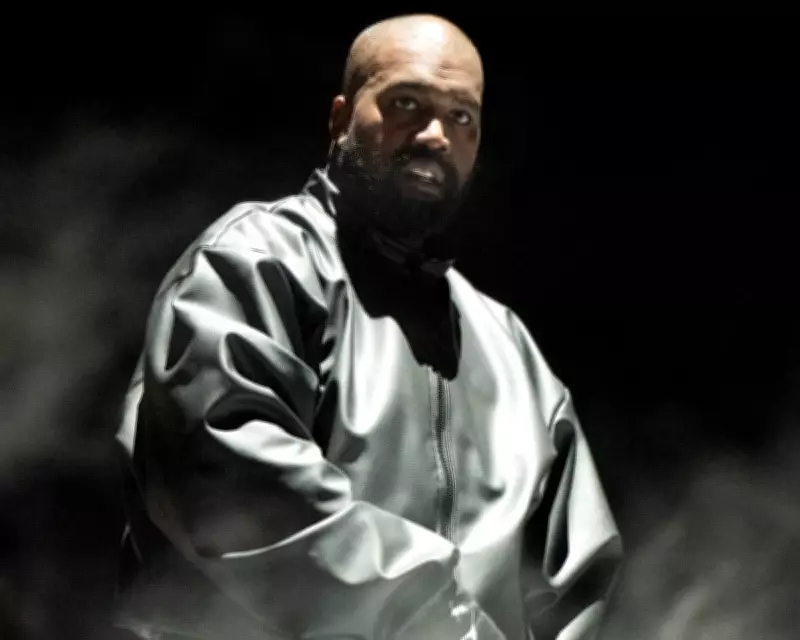
The highly anticipated Wireless music festival, scheduled for July in London, has been officially cancelled after controversial rapper Kanye West, legally known as Ye, was barred from entering the United Kingdom. This decisive move by the Home Office stems from West's extensive history of making antisemitic statements, which government officials determined made his presence in the UK contrary to the public good.
Home Office Intervention and Festival Fallout
West's application for an Electronic Travel Authorisation (ETA) was initially granted online on Monday but was swiftly rescinded following a ministerial review. A spokesperson for the festival confirmed the cancellation, stating, "The Home Office has withdrawn Ye's ETA, denying him entry into the United Kingdom. As a result, Wireless festival is cancelled and refunds will be issued to all ticket holders."
The festival organisers emphasised that they had consulted multiple stakeholders before booking Ye and no concerns were raised at the time. In their statement, they acknowledged the severity of the situation, noting, "Antisemitism in all its forms is abhorrent, and we recognise the real and personal impact these issues have had."

Ye's Controversial History and Recent Outreach
Kanye West has faced widespread condemnation for numerous antisemitic remarks, including expressing admiration for Adolf Hitler. Last year, he released a song titled "Heil Hitler" and previously advertised a swastika T-shirt on his website. In January, Ye took out a full-page advertisement in the Wall Street Journal apologising for his behaviour, attributing some actions to his bipolar disorder.
On Tuesday, Ye issued a statement offering to "meet and listen" to members of the UK's Jewish community. However, this gesture came too late to alter the government's decision. Phil Rosenberg, president of the Board of Deputies of British Jews, expressed willingness to meet Ye only if he withdrew from the festival, highlighting that his latest album still includes a track with the offensive title "Gas Chamber."
Political and Logistical Ramifications
The cancellation has created significant logistical challenges for Wireless organisers, who now face filling three headline slots with just three months' notice. The festival's strategy of using one A-list artist to headline consecutive days limited replacement options, as many top performers have already finalised their summer schedules.
Prime Minister's official spokesperson addressed the situation, stating, "We've been clear that his permission to enter the UK is under review as we speak. All available options remain on the table." He added that decisions are made case-by-case, but the government does not hesitate to act against individuals who threaten public safety or spread extremism.
Historical Context of US Artist Bans
Kanye West joins a notable list of American cultural figures who have been banned from entering the UK. Snoop Dogg was denied entry in 2007 after an incident at Heathrow, though his ban was lifted in 2008. That same year, television personality Martha Stewart was barred due to a prior conviction. In 2015, rapper Tyler, the Creator was banned for four years under anti-terrorism legislation by then-Home Secretary Theresa May, who cited his lyrics as promoting violence and intolerance.
The Wireless cancellation underscores the ongoing tension between artistic expression and public accountability, particularly concerning hate speech and extremism. As refunds are processed, the music industry and fans alike are left to ponder the broader implications of this high-profile exclusion.