Wireless Festival Collapses After Kanye West Visa Denial
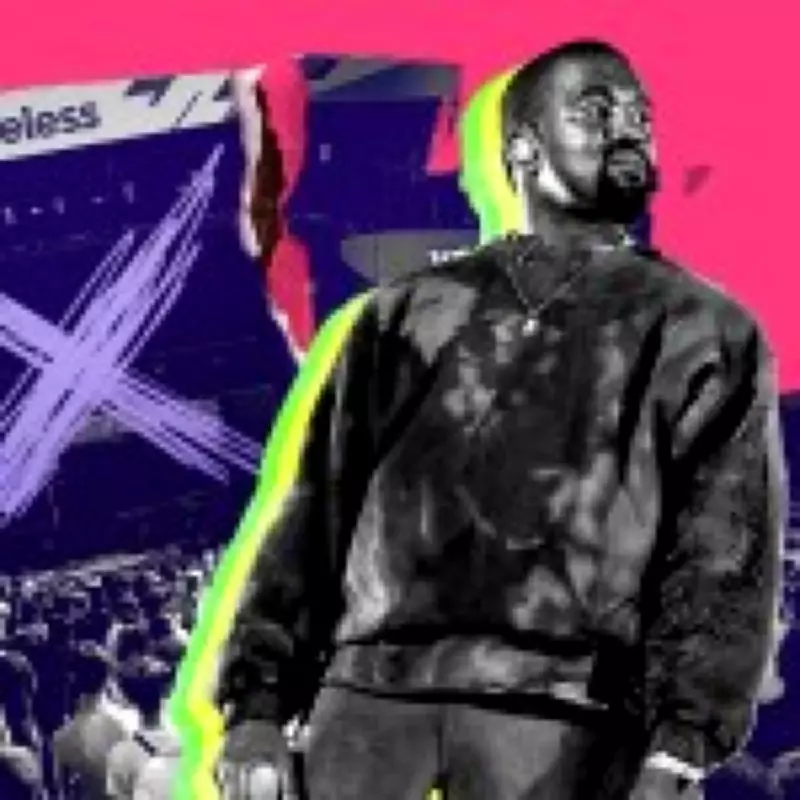
In a stunning turn of events that has left the music industry reeling, the Wireless Festival has been officially cancelled after the Home Office denied Kanye West entry to the United Kingdom. The government ruled that the controversial rapper's presence "would not be conducive to the public good," bringing a dramatic end to what had become one of the most chaotic festival sagas in recent memory.
A Rapid Descent Into Chaos
The festival's announcement that Kanye West would headline all three nights at Finsbury Park this July sparked immediate controversy. The decision to book an artist who has spent years damaging his mainstream reputation with antisemitic, racist, sexist, and homophobic remarks seemed particularly tone-deaf to many observers. Just last year, West released a song titled "Heil Hitler," sold swastika T-shirts, declared himself a Nazi, and repeatedly engaged in rhetoric that would typically end most public careers.
Despite a full-page apology in the Wall Street Journal in January 2026 for his antisemitic behavior, many considered the gesture too little, too late. The backlash against the booking was swift and overwhelming, creating a perfect storm of public outrage that ultimately led to the festival's demise.

Political and Corporate Backlash
As news of the booking spread, politicians from across the spectrum felt compelled to weigh in. Prime Minister Keir Starmer called the decision "deeply concerning," while Health Secretary Wes Streeting said organizers should be "ashamed of themselves." London Mayor Sadiq Khan condemned it as "deeply irresponsible," creating a unified political front against the festival's controversial choice.
The corporate response proved equally damaging. Pepsi, the festival's headline partner since 2015, quickly distanced itself from the event. Rockstar Energy, PayPal, and Diageo all followed suit in rapid succession, creating a sponsorship exodus that left the festival financially vulnerable. Comedian Matt Lucas captured the public mood with a viral social media post that questioned the judgment of booking an artist with West's history of antisemitic behavior.
Festival Organizer's Controversial Defense
Throughout the mounting criticism, festival boss Melvin Benn defended the decision in a series of interviews and statements. He framed West's appearance as an act of forgiveness, rehabilitation, and faith in redemption, asking the public to view it as a bold, compassionate second chance rather than a lapse in judgment. This approach, which many found arrogant and dismissive of legitimate concerns, particularly within the Jewish community, only served to intensify the backlash.
Jewish organizations responded forcefully, with a spokesperson for the Campaign Against Antisemitism stating: "This is about profit, not forgiveness. Nobody knows what might come out of Mr. West's mouth on that stage or subsequently... that is why if the appearances go ahead, we will be organising a mass demonstration outside the festival."
The Final Hours and Government Intervention
In a bizarre twist of timing, pre-sale tickets reportedly sold out just hours before news broke that West's visa application had been denied by the Home Office. The government's decisive action marked a rare moment of political efficiency, with the entire saga unfolding and concluding within a matter of days.
West attempted last-minute damage control with a statement expressing his desire to come to London as "a show of change," bringing "unity, peace, and love through my music." He offered to meet with members of the UK Jewish community and acknowledged that words alone were insufficient. However, these efforts proved too late to alter the government's decision or public perception.
Broader Implications for UK Music Festivals
As fans process the disappointment of a summer without one of London's most beloved music events, broader questions emerge about the future of festival bookings in the United Kingdom. The Wireless cancellation represents more than just the failure of a single event—it signals a potential shift in how festivals assess risk, public perception, and artist suitability.

The spectacular collapse of what was meant to be a major summer highlight serves as a cautionary tale about the intersection of entertainment, politics, and social responsibility. Organizers gambled on controversy and lost spectacularly, leaving the industry to ponder whether this represents an isolated incident or a new paradigm for festival programming in an increasingly polarized cultural landscape.
What remains clear is that the days when festival bookings could be considered purely artistic decisions, divorced from political and social consequences, may be coming to an end. The Wireless saga demonstrates that in today's climate, controversial artists come with baggage that extends far beyond their musical catalog, carrying implications that can ultimately determine an event's very existence.