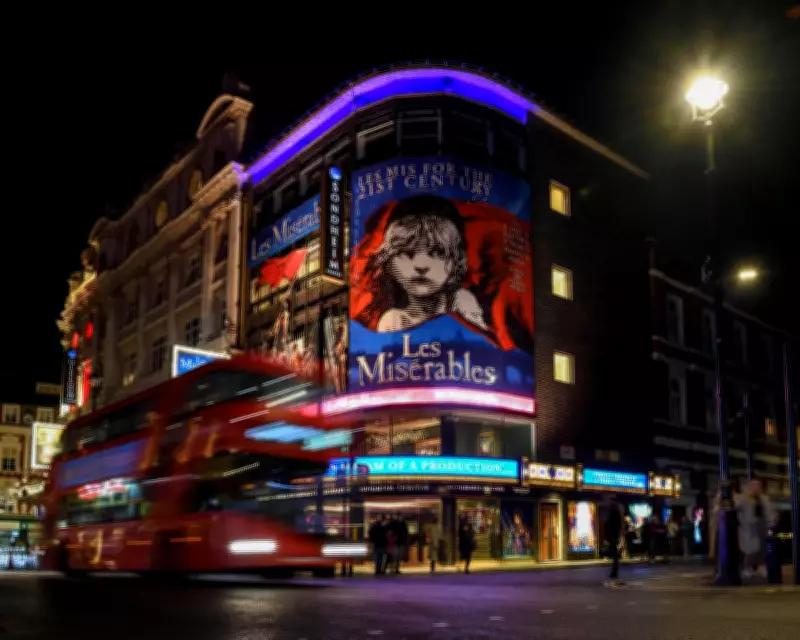
London's West End, the glittering heart of British theatre, could face significant disruption as the Equity union ballots its members for potential strikes. The dispute centers on pay and working conditions, with actors and stage managers demanding a fairer share of the industry's post-pandemic recovery.
Union Demands and Industry Impact
Equity, which represents over 50,000 performers and creative professionals, has called for a ballot after negotiations with the Society of London Theatre (SOLT) failed to produce a satisfactory agreement. The union argues that while ticket prices and producer profits have soared, the wages for many behind-the-scenes staff and performers have stagnated.
If the ballot passes, strikes could affect major productions across the West End, including long-running shows and new plays. This would mark the first major industrial action in the sector since 2020, potentially causing millions in lost revenue and disappointing thousands of theatregoers.

Key Issues at Stake
- Pay Disparity: Equity claims that many members earn below a living wage, especially in smaller roles and backstage positions.
- Working Conditions: Long hours, lack of breaks, and inadequate safety provisions are cited as ongoing concerns.
- Post-Pandemic Recovery: The union argues that the industry's rebound has not benefited all workers equally, with profits concentrated among producers and top-tier stars.
Industry Response and Next Steps
The Society of London Theatre has expressed disappointment at the ballot, stating that they have offered a 12% pay increase over three years, along with improved benefits. However, Equity maintains that this does not go far enough, especially given the rising cost of living in London.
The ballot will close on June 10, and if a majority votes in favor of strikes, they could begin as early as mid-June. This would coincide with the peak summer season, when many tourists flock to the West End.
Both sides have indicated a willingness to return to negotiations, but the clock is ticking. The outcome will have significant implications for London's cultural scene and its reputation as a global theatre hub.