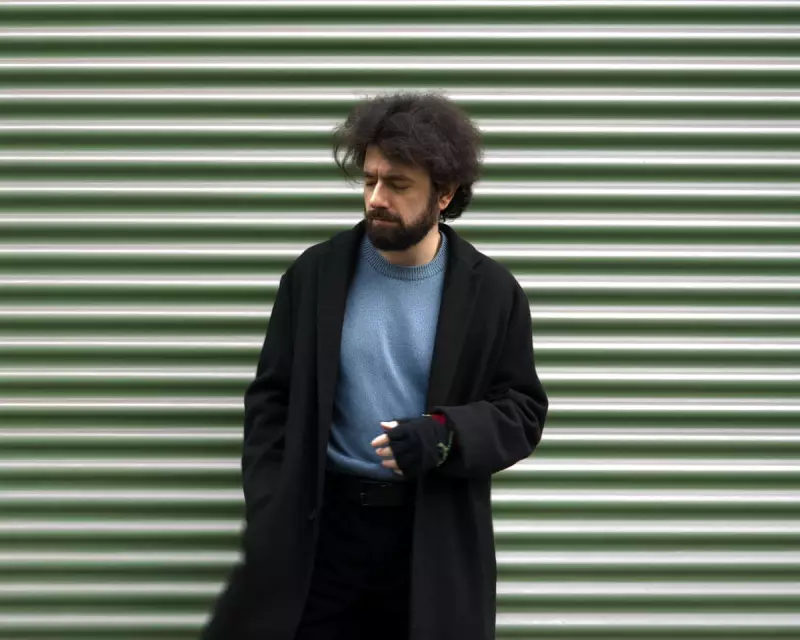
The landscape of Arabic electronic experimentalism is experiencing a vibrant surge, with diaspora artists forging compelling new sonic paths. The latest significant contribution comes from Beirut-born, Amsterdam-based composer and producer Toni Geitani, whose masterfully produced second album, Wahj – meaning 'radiance' in Arabic – is a cinematic journey through tension, beauty, and ruinous sound.
A Producer at the Crossroads of Sound and Vision
Geitani is no newcomer to crafting evocative atmospheres. His background as a visual artist and sound designer informs his approach, having created soundscapes for films like the 2024 sci-fi feature Radius Collapse. His 2018 debut, Al Roujoou Ilal Qamar, even sampled dabke rhythms while echoing the shadowy aesthetics of producers like Burial. On Wahj, he synthesises these experiences, harnessing soaring layali vocalisations, reverb-drenched drums, and analogue synths to build immersive, filmic worlds.
Navigating Between Beauty and Chaos
The album's opener, Hal, establishes a plaintive mood with a yearning cello solo from Nia Ralinova and Geitani's own melismatic vocals drifting over slow synth pulses. This serenity is deliberately short-lived. The subsequent tracks, Ya Sah and La, introduce thundering drums and doomy synth lines, while Tuyoor unleashes a blast beat cacophony and Fawqa al Ghaym delves into industrial techno distortions.

At moments, as on Ya Aman with its bellowing vocals and clattering percussion, the intensity verges on heightened melodrama. Yet, Geitani largely maintains a deft control over his complex soundscapes. The highlight Ruwaydan Ruwaydan expertly tempers a jazz swing groove with a sudden beat-switch and a piercing ney flute line. The closing track, Madda Mudadda, builds meticulously from calming ambience into a crushing storm of static and whispered melody.
Other Notable Releases This Month
Geitani's work arrives alongside other compelling global releases. Tuareg group Imarhan push beyond desert blues traditions on their new album Essam (City Slang), incorporating electronic thumps and dancefloor-ready drum programming. Palestinian rapper Tamer Nafar delivers his first English-language album, In the Name of the Father, the Imam & John Lennon (Levantine Music), channeling funk swagger and trap bass. From Brazil, Grupo Um's Nineteen Seventy Seven (Far Out Recordings) offers a rediscovered gem of propulsive funk-jazz fusion from members of Hermeto Pascoal's seminal band.
Ultimately, Wahj is an album that revels in dark tension. Toni Geitani constructs a challenging yet captivating auditory experience, inviting listeners to find profound beauty within sounds that evoke ruin and decay. It is a radiant statement from an artist confidently expanding the frontiers of contemporary Arabic electronic music.