Sámi DJ Duo Article 3 Blends Tradition with Modern Beats in Indigenous Music Scene
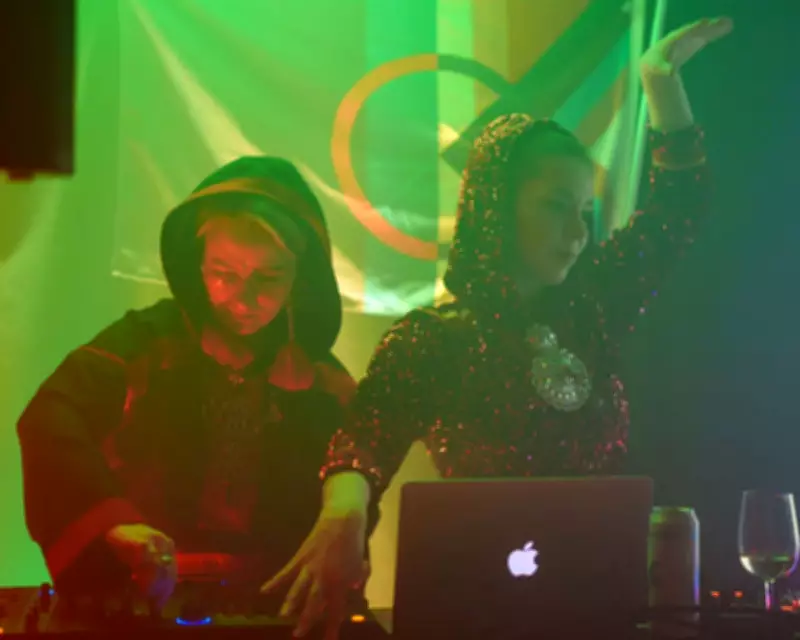
Petra Laiti and Alice Marie Jektevik, the dynamic duo behind Article 3, are at the forefront of a burgeoning Sámi DJ scene that is captivating audiences across Europe. Despite residing in a remote village in northeastern Norway, their rural location in Sápmi—the traditional homeland spanning parts of Sweden, Norway, Finland, and Russia—has become a profound source of inspiration for their innovative sound.
Holistic Inspiration from Sámi Culture
Laiti, 30, and Jektevik, 36, describe their creative process as deeply holistic. "Everything is inspiring another area," Laiti explains, noting how conversations during coffee meetups seamlessly shift from DJ gear to traditional activities like fishing and handicrafts, then back to planning visual elements for their performances. This blend of old and new defines their approach, as they navigate a world where hyper-modern DJing coexists with a yearning for ancestral knowledge.
Rising Pride in Indigenous Identity
The Sámi people, recognized as one of Sweden's official national minorities and the only Indigenous group in the EU, have a history stretching back thousands of years. Article 3, formed in 2018, initially stood as the sole female Sámi DJ collective in a male-dominated field. Today, the landscape has transformed dramatically, with numerous female DJs emerging and a surging demand for club nights focused on Indigenous music.

Laiti attributes this shift to a newfound pride among younger Sámi generations. "People our parents' age were raised with shame and assimilation," she says, highlighting how past social issues suppressed identities. Now, young people in their 20s openly celebrate traditional garments and handicrafts as symbols of pride, fueling a vibrant arts and culture scene.
Unique Musical Fusion and Performances
Article 3's sets are a captivating mix of joik—a traditional Sámi vocal style—electronic beats, and throat singing. They perform in diverse venues, from outdoor raves in snowy forests to dark indoor clubs during summer festivals. Their upcoming show at the Barents Spektakel art festival in Kirkenes, Norway, will feature Sámi and global Indigenous music paired with live visuals, alongside some "guilty pleasure pop" to ease mixing.
The primary goal is to create safe, inclusive club spaces where people can freely enjoy themselves and feel confident. Laiti notes that combining a well-known joik with a strong beat often sparks overwhelming joy on the dancefloor, creating a contagious atmosphere that brings professional fulfillment.
Challenges and Opportunities Across Borders
As Sámi artists, Laiti and Jektevik face unique challenges due to national borders that divide their homeland. The theme of this year's Barents Spektakel, "the border crossed us," marks the 200th anniversary of the northern border separating Finland, Russia, and Norway. This geopolitical reality forces artists to strategize careers across countries, impacting everything from arts funding to livelihood opportunities.
"You could call it forced mobility," Laiti remarks, emphasizing how borders compel Sámi artists to navigate multiple nationalities to build sustainable careers. Despite these hurdles, the growing Sámi DJ scene continues to thrive, driven by a passionate community eager to share its rich cultural heritage with the world.