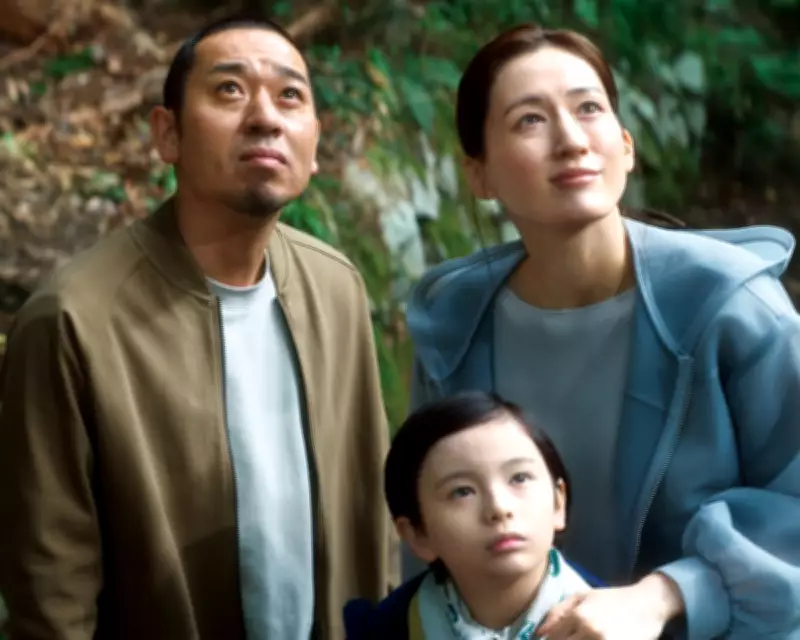
Hirokazu Kore-eda's new film, Sheep in the Box, is a bafflingly unsatisfying and unconvincing muddle of ideas and moods. The Japanese director ventures into sci-fi territory with a futurist fable about AI-humanoid robot children, but the result is a bland and unpersuasive effort.
A Familiar Yet Unconvincing Premise
The story follows Otone (Haruka Ayasi), an architect who works from home, and her husband Kensuke (Daigo Yamamoto), a carpenter who enjoys beer and baseball. Two years after their seven-year-old son, Kakeru (Rimu Kuwaki), was killed by a hit-and-run driver, they are approached by a company called REbirth. This corporation, with its huge white offices and creepy logos, offers a promotional free offer: an ultra-hi-tech humanoid robot replica of Kakeru, fabricated from videos, photos, and other materials provided by the grieving parents. The new Kakeru can stay with them to help them through the grieving process.
Emotional Fireworks Fizzle
When the robot child is delivered, the audience expects emotional fireworks or a significant numbed lack of emotion, but neither occurs. Otone and Kensuke react bizarrely matter-of-factly, as if they had received a sophisticated iPhone. Otone's mother faints upon seeing the robot but recovers quickly. The film fails to explore the profound implications of such a technological replacement.

Otone wants to make a success of the new arrival, while Kensuke is grumpily unsure. He harshly tells the robot not to call him daddy, leading to an ironic subplot where the police suspect them of being a paedophile and victim on the street. This tonal oddity persists throughout, trying to be a sci-fi dystopia and a relatable heartbreaker about parental grief, but the two modes undermine each other. The film does not attempt comedy, unlike Spike Jonze's Her; its intention is always seraphically serious.
Undeveloped Ideas
Kensuke brings the robot to the scene of the hit-and-run crime to see if it can remember details of the culprit's identity—a clever Hollywood-ish idea that the film does not pursue. He also uses the robot as a confessor for his own guilt about the boy's death, but this idea remains undeveloped. The film also introduces other abandoned robot children who contact Kakeru, planning a kind of replicant revolt that represents a yearning for freedom. However, this subplot is left unsatisfying and baffling, accompanied by dreamy-sweet music.
A Misfire for Kore-eda
There is nothing wrong with film-makers leaving their comfort zone, but Kore-eda's quietist, un-emphasised style does not suit this material. The story is misconceived, and the film is not as interesting as similar works like Kogonada's After Yang or Benjamin Cleary's Swan Song. Sheep in the Box screened at the Cannes film festival, leaving audiences unsatisfied and baffled to the last.