The Oasis reunion tour documentary, Don't Look Back in Anger, captures the staggering scale and emotional depth of last year's comeback concerts, a phenomenon that surprised many non-believers. The film, which screened at the Venice Film Festival and is released on 11 September in the UK and US, presents a fan-worship treatment that is hard to begrudge, given the euphoria the brothers have created.
A reunion that defied expectations
The documentary opens with an extended montage of the 90s glory days, leading to the ugly falling out in the 00s, and how the non-Oasis years coincided with an era of inept politicians and terrible sadness all round. It then shows Keir Starmer chortlingly agreeing how great it is that Oasis reunited on his watch. The film revives the memory of last year's tour, which put a fresh coat of paint on the word "phenomenon".
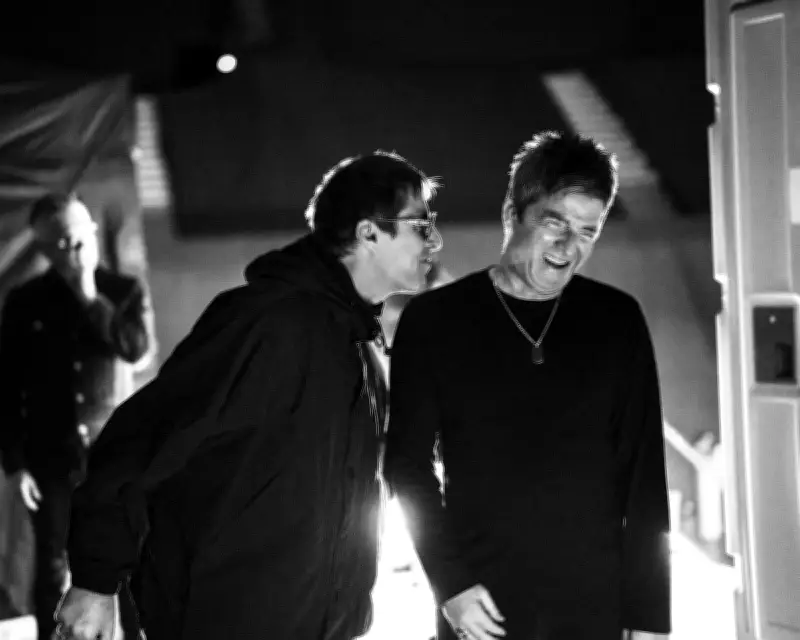
Despite the doubts of many, Liam and Noel Gallagher did not fall out during the tour. The film captures the tense rehearsal room scene where Liam finally shows up after Noel and everyone else had been there for hours. The very first thing that comes out of his mouth is a fierce and magnificently sullen objection to the baffles on the drum kit: "They're giving me the hump." This moment provides a big laugh, highlighting how effortlessly funny the Gallagher brothers are, like a great comic double act.
Mass joy and poignant songs
The film immerses viewers in the gigs themselves, which on the face of it are no bigger in scale than many other bands' live shows, but with a specific tearful ecstasy that U2, Metallica, or the Stones cannot manage. Middle-aged and elderly people, together with young people sporting bucket hats—some accompanied by their pets in bucket hats—sang their hearts out as if it was the 90s again and Manchester City had just won the World Cup 10-0. The film was evidently completed before Wonderwall's moment at this year's World Cup.
The poignancy of time passing and the irresistible narrative of the brothers' public reconciliation give a new layer of emotion to the songs. Noel now looks like the silver-fox dad of the band; Liam, with what looks like a ridge or a scar on his nose, looks more like a bloke whose pint you do not want to spill. But this was always the case. Noel's songs always combined, in a distinctive way, euphoria and sadness, moods which seem to float free of meaning in the strictest sense. Now they and all their fans have got something to be euphoric and sad about.
Brothers' togetherness and political echoes
As for the brothers' togetherness, the film shows it is sincere and real in public, and real on stage, where it counts. Noel and Liam are rarely interviewed together; here mostly it is Noel solo. The reviewer wonders if, like Mick Jagger and Keith Richards, they now come together to make music after reaching an accommodation. Whatever wound each other up has not magically vanished, but is being managed. Part of the problem was that Noel's songwriting credits made the big money—not Liam. Perhaps the lawyers have hammered something out here, but it is not shown in the film.
The film misses out one of the most famous moments of their career: Noel's 1997 handshake with Tony Blair at the Downing Street victory party, which came to capture the zeitgeist of Cool Britannia. It also does not include Noel's earlier comment at the Brits: "There are seven people in this room tonight who are giving a little bit of hope to young people in this country. That is me, our kid, Bonehead, Guigsy, Alan White and Tony Blair." Noel is not asked about Blair here, but both him and Liam reject any notion they are "rightwing".
A film that defies cynicism
As Liam says, they just stand there, rooted to their mic positions; they don't do Jagger acrobatics, it's very relaxing and they can keep doing it for years. It was always difficult to be cynical about Oasis and now it's impossible. The film brings the joy and poignancy of the reunion to the big screen, offering fans a chance to relive the euphoria and the emotional weight of the brothers' reconciliation.