Niall Horan Opens Up About Emotional Turmoil Following Liam Payne's Tragic Passing
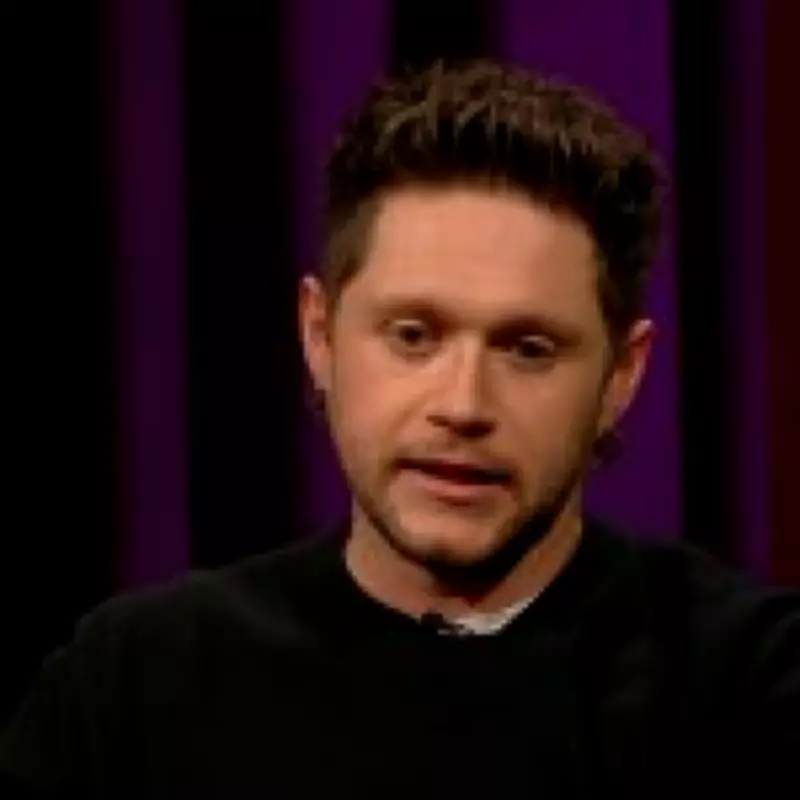
Niall Horan has publicly addressed the profound grief he continues to experience following the sudden death of his former One Direction bandmate Liam Payne. In a candid interview on The Tommy Tiernan Show, the 32-year-old singer revealed the emotional challenges he has faced since Payne's unexpected passing at age 31 in October 2024.
The Moment of Shock and Media Overwhelm
Horan described the initial shock of learning about Payne's death, which occurred after a fall from a third-floor hotel balcony in Buenos Aires, Argentina. "Looking down at your phone, that's shock," Horan recalled. He then made what he called a "mistake" by turning on television news coverage. "Stupidly turning on Sky News, and then the next channel. The whole world is talking about it, like it's the biggest breaking news on the planet at that minute."
The singer found the media attention particularly disorienting, noting how strange it felt to see himself in pictures alongside Payne during the coverage. "I found that very weird. What your man beside me? Him there? That's a strange one," he shared.

A Friendship That Spanned Years
Horan and Payne's friendship began in 2010 when they shared a room during their time on The X Factor, forming what would become the globally successful boy band One Direction. Despite their closeness during their teenage years, Horan admitted they had drifted apart in recent times. "I wasn't aware of the depth of his issues," Horan confessed, referencing Payne's well-documented struggles with substance abuse and mental health that the "Strip That Down" singer had openly discussed before his death.
Choking up slightly during the interview, Horan reflected on their relationship: "I grew up with this fella, and all of a sudden, it's just no more. It's such a strange thing to go through. You go through, like, what could I have done if I'd known more? Should I have dug more into it?"
Choosing Personal Grief Over Public Discourse
After witnessing the initial media coverage, Horan made a firm decision to avoid further news about the tragedy and to limit his public comments. "I can't go any further than this because I've got a funeral to go to and things like that," he explained. "I can't be worrying about what they're going to say next, because I have my own grief to deal with."
The singer emphasized his desire to remember Payne through his own personal memories rather than through the lens of media narratives. Horan had actually been in Buenos Aires approximately two weeks before Payne's fatal fall, where the two former bandmates met for coffee and Payne attended Horan's solo concert. "He was in the dressing room before and then, yeah, came to the show. It was great to see Liam," Horan acknowledged.
The Ongoing Investigation and Aftermath
In the weeks following Payne's death, local police conducted an investigation that initially led to five people being charged in connection with the incident. However, months later, Buckinghamshire Coroner's Court confirmed the cause of death as "polytrauma," and all charges were subsequently dropped. Speculation about excessive drug and alcohol use at the time of the incident circulated widely, with photos of Payne's damaged hotel room adding to the mystery surrounding his final hours.
Fellow Bandmates' Shared Grief
Horan is not alone in his struggle to process the loss. Louis Tomlinson, who previously revealed that Horan was the one who informed him of Payne's death, has also expressed regret about not reaching out more to his friend. Harry Styles has separately discussed his own difficulties in coming to terms with the tragedy while managing his grief alongside that of devoted fans.
All remaining One Direction members are currently releasing or have recently released solo albums, with Payne's memory becoming a recurring topic in their interviews. On his upcoming album "Dinner Party," Horan has included a track titled "End of an Era" as a tribute to his late friend.

The Unresolved Nature of Loss
Despite the passage of time, Horan admitted he still hasn't fully processed the reality of Payne's absence. "I just haven't wrapped my own head around it," he confessed to host Tommy Tiernan. "It's a weird thing to be going through at thirty-something, that someone two weeks older than you can just be here today, gone tomorrow."
The emotional interview provides a rare glimpse into the complex grieving process of public figures who must navigate personal loss while under constant media scrutiny. Horan's reflections underscore the universal nature of grief, even for those living in the spotlight, and highlight the particular challenges of mourning when every aspect becomes public discourse.