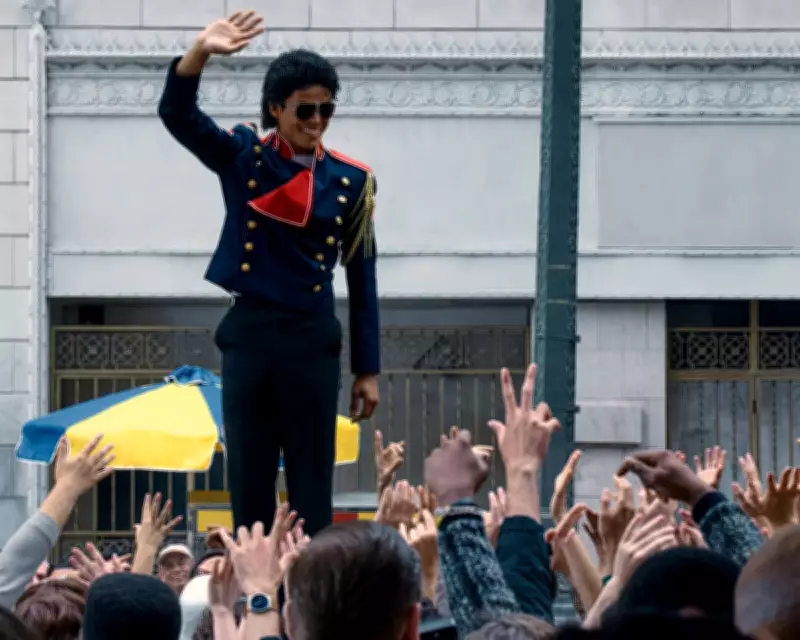
The blockbuster success of the critically panned Michael Jackson biopic 'Michael' underscores a widening gap between critical reception and audience approval, as fans appear willing to embrace a sanitized version of the pop star's life. The film, which has already become one of the highest-grossing musician biopics globally, continues to draw audiences despite widespread derision from reviewers.
A Tale of Two Realities
The movie's existence highlights several stark contrasts. First, there is the disparity between the complexities of Jackson's real life and the estate-approved narrative that omits or glosses over key controversies. Second, the originally planned film covering Jackson's entire life was truncated, ending in 1988 and teasing a sequel, partly due to legal issues surrounding the depiction of a 1993 accuser. The Jackson estate has disputed this account.
Beyond these production issues lies a broader cultural divide: between casual fans who compartmentalize Jackson's later controversies and a dedicated fanbase that vehemently defends his innocence, often dismissing allegations as part of a conspiracy. This hardcore contingent, which the film seems to placate, holds a Trump-like belief in Jackson's full exoneration, despite the nuances of his legal outcomes.

Film's Avoidance of Darkness
The biopic, clearly aimed at the 'Bohemian Rhapsody' audience, avoids addressing the most troubling aspects of Jackson's life. Instead, it packs the narrative with cheerful nods to later developments, such as Neverland Ranch, which figures heavily in abuse allegations. The film portrays Jackson as a pure, soft-spoken figure yearning for a lost childhood, with no hint of darkness or complexity. This credulous reading of Jackson's innocence either represents cowardly avoidance or a bizarre form of daring, akin to rightwing-coded movies that use dog whistles to signal to certain audiences.
The Jackson estate's involvement in the production, typical for biopics, ensures control over music rights and narrative. Fans increasingly prefer virtual resurrections of artists over nuanced portrayals, as seen with the success of 'Bohemian Rhapsody' and now 'Michael'. The film's ending, which promises a sequel that would address less triumphant moments, perversely celebrates Jackson's martyrdom, signaling a victory for his most fanatical followers.
Ultimately, the film's mistake lies in constructing neatly organized 'sides' regarding Jackson's legacy, which will never be fully settled. By avoiding the messiness of real life, 'Michael' fails to present its subject as a complicated human, opting instead for a saintly figure. This approach not only sidesteps controversy but also denies the very humanity that makes artists relatable.