The Incredible Life of the 'Bird Man' Refugee Who Brought Birdsong to British Radio
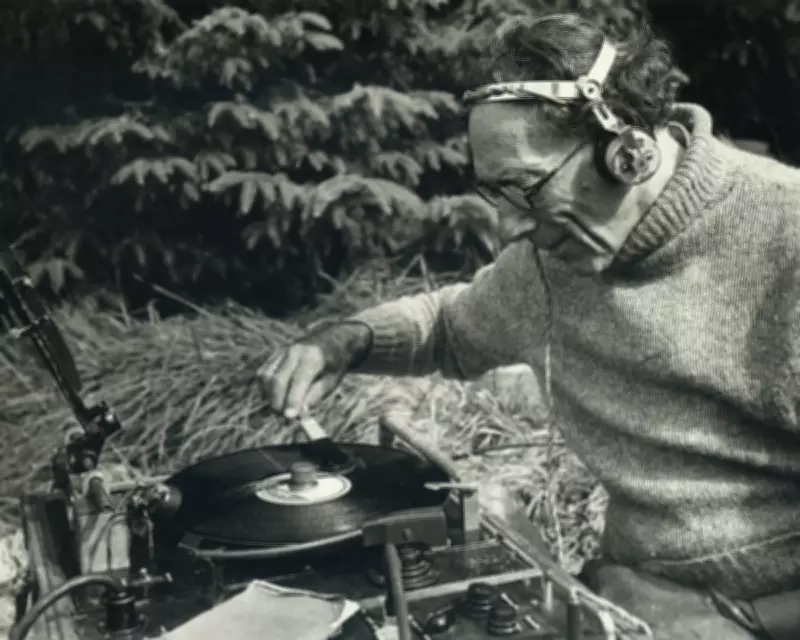
Behind the scenes, there were lengthy struggles to be taken seriously in Britain for sound recordist Ludwig Koch. In his lifetime, this pioneering German naturalist's heavily accented voice was as familiar to British audiences as David Attenborough's is today. His tireless passion for capturing birdsong and bringing it first into German and, after his exile from Nazi Germany, British homes via sound books and BBC radio, made him a household name from the late 1930s onwards.
A Legacy Celebrated and Parodied
He was celebrated beyond his life, parodied by Peter Sellers, who played Koch observing life at a Glasgow traffic junction, and immortalised in Penelope Fitzgerald's 1980 novel Human Voices, about the wartime BBC. The book depicts Koch's assiduous approach to capturing natural sounds and indirectly highlights how the organisation benefited from new voices like his. Yet to his film-maker granddaughter Anthea Kennedy, Koch was a somewhat aloof presence. "I don't remember ever having a conversation with him," Kennedy says. Instead, he preferred singing to her, vividly daydreaming of the brief career as a tenor opera singer he had to give up in Germany because of the first world war.
A Granddaughter's Tribute Through Film
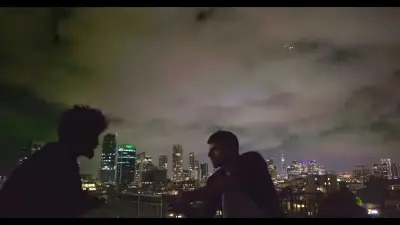
Given their distant relationship, it's all the more surprising that Kennedy, with fellow film-maker and partner Ian Wiblin, has created a loving tribute to Koch. Their film, Alarm Notes, interlaces images and sounds from modern Berlin and other places he visited as a naturalist with many of Koch's own recordings. These range from the warm whistle of the golden oriole in Spandau to sneezing seals on Skomer island and his personal performances of Schubert lieder in old age. It's a haunting and jarring intertwining of past and present, acting like the dialogue between granddaughter and grandfather that didn't happen in life. "I wanted to explore what had really happened to him in Berlin," Kennedy says. "Neither he nor my grandmother ever talked to a soul about anything in their past."

Thriving Career and Nazi Persecution
Before the Nazi takeover, Koch enjoyed a thriving career as head of the culture department at one of Germany's leading record companies, Carl Lindström. He made bestselling sound books of birds and the natural world, as well as urban landscapes. As part of this, he turned the idea of going on location into a professional craft, sometimes trailing cables for miles through undergrowth in the dead of night to obtain closeup sounds. His 1889 recording of his pet shama bird, made in his animal-filled childhood home in Frankfurt when he was just eight years old, is believed to be the very first recording of a bird. Kennedy recounts how Koch and his wife, Nelly, became entangled in the Gestapo investigation into the Reichstag fire of 1933, which the Nazis used as a pretext to turn Germany into a dictatorship.
Suicide Attempt and Escape
The Kochs had unwittingly rented a room in their Berlin house to one of the accused arson attack plotters, known to them as Dr Steiner but actually Georgi Dimitrov, the communist revolutionary who later became Bulgaria's first communist leader. After Dimitrov's arrest, they were also taken for interrogation by the secret police. Suspecting further arrest, they wrote suicide notes, took barbiturates, and turned on the gas taps in their kitchen before being discovered by their maid and resuscitated. Their attempt to take their own lives was mentioned at Dimitrov's trial at Germany's highest court in Leipzig, prompting the Bulgarian to apologise. Kennedy pieced together the story from archive documents and Dimitrov's diaries. As far as she knows, her grandparents never mentioned their suicide attempt and spoke very little of their time under Nazi oppression.

Exile and BBC Success
While his "non-Aryan" identity had excluded Koch from the Reich Association for the Protection of Birds, the Nazis initially ignored his Jewish heritage because they valued his skills as a sound recordist. In August 1933, he even suggested making a sound book of the armed forces for propaganda purposes, entitled Im Gleichen Schritt und Tritt (Stepping and Striding Together), a frightening but impressive audio collection. Yet on a work trip to Switzerland in January 1936, after the assassination of the Nazi who had accompanied Koch to monitor him, he was warned by a Swiss government official that his life was in danger. "The air in Switzerland is better than in Germany," he was told. Fleeing to Britain, he found refuge among fellow naturalists and bio-acoustic enthusiasts and became a darling of radio listeners, particularly as a regular on the BBC's Children's Hour.
Personal Memories and Changed Perspectives
Koch, who died aged 92 in 1974, did not take Kennedy on any of his recording odysseys. The only brush she recalls with her grandpa in his guise as the "bird man" was a "quite creepy" trip to London zoo when she was seven years old. Behind the scenes, they were shown myna birds, which can imitate human speech and were banned from public display because of their inclination to pick up swear words. She recoils as she describes being made to go into a bird cage alone, with other children looking on, as a toucan rolled a grape down its beak into her mouth and then took it out again. Yet making Alarm Notes has changed her view of her grandfather. Reading his letters held in the broadcaster's archives, she recognised his lengthy struggles to be taken seriously by his British colleagues and to make a living. "I can't help but think they made a caricature out of him, but that he decided, OK, I'll fit into that, if that's what it takes," she says. "It's made me understand his suffering, and how incredibly difficult his life was. I admire his patience and desire, and it's made me finally like listening to birds." Alarm Notes is at the Open City Documentary festival at the BFI South Bank, London, on 16 April, and at the Close-Up Film Centre, London, in May.