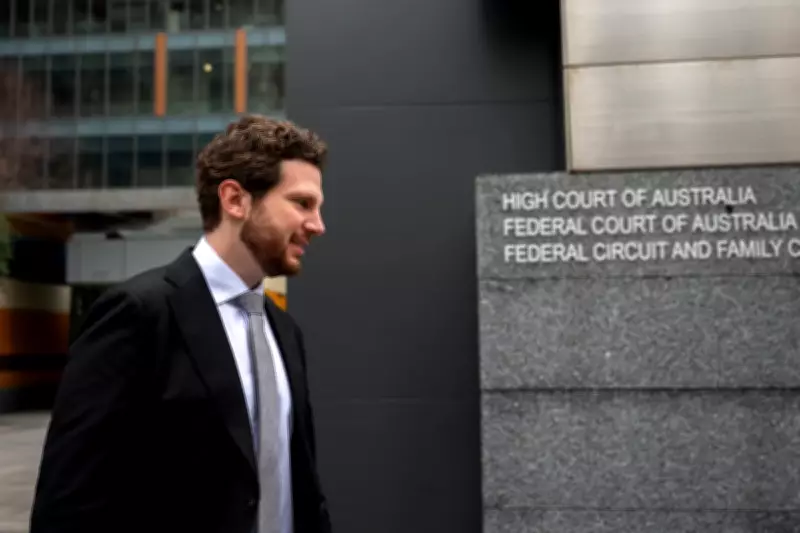
Renowned pianist Jayson Gillham has publicly criticized the Melbourne Symphony Orchestra (MSO) following an executive's comment about his involvement in a Gaza trial. Gillham described the situation as a 'crappy' ordeal, highlighting the tension between artistic expression and institutional oversight.
Background of the Controversy
The controversy began when Gillham participated in a trial related to the Gaza conflict, which led to an MSO executive making a public comment that the pianist found disparaging. Gillham, known for his powerful performances and advocacy, felt that the comment undermined his artistic integrity and personal beliefs.
Gillham's Response
In a statement, Gillham expressed disappointment, stating, 'It's a crappy situation to be in, especially when you expect support from your collaborators.' He emphasized that his involvement in the trial was a matter of conscience and not a political statement. The pianist also noted that the MSO's comment could have lasting effects on his career and public perception.

Impact on the Music Community
The incident has sparked debate within the classical music world about the role of artists in social and political issues. Some have rallied behind Gillham, arguing that musicians should be free to engage with global events without fear of institutional backlash. Others have called for clearer guidelines on how orchestras handle such situations.
MSO's Position
The MSO has not issued an official apology but has stated that it respects the individual views of its artists. However, the executive's comment has raised questions about the orchestra's commitment to artistic freedom. Gillham has called for a more transparent dialogue between musicians and management to prevent similar incidents in the future.
Looking Ahead
As the story develops, Gillham continues to perform and advocate for causes he believes in. He hopes that this experience will lead to greater understanding and support for artists navigating complex global issues. The MSO has yet to announce any changes in its policies, but the incident has prompted discussions about the boundaries of institutional commentary.