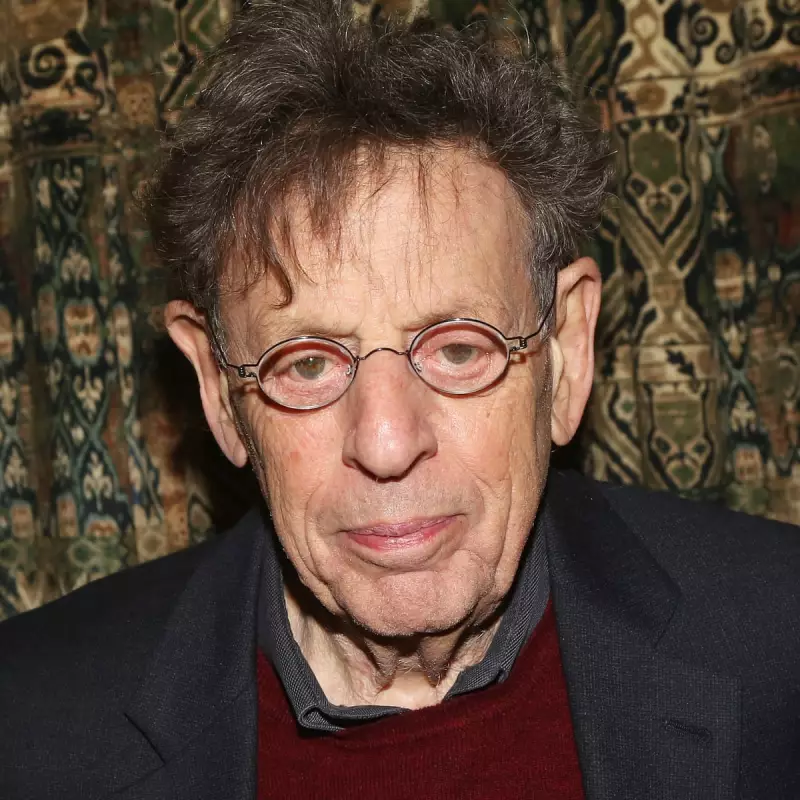
In a significant artistic protest, the renowned American composer Philip Glass has withdrawn the world premiere of his latest symphony from Washington DC's John F. Kennedy Center for the Performing Arts. The decision comes as a direct response to the cultural and political shifts at the institution under the influence of former President Donald Trump.
A Symphony Withdrawn Over Values Conflict
The 88-year-old composer, who received the Kennedy Center Honors in 2018, announced his decision in a statement on Tuesday. Glass explained that his Symphony No. 15, titled 'Lincoln' and intended as a portrait of Abraham Lincoln, could not be presented at a venue whose current values he sees as incompatible with the work's message.
"After thoughtful consideration, I have decided to withdraw my Symphony No. 15 'Lincoln' from the John F. Kennedy Center for the Performing Arts," Glass stated. "Symphony No. 15 is a portrait of Abraham Lincoln, and the values of the Kennedy Center today are in direct conflict with the message of the symphony. Therefore, I feel an obligation to withdraw this symphony premiere from the Kennedy Center under its current leadership."
Broader Turmoil at the Kennedy Center
Glass's withdrawal occurs against a backdrop of substantial upheaval at the Kennedy Center following leadership changes initiated by Trump after his second presidency began in early 2025. The former president installed a new board of trustees and pursued controversial alterations to the institution's identity and mission.
In December, Trump controversially renamed the world-renowned venue to the "Trump-Kennedy Center." This change coincided with numerous cancellations from musical artists who have publicly opposed the administration's policies. The scheduled premiere of Glass's symphony was set for 12 and 13 June, but will now not proceed at the center.
Political Criticism and Institutional Concerns
Critics argue that the Trump administration's focus on what it labels "woke" or overly leftist culture has politicised the arts and alienated performers. Rhode Island US senator Sheldon Whitehouse, an ex officio member of the Kennedy Center governing board, expressed strong concerns about the direction of the institution.
"When the brigands took the ship, their first instinct was to loot it for their own benefit and hire their friends," Whitehouse told the Guardian, highlighting the perceived mismanagement and politicisation of the cultural landmark.
Context of Wider Political Tensions
The Trump administration has faced significant public backlash in January over federal agents fatally shooting US citizens Renee Nicole Good and Alex Pretti in Minneapolis during a mass deportation campaign. This incident has further intensified scrutiny of the administration's policies and their impact on various sectors, including the arts.
The Guardian has contacted the Kennedy Center for comment regarding Glass's withdrawal and the broader issues at the institution. The move by Glass represents a notable stand by a leading cultural figure against perceived political interference in the arts, underscoring the deepening divisions in American cultural and political life.