Imagine a world where Freddie Mercury never fronted Queen, or where The Clash featured Morrissey's distinctive vocals instead of Joe Strummer's. These aren't just fanciful ideas - they genuinely nearly happened, according to music history's most intriguing 'what if' stories.
The Butterfly Effect in Music History
The concept of the butterfly effect - where small changes create dramatically different outcomes - applies perfectly to music. What if certain artists had accepted offers to join bands that would later become legendary? The entire landscape of popular music might look completely different today.
We've uncovered six remarkable instances where famous musicians nearly joined equally famous bands, examining how these near-misses shaped the music we know and love.

Midge Ure's Queen Opportunity
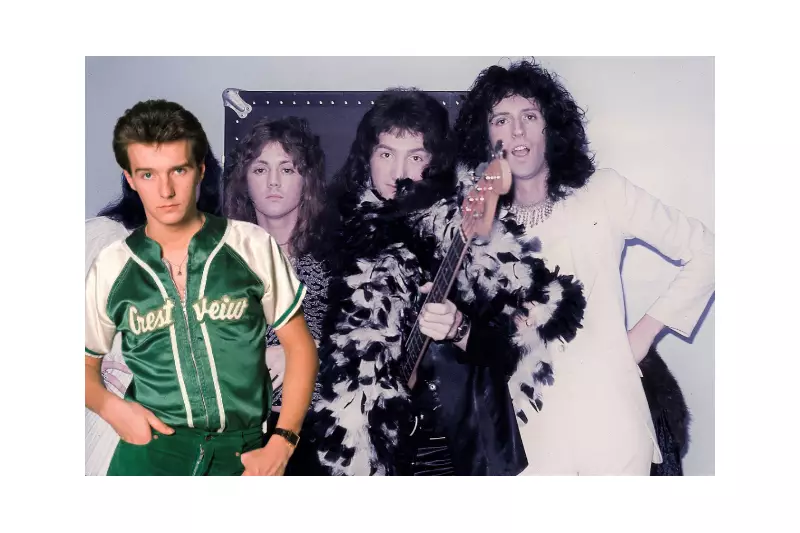
Before Freddie Mercury became Queen's iconic frontman, the band considered Midge Ure as their lead vocalist. The future Ultravox star confirmed in multiple interviews and his autobiography that Brian May and Roger Taylor approached him in the early 1970s, before Queen had fully established their sound with Mercury.
Ure revealed he turned down the opportunity because he couldn't imagine singing someone else's material. Had he accepted, Queen might have developed a softer, more electronic sound similar to Ultravox's synth-rock style. Fortunately for music history, both acts achieved massive success following their separate paths.
Morrissey and The Clash Connection
Long before forming The Smiths, Morrissey nearly became the frontman for a punk band that would evolve into The Clash. In his 2013 autobiography, the singer detailed how he responded to a 'singer wanted' advertisement placed by guitarist Mick Jones in 1976.
The two musicians met to discuss Morrissey joining Jones's band, London S.S., but the role ultimately went to Joe Strummer. This decision led to The Clash's formation while Morrissey briefly joined Manchester punk band The Nosebleeds before returning to music journalism. The combination of The Clash's raw energy with Morrissey's literary lyrics remains one of music's most fascinating missed opportunities.
Courtney Love's Faith No More Stint
Most music fans would be surprised to learn that Courtney Love actually served as Faith No More's frontwoman for six months in 1984. Then known as Courtney Henley while dating keyboardist Roddy Bottum, Love joined an early incarnation of the band.
Band members later described her as an "awesome" performer but noted she was "too aggressive" and wanted to be a "dictator." After being fired, Love admitted this rejection fuelled her ambition to form her own band. She eventually created Hole in 1989, which became one of the most significant female-fronted bands of the 1990s. Without this dismissal, her landmark album 'Live Through This' might never have existed.
Genesis Nearly Chose Mick Hucknall
When Phil Collins left Genesis in 1996, the band faced their second major lineup change after Peter Gabriel's earlier departure. Their shortlist of potential replacements included Simply Red's Mick Hucknall as a serious contender.
Band members Tony Banks and Mike Rutherford have confirmed in interviews that Hucknall was favoured due to his commercial appeal and distinctive blue-eyed soul voice. Ultimately, Genesis selected Ray Wilson instead, while Hucknall continued his successful career with Simply Red. Hucknall's soulful vocals would likely have pushed Genesis toward a more R&B-influenced sound, potentially alienating their progressive rock fanbase.
Metallica's Unlikely Candidate
Following bassist Cliff Burton's tragic death in 1986, Metallica auditioned several musicians to fill the void. Among them was Les Claypool, who would later achieve fame with Primus.

Claypool recalled arriving for his audition with a bleach-blond mohawk, baggy skater pants, and mismatched tennis shoes. His joke about jamming on an Isley Brothers tune reportedly fell flat with the band. James Hetfield later claimed they rejected Claypool because he was "too good" and should "do his own thing," though Claypool believes they simply thought he was "a freak" who didn't fit their image. This rejection led Claypool to form Primus, pioneers of funk metal and creators of South Park's theme music.
The Spice Girl That Never Was
Before becoming the iconic five-piece we know today, the Spice Girls underwent several lineup changes during their early development. Lianne Morgan originally joined the group - then called Touch - alongside Victoria Adams, Melanie Brown, Geri Halliwell, and Michelle Stephenson.
Morgan moved into the famous shared house in Maidenhead where the Spice Girls developed their 'girl power' ethos. However, after several months of rehearsals, she was cut from the lineup with management claiming she "looked significantly older than the other girls," despite being the same age as Halliwell. Her departure led to Melanie Chisholm (Mel C) joining, and when Stephenson later left, Emma Bunton completed the iconic lineup. Morgan described the experience as "like winning a lottery ticket and then having it taken away from me."
How Music History Nearly Changed
These six examples demonstrate how fragile music history can be. A single different decision could have altered the careers of multiple artists and changed the sound of entire musical movements. From Queen potentially becoming a synth-rock band to The Clash featuring Morrissey's distinctive vocals, these near-misses remind us that musical legends weren't always destined for greatness - they were shaped by crucial decisions and fortunate timing.
What other musical masterpieces might we have missed if these artists had taken different paths? The answer remains one of music's most enduring mysteries.