Chuck Negron, Three Dog Night Vocalist with Four-Octave Range, Dies at 83
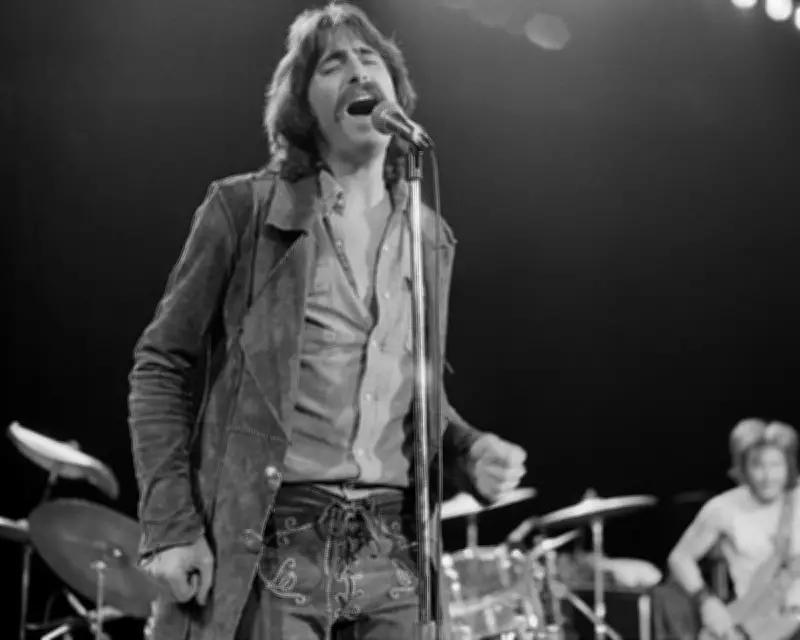
Chuck Negron, the legendary singer whose powerful voice and four-octave range propelled the pop-rock group Three Dog Night to massive success in the early 1970s, has died at the age of 83. Negron passed away after suffering from chronic obstructive pulmonary disease (COPD) and heart failure, leaving behind a legacy of iconic hits and a tumultuous personal journey marked by addiction and recovery.
The Voice Behind the Hits
As a founder member of Three Dog Night, Negron was a crucial component of the band's sound, alongside fellow vocalists Danny Hutton and Cory Wells. The group divided songs between the three leads, but it was Negron's distinctive voice that took center stage on many of their biggest hits. His performances on tracks like One, Easy to Be Hard, Old Fashioned Love Song, The Show Must Go On, and the exuberant Joy to the World became defining moments in pop-rock history.
Joy to the World, written by Hoyt Axton, perfectly showcased the group's strengths with its thunderous R&B beat, pounding electric piano, and raging guitar. Negron sang the lead with gleeful abandon, turning baffling opening lines about a bullfrog named Jeremiah into a chart-topping phenomenon in 1971. The song later featured in films like The Big Chill and Forrest Gump, cementing its place in popular culture.

Unprecedented Success and Hidden Struggles
During their peak years, Three Dog Night achieved remarkable commercial success, selling more records and concert tickets than any other artists in America. They scored 21 consecutive US Top 40 hits, including three number ones, and all eight albums released between 1968 and 1974 reached the Top 30 in the States, with three entering the Top 10. In Britain, they enjoyed two Top 30 hits: Joy to the World (reaching No. 24) and their version of Randy Newman's Mama Told Me Not to Come (a UK No. 3 and US No. 1 in 1970).
However, behind this steady cascade of hits, trouble was brewing. Even while outselling top acts like the Rolling Stones or Creedence Clearwater Revival, Negron's worsening drug habit was driving the band apart. He had already been using drugs when the band began, but the pressures of their intense touring and recording schedule exacerbated the problem. He later recalled how "we were doing cocaine, then downers to sleep," describing a cycle that would eventually lead to a crippling heroin addiction.
A Turbulent Personal Journey
The group split in 1976, largely due to Negron's addiction issues. He later revealed that he had spent "my entire fortune, millions of dollars" on drugs, with his habit costing up to $3,000 a day. For a time, he was homeless and living in Los Angeles' notorious Skid Row district. After managing to recover sufficiently to join a band reunion in 1982, a drugs relapse three years later prompted his permanent departure from the group.
Born in New York to a Puerto Rican nightclub performer father and his wife Elizabeth, Negron faced challenges from an early age. His parents divorced when he was five, and he and his twin sister Nancy spent two years in the Woodycrest orphanage while their mother struggled to work and raise them. The family later lived together in an apartment in the Bronx.
Negron suffered from dyslexia and attended the Yoder reading school in Manhattan to improve his reading abilities. He went on to William Howard Taft high school in the Bronx, where his 6ft 1in frame and precocious basketball talent won him an athletic scholarship to Allan Hancock College in California, later transferring to California State College in LA.
Musical Beginnings and Band Formation
While pursuing basketball, Negron had been dipping into music, releasing local singles under the name Chuck Rondell and signing a deal with Columbia Records. He first met Danny Hutton at a party for folk-pop singer Donovan, where he began experimenting with drugs that would later plague his life. "I went from being a guy who never did anything to getting high with them," he recalled, "and then I just liked it so much I never stopped."

He subsequently formed Redwood with Hutton and Cory Wells, later renamed Three Dog Night. The band name, suggested by Hutton's girlfriend June Fairchild, referred to Indigenous Australians' habit of judging temperature by how many dogs they needed to sleep with to keep warm—a "three dog night" being particularly cold.
As Redwood, they recorded demos of two Brian Wilson songs produced by the Beach Boy himself, though the project never progressed further. Signed to Dunhill Records, they recorded their debut album Three Dog Night (1968), featuring the opening track One—a Harry Nilsson song sung with anguished expressiveness by Negron that became their first million-selling single and reached No. 5 on the charts.
Band Philosophy and Later Career
The band's concept, devised by Hutton, involved the three singers sharing lead vocals to focus on musical quality rather than individual egos. They also prioritized finding quality material from top songwriters, showcasing work by Laura Nyro, Elton John, Joni Mitchell, Lennon & McCartney, Stevie Wonder, and Sam Cooke, rather than relying on their own writing.
After countless visits to rehab, Negron was finally free from his addiction in 1991. With his bandmates unsympathetic to further reunions, he launched a solo career, releasing seven studio and live albums between 1995 and 2017. In 1999, he published the autobiography Three Dog Nightmare, detailing his struggles with addiction.
He continued performing live, including shows with the Happy Together package tour of 60s veterans, but was forced to quit touring by the COVID-19 pandemic. His chronic COPD condition—which had already prompted him to use special glasses that fed him oxygen through tubes during performances—made touring potentially fatal.
Personal Life and Legacy
Negron's personal life included three marriages that ended in divorce before he married his fourth wife, Ami Albea, in 2020. He is survived by Albea; his children Shaunti, Charles, Charlotte, and Annabelle; and nine grandchildren.
Chuck Negron's journey—from the heights of musical success with Three Dog Night to the depths of addiction and homelessness, followed by recovery and a solo career—leaves behind a complex legacy. His powerful four-octave voice, unmistakable visual trademark of a luxuriant moustache, and contributions to some of pop-rock's most enduring hits ensure his place in music history, even as his personal struggles serve as a cautionary tale about the pressures of fame.