Brute 1976, a new slasher film set during the American bicentennial, attempts to blend progressive commentary with classic exploitation horror. However, despite its ambitions, the film largely succumbs to familiar tropes and messy carnage.
A Throwback to the 1970s
The film opens with a prologue featuring a chainsaw-wielding maniac, immediately signaling its debt to Tobe Hooper's The Texas Chain Saw Massacre. Director Marcel Walz clearly aims to homage the gritty, exploitative style of 1970s horror, but the result is a mixed bag.
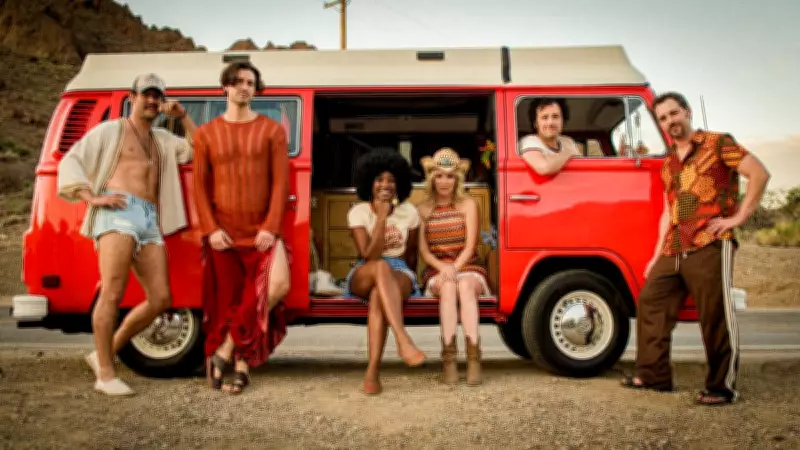
The story follows a fashion crew on a location shoot in the desert. Sunshine (Sarah French), a makeup artist, steps in as a model after the first choice, Raquel (Gigi Gustin), disappears while exploring tunnels. The group, including photographer Jordy (Adam Bucci), driver Charlie (Robert Felsted Jr.), and model Roxy (Adriane McLean), stumbles upon the wreckage-strewn town of Savage. Despite warnings from local Mama Birdy (Dazelle Yvette) about the town's violent history, they ignore the signs.

Diversity and Subversion
Brute 1976 earns points for diversity, featuring a blaxploitation-styled hero and queer characters. However, the subversive elements quickly run dry. Intercutting the photoshoot with scenes of inbreds playing with intestines is hardly subtle satire. The gender-fluid villain, who collects body parts, evokes uncomfortable comparisons to Buffalo Bill from The Silence of the Lambs, especially given actor Ted Levine's recent regrets about that role.
Carnage Over Coherence
The film prioritizes gore over logic. The kills are staged awkwardly in a messy abattoir, and characters make illogical, self-sacrificing choices. The props and costumes look too new or hokey, with masked yokels resembling a Wiccan wrestling team. Camp dialogue further undermines any tension.
Political critique comes across as accidental backspatter rather than intentional statement. However, a scene where a power drill is used on a man exposing himself through a glory hole does take a jab at patriarchy.
Overall, Brute 1976 is a disappointing throwback that fails to deliver on its progressive promise. It is available on digital platforms from May 3.