The Sweaty, Singular Indie Music Scene of Early-2000s Brighton
Picture any given night in 2002. The Free Butt in Brighton hums with energy—a small pub with a stage that served as both extended living room and rite-of-passage workplace for aspiring musicians. Natasha Khan, still a Brighton University art student before becoming Bat for Lashes, dances on the bar while Yeah Yeah Yeahs tear through their first UK tour. Guy McKnight, lead singer of the brutally underrated Eighties Matchbox B-Line Disaster, has just finished pulling pints—his day job when not being the city's greatest frontman.
Steve Ansell of Cat on Form, soon to form Blood Red Shoes, works as the in-house sound engineer. Joe Mount from Metronomy watches the week's buzziest local support band. The atmosphere crackles with possibility—the feeling that anyone in the room might become known beyond the city's limits. Often, they did.
A Scene Without a Single Sound
While early 2000s music scenes typically had shared silhouettes and signature sounds—New York City's tight black denim and wiry riffs, London's Libertines-era sticky churn of style and press—Brighton was rarely described as a cohesive scene. Despite being home to Nick Cave and Paul McCartney, and hothousing remarkable young talent still thriving two decades later, this seaside enclave's rock bands sounded and looked so unlike each other they never needed to jostle for a single narrow lane.

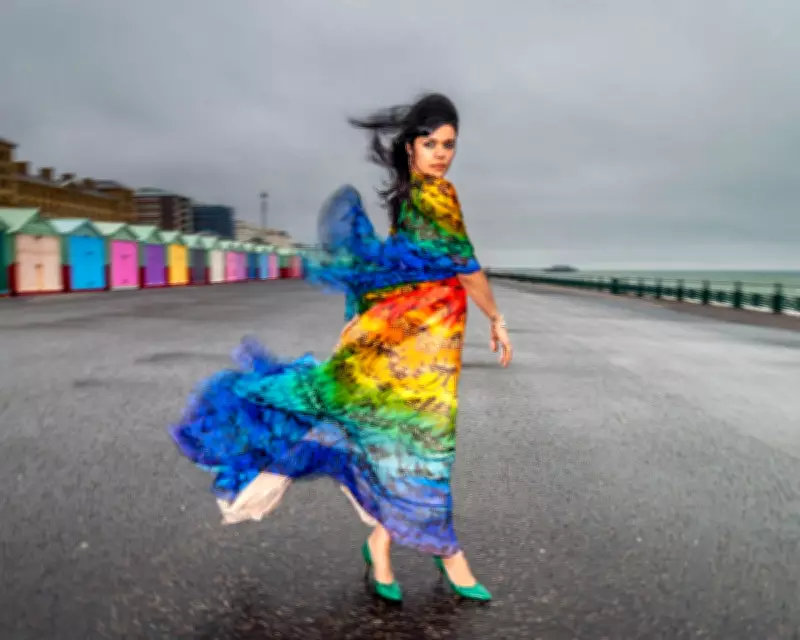
"Culturally, Brighton had this massive injection of talent, which was really alchemising during the early 2000s," says Natasha Khan over tea in her newly adopted home town of Lewes. "You could feel it bubbling away."
From Big Beat to Grassroots Rock
Through the 1990s, Brighton had been defined by the big beat explosion centered on Fatboy Slim and Skint Records—a genuine moment that had run its course by the early 2000s. Something new was assembling: a grassroots rock and indie energy with little connection to the previous era's DJ culture. Bands emerging from rehearsal rooms and cramped venues had no obvious precedent in the city.
These were also the early days of Sea Power, who moved from Reading to Brighton drawn by "the dilapidated charm and fresh sea air," says singer Jan Scott Wilkinson. The band established Club Sea Power, a ramshackle monthly night promising "memory, myth and malfeasant behaviour" at another flagship independent venue, the Lift. Those chaotic nights teetering on disaster led to the band getting signed to Rough Trade after Geoff Travis caught a show.
A Different Kind of Music Community
The British music industry in the early 2000s remained largely a boys' club, but Brighton felt different. Two of the city's most influential independent promoters—still going strong—were women: Lisa Lout, who has managed the Great Escape festival for two decades, and Anna Moulson of Melting Vinyl, responsible for putting on the Strokes' legendary first UK gig at the Lift in 2001.
My old schoolmate Bobby Barry introduced the three female singers of the Pipettes to each other in the Basketmakers Arms in 2003—a band that clicked into place alongside Electrelane and Bat for Lashes. All were being featured in NME and supporting big-name bands, but weren't cut from the same cloth: Electrelane's moody motorik rock, Bat for Lashes' spellbound pop, the Pipettes' polka-dotted girl-group revival.
"You didn't have to look hard to find alternative culture in Brighton," says Rose Dougall, founding singer of the Pipettes. "It was on every street, from vintage shops and pubs to how people dressed. I was going out to clubs three times a week and there was a strong sense of something to belong to."
The Brighton Difference
Though just 50 miles from London, Brighton's atmosphere couldn't have been more different. "London was really exciting at the time, but it had a darker energy," says Eamon Hamilton, lead singer of Brakes. "Brighton is small enough to walk everywhere, so you'd bump into other musicians constantly. Everyone seemed excited about what everyone else was doing."

The city's energy also manifested in its music journalism. Careless Talk Costs Lives magazine, co-founded in 2002 by Brighton journalist Everett True and photographer Steve Gullick, deliberately focused on elevating female writers and bands when that was still unusual. "Everyone was in the same clubs and rehearsal spaces, breathing that fresh sea air," says Gullick.
The End of an Era and Lasting Legacy
The Brighton captured here is now gone. As rents rose through the 2010s, the cheap flats, loss-absorbing venues, and affordable rehearsal rooms that enabled artists to be broke and brilliant in the same city steadily disappeared. The Free Butt closed, as did many independent record stores that were lifebloods of inspiration.
Yet Brighton's network of venues, clubs, and surviving record stores continued creating conditions for the next wave of artists like the Kooks, Dream Wife, Gazelle Twin, Rizzle Kicks, and Memorials. If scenes are built on sameness, Brighton draws strength from difference—never bottling a defining sound, but fostering something more unwieldy where daring venues, salty sea air, and wildly dissimilar bands enable artists to become fully, fearlessly themselves.