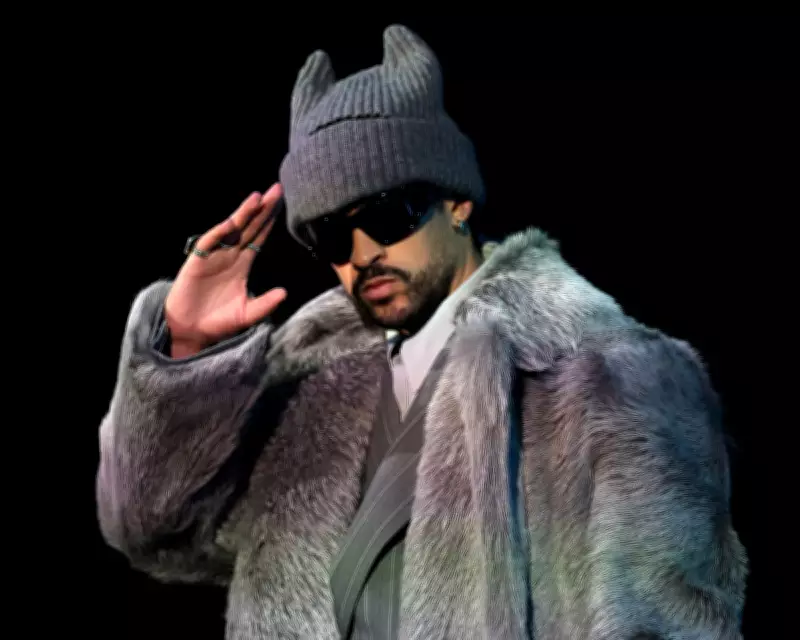
Bad Bunny Ignites Latin Identity Movement in Brazil, Selling Out Stadiums
Puerto Rican global phenomenon Bad Bunny has achieved what few Spanish-speaking artists have managed in history: he has captivated Brazil's massive Portuguese-speaking market while simultaneously stirring a profound sense of Latin American identity among his Brazilian fans. The artist, whose real name is Benito Antonio Martínez Ocasio, is performing two consecutive sold-out shows at a São Paulo football stadium this weekend, with over 40,000 attendees expected each night.
Breaking Historical Language Barriers
Brazil stands as a unique case in Latin America as the only country in the region where Portuguese rather than Spanish dominates. This linguistic difference has historically created a cultural barrier that prevented most Spanish-speaking artists from achieving mainstream success in Brazil. Notable exceptions like Ricky Martin and Shakira paved the way, but Bad Bunny's breakthrough represents something fundamentally different according to cultural observers.
"Unlike the more commercial appeal of artists like Shakira, Bad Bunny broke through in Brazil in a different way, aligned with a more anti-American agenda of emancipation," explained Thiago Soares, who coordinates a research group on Music and Pop Culture at the Federal University of Pernambuco.
Super Bowl Performance as Cultural Catalyst
Bad Bunny's controversial Super Bowl halftime show earlier this month served as a powerful catalyst for this cultural movement. While drawing criticism from the U.S. president, the performance sparked widespread admiration throughout Latin America, particularly in Brazil. Social media platforms in Brazil flooded with declarations of Latin belonging following the show, with one leftwing congresswoman even introducing legislation to grant Bad Bunny honorary citizenship.
During his Super Bowl performance, Bad Bunny delivered a pointed message that resonated deeply with Brazilian audiences. After saying "God bless America," he proceeded to name nearly every country in Latin America and the Caribbean, including Brazil. This inclusive gesture, combined with symbolic elements like the young boy sleeping across three chairs at a wedding, created powerful identification among Brazilian viewers.
The Rise of Latin Identity in Brazil
A revealing survey published a decade ago highlighted Brazil's distinct self-perception within Latin America. While 43% of neighboring countries' residents identified primarily as "Latin Americans," a striking 79% of Brazilians described themselves first as "Brazilian." Only 4% of Brazilians identified primarily as "Latin American," placing this identity behind even "world citizen" at 13%.
This historical context makes Bad Bunny's impact particularly significant. "Bad Bunny brings a cultural weight, and we end up recognising ourselves in his narrative," said Leandro Rodrigues, 28, one of six volunteer administrators of the fan account Bad Bunny Brasil, who is traveling 1,550 miles from the Amazonian city of Belém to São Paulo for the concerts.
Cultural Shifts and Market Dynamics
The demand for Latin music in Brazil has reached unprecedented levels according to industry insiders. DJ Rafael Takano, who has been hosting Latin music parties in São Paulo since 2016, reported that interest has never been higher than it has been since last year. His party !SÚBETE! now features a carnival street-bloc edition and will host events following Bad Bunny's concerts.
"Especially with his Grammy-winning album, Bad Bunny conveyed a message and an aesthetic that are very universal for Latin America ... and has made it easier for Brazilians to see themselves as Latin," Takano observed.
Political Context and Cultural Resonance
Bad Bunny's outspoken criticism of Donald Trump's anti-immigration policies has found particular resonance in Brazil, where tensions with the United States have escalated in recent years. Trump's tariffs and attempts to interfere in Brazil's judiciary inflamed Brazilian nationalism, creating fertile ground for an artist with anti-establishment credentials.
"When Bad Bunny began to succeed abroad, I doubted he would fill a stadium here. And now he is filling two consecutive nights," admitted Soares, though he noted the artist remains "not yet mainstream" in the traditional sense.
Market Impact and Streaming Trends
Bad Bunny's commercial success in Brazil represents a significant market breakthrough. He became the first non-Brazilian Latin artist to place a solo track in the country's Billboard Hot 100 list—previous Latin artists had only achieved this through collaborations with Brazilian singers.
This achievement is particularly remarkable given Brazil's strong preference for domestic music. In 2025, there were no foreign artists among the ten most-streamed acts on Spotify in Brazil. The language barrier remains substantial, with fewer than 1% of Brazilians estimated to speak Spanish or English fluently. Yet, Bad Bunny has managed to surpass even English-speaking artists in cultural impact.
Cultural Power Shifts
Takano attributes this shift to changing cultural dynamics. "The U.S. culture has always been heavily marketed to us, promoting the so-called American way of life. Now, because of the internet, we have access to other things as well, and we are seeing the emergence of a Latin way of life," he explained.
Bad Bunny himself expressed surprise at his Brazilian success. "It moves me because I recognise that in Brazil people listen more to Brazilian music, and I didn't even do something like collaborate with artists from there," the artist recently said in a joint interview with Vogue and GQ Brasil.
As Bad Bunny prepares for his historic São Paulo performances, his impact extends beyond mere concert attendance. He has become a cultural catalyst, challenging historical divisions and fostering a renewed sense of Latin American identity in Brazil's complex cultural landscape.