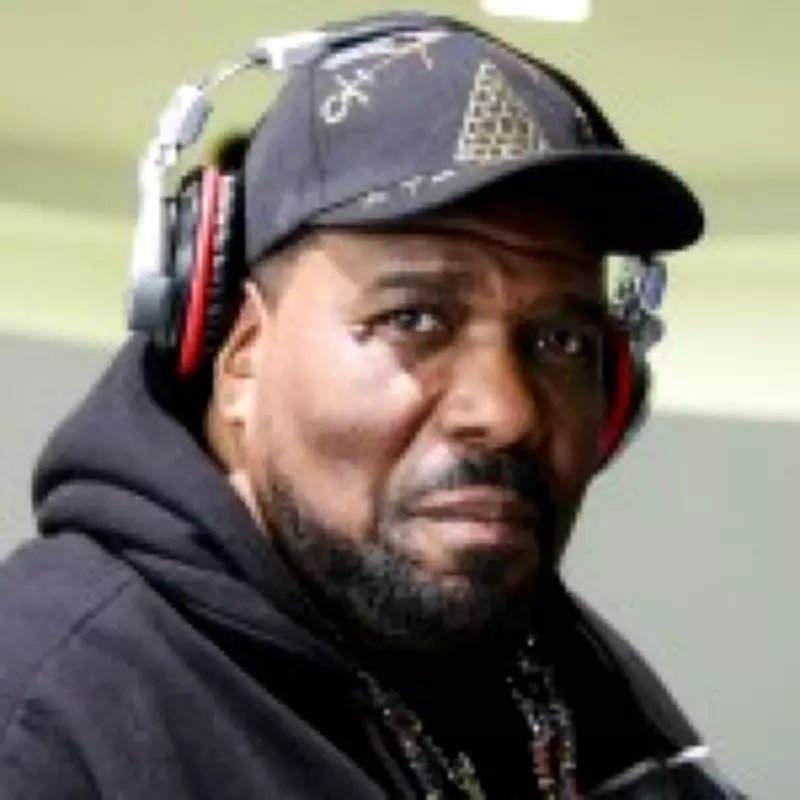
Afrika Bambaataa, Pioneering Hip-Hop Figure, Dies at 68 Amidst Complex Legacy
Afrika Bambaataa, the rapper and DJ widely recognized as a foundational pioneer of the hip-hop musical genre, has died at the age of 68. The news was first reported by TMZ, which indicated that his death resulted from complications related to cancer. The Hip Hop Alliance, led by musician Kurtis Blow, subsequently confirmed his passing in an official statement.
A Legacy of Cultural Influence and Controversy
The Hip Hop Alliance's statement acknowledged Bambaataa's significant contributions to hip-hop, particularly as the founder of the Universal Zulu Nation. The organization described this collective as instrumental in shaping the early identity of hip-hop, promoting it as a global movement grounded in principles of peace, unity, love, and enjoyment. However, the statement also addressed the serious allegations that marred his later years, noting that his legacy is "complex" and has sparked important conversations within the community regarding accountability and truth.
Bambaataa had consistently denied accusations of child sexual abuse and trafficking, which emerged publicly in recent decades. The Hip Hop Alliance emphasized its commitment to upholding hip-hop culture while creating space for diverse voices and protecting community members.

From Bronx Roots to Global Impact
Born Lance Taylor in the Bronx to Jamaican and Barbadian immigrant parents, Bambaataa's early life included involvement with the street gang the Black Spades. A transformative trip to Africa, won through an essay-writing competition, shifted his perspective and inspired him to adopt the name Afrika Bambaataa. He founded the Bronx River Organization as an alternative to gang life and began hosting block parties influenced by hip-hop icons like DJ Kool Herc, aiming to use music to steer youth away from violence.
In the late 1970s, he established the Universal Zulu Nation, a hip-hop collective that became a cultural force. His career breakthrough came with the 1982 track "Planet Rock," which blended electronic sounds with hip-hop rhythms. Bambaataa collaborated with diverse artists, including James Brown and John Lydon of the Sex Pistols, showcasing his innovative approach to music.
His death marks the end of a tumultuous yet influential chapter in music history, leaving behind a legacy that continues to provoke discussion about art, morality, and cultural preservation.