William Eggleston's Final Dye-Transfer Exhibition Opens in New York
A remarkable new exhibition is celebrating the incredible photography of William Eggleston, featuring rare dye-transfer prints that may represent the last of their kind. Titled William Eggleston: The Last Dyes, the show runs through 7 March at the David Zwirner Gallery in New York, bringing together 31 vibrant photographs from the 1970s.
A Glimpse into Eggleston's Iconic America
Winston Eggleston, the photographer's son, recently shared insights into his father's work and legacy. As a child, Winston was only vaguely aware of his father's fame, growing up in an environment where interactions with celebrities like Dennis Hopper and intense photography sessions were part of daily life. "It's all normal to you, because you don't know anything different," Winston recalled, reflecting on his unique upbringing.
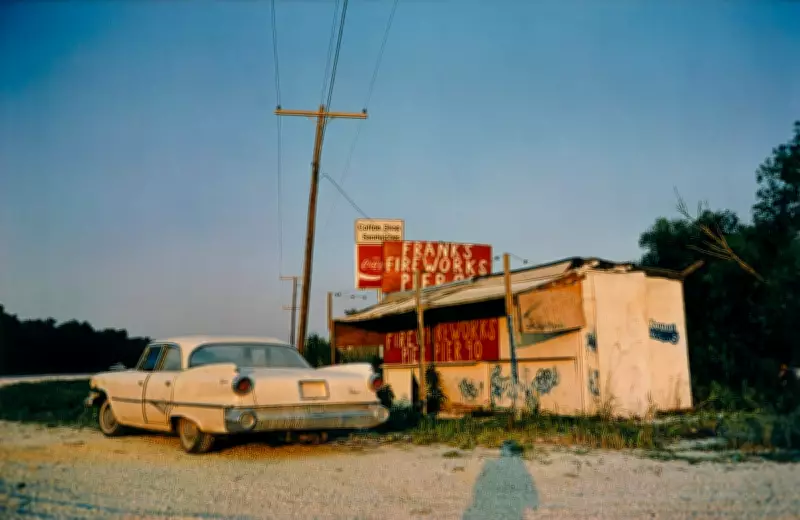
The exhibition focuses on dye-transfer prints, a special technique Eggleston adopted in the 1970s to achieve startling Technicolor effects. At a time when the art world often dismissed color photography as vulgar, Eggleston pioneered its use, capturing everyday scenes with extraordinary vibrancy. When Kodak discontinued dye-transfer products in the 1990s, the Eggleston family began stockpiling materials, leading to this final project of selecting only about 50 photos for printing.
The Technical Marvel of Dye-Transfer Photography
Dye-transfer is an expensive and laborious process, requiring months of work by specialists Guy Stricherz and Irene Malli. Each batch of 10 photos took six to eight months to complete, resulting in images with intense brick reds, indigo blues, and verdant greens that dazzle against gallery walls. One standout photo depicts a dark hallway leading to a bathroom glowing an infernal red, reminiscent of themes in David Lynch's work, with whom Eggleston shared mutual admiration.
The texture in Eggleston's photos is vividly expressed, from dead leaves to the pebbled metal of car interiors. The exhibition includes both well-known works and previously unprinted images, offering a mix of "big hitters" and hidden gems. Winston, now 53, has been instrumental in archiving his father's work, alongside his brother William III, ensuring the preservation of these artistic treasures.
Legacy and Impact of Eggleston's Work
Initially polarizing, Eggleston's 1976 exhibition at the Museum of Modern Art faced criticism for its snapshot-style depictions of mundane subjects like toilets and iced tea. However, time has cemented his reputation as one of America's most important photographers, with retrospectives drawing eager audiences worldwide and his works fetching millions at auction. Eggleston's ability to find beauty in the ordinary—waging "war with the obvious"—has earned him enduring acclaim.
His photos, often untitled and decontextualized, resist interpretation, a stance Eggleston has maintained throughout his career. "Words and pictures are like two different animals," he once told the New York Times. Most of the exhibited photos were taken in Memphis and surrounding southern states during sporadic bursts of creativity, capturing a vanishing America of drive-in theaters and rusted advertisements.
Personal Reflections and Future Prospects
At 86, Eggleston has slowed down due to age and mobility issues, living quietly since the death of his wife Rosa in 2015. Despite this, he remains engaged with his legacy, thrilled about the new exhibition and catalogue. Winston notes that his father has not fully accepted the end of dye-transfer printing, a sentiment echoed in the show's poignant title.
Eggleston's democratic approach to his art is evident in his refusal to favor any photo over another, leaving editing decisions to others. When asked about his favorite work, he humorously suggested throwing them all in the air and grabbing one at random. This exhibition serves as a fitting tribute to a visionary artist whose work continues to inspire and captivate audiences, marking a significant moment in photographic history.