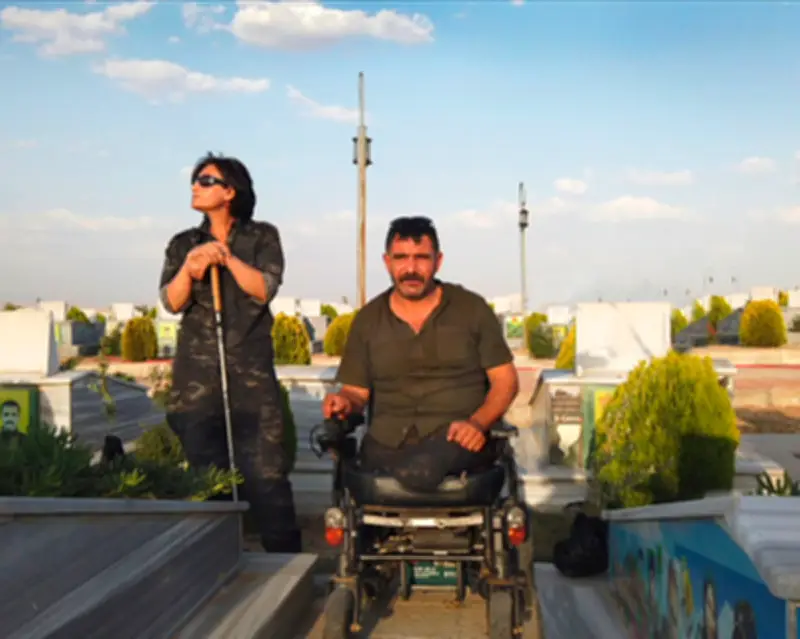
The documentary 'The Phantom Pain of Rojava' offers a powerful account of Kurdish veterans who fought against Islamic State (Isis) in Syria. Directed by Hogir Hirori, the film focuses on the psychological and physical scars of war, highlighting the courage and survival of those who defended the Rojava region.
Veterans' Stories of Courage
The film features interviews with several Kurdish fighters, both men and women, who recount their experiences on the front lines. One veteran describes the constant fear and the bond formed among comrades. 'We fought not just for our land, but for our dignity,' he says. The documentary does not shy away from the brutal reality of combat, showing the aftermath of attacks and the cost of war.
Psychological Impact and Trauma
According to the film, many veterans suffer from post-traumatic stress disorder (PTSD) and what is described as 'phantom pain'—the lingering effects of war. A female fighter notes, 'The war never leaves you. Even in peace, you hear the explosions.' The documentary underscores the lack of mental health support available to these veterans, who often struggle to reintegrate into civilian life.
Resilience and Survival
Despite the trauma, the film emphasizes the resilience of the Kurdish people. Veterans speak of their determination to rebuild their lives and communities. One former fighter states, 'We will not let Isis define us. We will survive and thrive.' The documentary includes scenes of veterans returning to their villages, working the land, and starting families, symbolizing hope amidst devastation.
Critical Reception
'The Phantom Pain of Rojava' has been praised for its intimate and unflinching portrayal of war. Critics have highlighted its humanizing approach, giving voice to those often overlooked. The film is a testament to the strength of the human spirit in the face of unimaginable adversity.