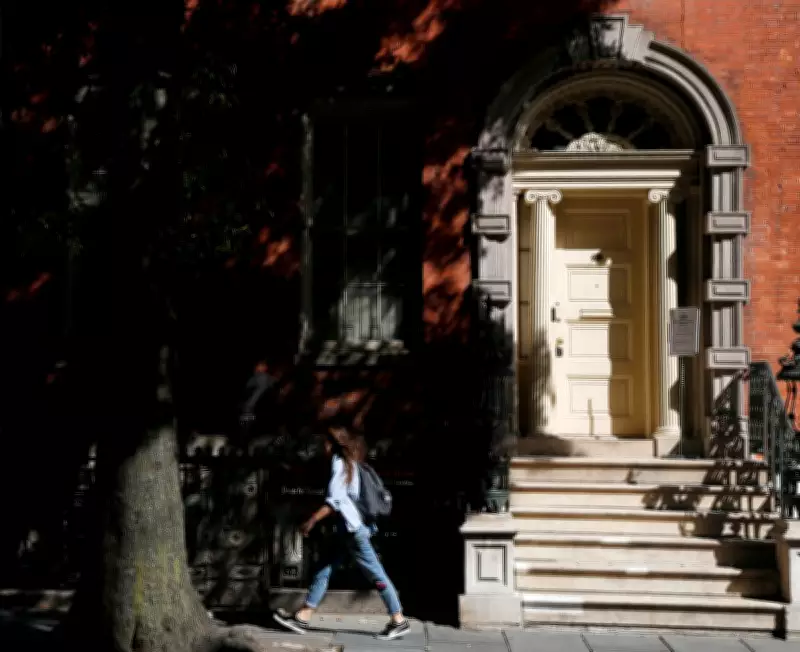
In a remarkable historical revelation, a museum in New York has uncovered a hidden passage that played a crucial role in the Underground Railroad, the clandestine network that aided enslaved African Americans in their quest for freedom during the 19th century. This discovery, announced earlier this week, offers a tangible connection to a pivotal era in American history, providing new insights into the secretive operations that helped thousands escape bondage.
Unearthing a Secret Legacy
The passage, concealed within the museum's basement, was identified during routine renovations. Museum officials described it as a narrow, dimly lit corridor that likely served as a temporary refuge for freedom seekers on their perilous journey northward. This find underscores the ingenuity and bravery of those involved in the Underground Railroad, which operated from the late 18th century until the Civil War, using a system of safe houses and routes to evade capture.
Historical Significance and Context
The Underground Railroad was not an actual railroad but a metaphorical term for a complex network of abolitionists, sympathizers, and hiding spots. This newly discovered passage in New York adds to a growing body of evidence about how these routes were meticulously planned and executed. Experts believe it may have been part of a larger network in the region, highlighting New York's role as a key hub in the freedom movement, despite its own history of slavery until 1827.
Archaeologists and historians are now conducting detailed analyses of the site, examining artifacts and structural features to date the passage and understand its specific use. Preliminary findings suggest it was active in the mid-1800s, coinciding with peak periods of Underground Railroad activity. The museum plans to preserve the passage as an educational exhibit, allowing visitors to walk through history and reflect on the struggles for liberty and justice.
Implications for Modern Understanding
This discovery is more than just an archaeological curiosity; it serves as a powerful reminder of the resilience and determination of those who fought against oppression. By bringing this hidden chapter to light, the museum aims to foster greater awareness and dialogue about America's complex past, including the ongoing impacts of slavery and racial inequality. The passage's unveiling has already sparked interest among scholars and the public, prompting calls for further research into similar sites across the country.
In an era where historical narratives are continually being reevaluated, such finds emphasize the importance of preserving and studying physical remnants of the past. They offer a direct link to stories that might otherwise be forgotten, enriching our collective memory and understanding of human rights movements. The museum's efforts to integrate this discovery into its exhibits are expected to draw increased visitation and educational engagement, reinforcing its role as a cultural and historical institution.
Overall, the uncovering of this Underground Railroad passage in New York marks a significant milestone in historical preservation. It not only honors the legacy of those who risked everything for freedom but also inspires contemporary reflections on justice and equality. As investigations continue, this hidden corridor promises to reveal even more about the courageous individuals and networks that shaped American history.