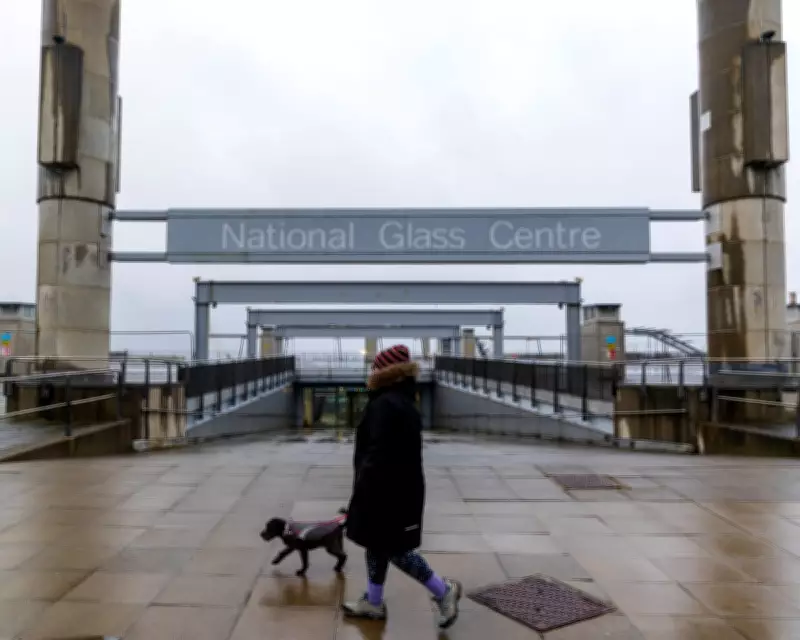
Sunderland's National Glass Centre Faces Demolition Amid £45m Repair Dispute
The National Glass Centre, a cultural landmark that opened in 1996 along the River Wear in Sunderland, now faces potential demolition. The University of Sunderland, which holds custodianship of the building, claims renovation costs could reach £45 million, making demolition the only viable option. The centre is scheduled to close to the public in July, sparking widespread controversy and political tension.
Historical Significance and Current Crisis
Sunderland's glassmaking heritage dates back to the seventh century, beginning at a monastery run by Saint Benedict Biscop. This legacy was honored with the opening of the National Glass Centre, an impressive structure of concrete and glass that has attracted visitors nationwide. However, the university argues that maintaining the building is financially unsustainable, citing repair estimates between £14 million and £45 million.
Campaigners from the Save the National Glass Centre movement accuse the university of deliberately running down the facility since 2018. They view the proposed closure as a symbol of surrender to urban decline. The dispute has become a political flashpoint, with support coming from unexpected quarters including the Liberal Democrats and far-right groups.
Community Outcry and Alternative Proposals
On a typical weekday morning, the centre remains bustling with activity—visitors pack glass-blowing demonstrations, the cafe operates at full capacity, and artists continue their work in studios. Glass artist Carolyn Basing, who studied at the university, observed a marked decline since 2018, suggesting deliberate neglect by the institution.
Brian Jones, a 70-year-old glass artist who began his career as an apprentice at the Pyrex factory, moved to the centre when it opened. "The different things we've made here, it's been unbelievable," he said, expressing disbelief at the demolition plans. His work, including glass figurines of the Angel of the North, now appears in galleries nationwide.
Campaigners have prepared alternative renovation proposals challenging the university's figures. Roger Clubley, a chartered town planner involved in the centre's establishment, dismissed the £45 million estimate as "total bullshit," noting the building was designed to generate surplus revenue through rental income from glass companies.
Financial Disputes and Political Maneuvering
Nigel Taylor, a member of the Institution of Civil Engineers with 40 years' experience, analyzed renovation reports and estimated costs at approximately £8.3 million—significantly lower than university claims. He suggested work could be phased over time rather than requiring immediate completion.
The university maintains that no feasible plan has emerged to cover either capital works or the £800,000 annual subsidy required for operations. A spokesperson emphasized that nearly 90% of university income comes from student tuition fees, which must prioritize teaching and research over cultural facility maintenance.
Political tensions have escalated dramatically. Denny Wilson, a Labour councillor, temporarily lost party support after backing the preservation campaign. "Many believe the people of Sunderland are being taken for fools," he stated, describing the situation as "the scam of the century."
Labour recently reversed its position, calling for demolition plans to halt and for alternative options to be explored. This shift coincides with upcoming local elections where Reform party gains threaten Labour's council control.
Educational and Cultural Impact
Former teacher Anne Loadman highlighted the centre's educational value, particularly for children from former mining communities with limited cultural access. "There are children who remember that, and that is very powerful, much more so than looking in a book," she said, describing glass-blowing demonstrations as living history lessons.
Tom Mulholland, a heritage campaigner, emphasized the centre's unique selling point: "It celebrates the heritage of Sunderland, the starting point for glassmaking in the UK." With over 41,000 petition signatures opposing closure, community sentiment remains strongly against demolition.
The university's proposed relocation to a site across the river has been criticized as "utterly impractical" due to proximity to residential areas. Campaigners suspect the true motivation involves selling the prime riverfront land for development rather than addressing genuine structural issues.
As the July closure date approaches, Sunderland faces losing one of its few cultural assets while grappling with questions about transparency, financial responsibility, and urban identity. The battle over the National Glass Centre continues to reveal deeper fractures in how communities preserve heritage against institutional priorities.