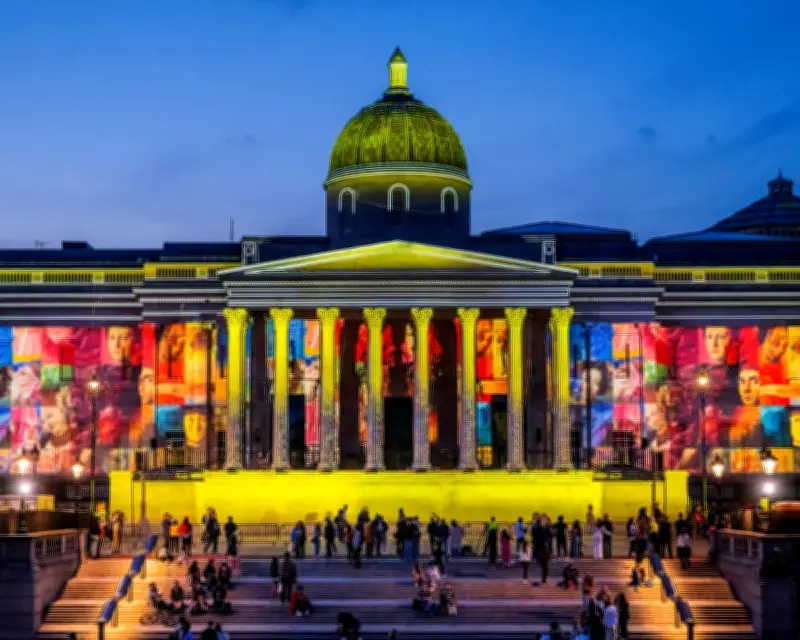
National Gallery Implements Financial Measures to Address Deficit
The National Gallery, one of London's premier cultural institutions, has announced a significant reduction in its financial deficit through a series of strategic adjustments. The gallery, located in Trafalgar Square, has faced ongoing financial pressures, prompting management to reevaluate its operational model. By implementing cost-cutting initiatives, the institution has managed to stabilize its budget, marking a pivotal moment in its financial management.
Changes in Exhibition Strategy and Pricing
Key to this deficit reduction has been a shift in the gallery's approach to exhibitions. The number of free shows offered to the public has been reduced, allowing the gallery to allocate resources more efficiently. Concurrently, ticket prices for major exhibitions have been increased, generating additional revenue streams. This dual strategy aims to balance accessibility with financial sustainability, ensuring the gallery can continue to host world-class art displays.
These changes reflect broader trends in the museum sector, where institutions are increasingly seeking innovative ways to fund operations without compromising artistic integrity. The National Gallery's move is seen as a proactive step to secure its long-term viability, especially in an era of fluctuating public funding and rising operational costs.
Impact on Visitors and Future Plans
While the reduction in free exhibitions may limit access for some visitors, the gallery emphasizes that core collections remain free to view, maintaining a commitment to public engagement. The increased ticket prices are targeted at special exhibitions, which often feature loaned artworks and incur higher expenses. This approach allows the gallery to continue offering diverse programming while addressing its financial challenges.
Looking ahead, the National Gallery plans to monitor the impact of these changes on attendance and revenue, with potential adjustments based on visitor feedback and financial performance. The institution remains dedicated to its mission of preserving and showcasing art, leveraging these measures to ensure it can thrive in a competitive cultural landscape.