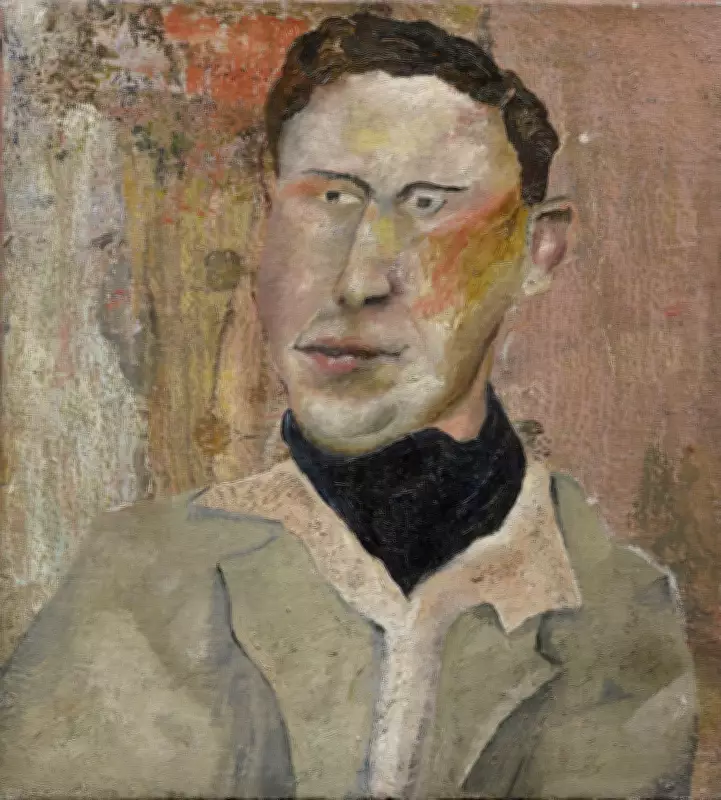
A portrait long believed to be an early work by the renowned British painter Lucian Freud has been officially denied authentication by the artist's estate, casting doubt on its provenance and igniting a fresh debate over the attribution of artworks.
The Portrait in Question
The painting, titled Man in a Black Scarf, depicts a stern-faced individual wrapped in a dark garment. It had been considered a significant early piece by Freud, potentially dating from the late 1940s, a period when the artist was developing his distinctive style. The work was previously owned by a private collector who had acquired it from a reputable gallery.
Authentication Process
The Freud estate, which oversees the authentication of works attributed to the artist, recently examined the portrait. After a thorough review involving stylistic analysis, provenance research, and scientific testing, the estate concluded that the painting was not executed by Freud. The decision was communicated to the owner, who expressed disappointment but accepted the ruling.
This case highlights the challenges in authenticating artworks, especially from an artist's early career when records may be sparse. The estate's process is known for its rigor, often relying on a committee of experts who compare the work against known examples and archival materials.
Implications for the Art World
The denial has significant financial implications. Works by Lucian Freud command high prices at auction; a confirmed early piece could be worth millions. Without authentication, the portrait's value diminishes considerably. However, some argue that the painting may still hold artistic merit and historical interest, even if not by Freud.
The case also raises broader questions about the authority of artist estates and the potential for errors in attribution. Critics note that authentication committees can be conservative, potentially rejecting genuine works due to lack of evidence or stylistic deviations. Proponents counter that such caution protects the integrity of an artist's oeuvre.
Expert Opinions
Art historian Dr. Emily Carter commented: “This is a reminder that attribution is not always straightforward. Early works can be particularly tricky because artists often experiment with different styles. The estate's decision should be respected, but it doesn't necessarily mean the painting is without value.”
Meanwhile, a spokesperson for the Freud estate stated: “Our responsibility is to ensure that only works confidently attributable to Lucian Freud bear his name. This painting, while intriguing, does not meet the criteria.”
Future of the Portrait
The owner now faces a dilemma: whether to continue exhibiting the work as a disputed piece, seek a second opinion from independent experts, or sell it with full disclosure of the estate's decision. The portrait may still find a home in a museum or collection that values its aesthetic qualities regardless of attribution.
This incident underscores the complex interplay between art, authenticity, and market value, and it will likely fuel ongoing discussions about the role of authentication in the art world.