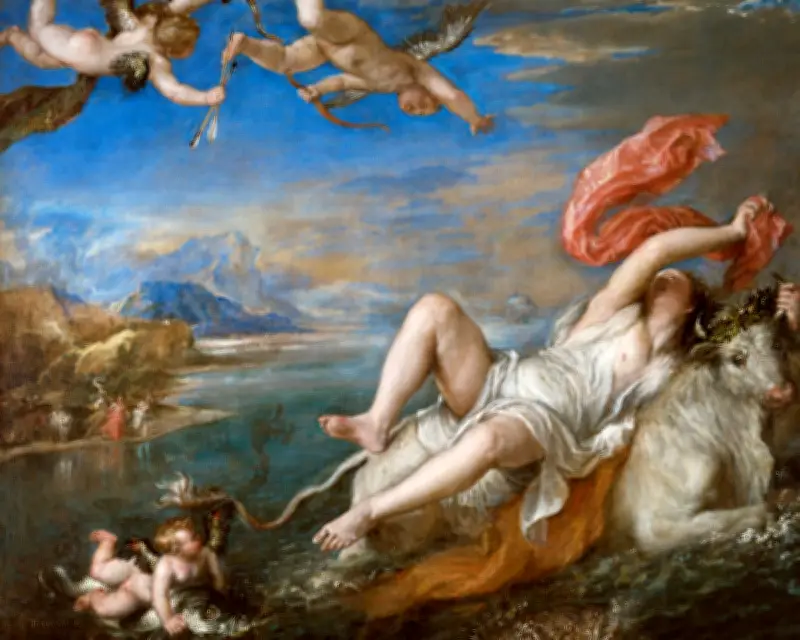
In her timely and punchy new book, philosopher Daisy Dixon examines some of the most controversial artworks ever produced, from classical paintings to modern video games. She explores how an artist's character influences their creations and the harmful effects those works can have on the world. The book, titled Depraved: The Story of Dangerous Art, tackles the moral dilemmas surrounding art that depicts or promotes immoral acts.
Five forms of artistic depravity
According to Dixon, art can be depraved in five ways: it can show an immoral state of affairs; cause someone to do a bad thing; express a dangerous message; be created by an immoral artist; or be made in a morally suspect way. She argues that good intentions do not excuse harmful impact. For example, in 2017, protests erupted around Dana Schutz's painting of Emmett Till's mutilated body at the Whitney Biennial. Schutz aimed to present white remorse, but the overriding response was that she appropriated black pain. "Artistic speech can become depraved even when it is expressed in good faith," writes Dixon.
Titian's masterpiece under scrutiny
Dixon challenges viewers to reconsider Titian's The Rape of Europa, a 16th-century painting of the princess being dragged across the sea by Jupiter in the guise of a bull. "Well, it tells us that sexual violence is alluring and erotic. It tells us that 'No' does not count as genuine refusal; that women, deep down, desire such violation," she writes. However, she acknowledges the painting's beauty—the textures, luminous colours, and raw emotion—before conceding that the bull's dewy eyes and garland of flowers perhaps prettify pain.
Historical and contemporary examples
The book ranges from ancient Greece to the present. Dixon notes that the first Greek sculpture of a naked woman was so lifelike that one man attempted to have sex with it before throwing himself off a cliff. She also cites Ian Brady and Myra Hindley, who murdered five children in the 1960s and were avid readers of the Marquis de Sade's works. In the 1990s, Marilyn Manson was accused of corrupting youth. More contemporary examples include a performance art piece involving live goldfish being pulverised in blenders and a film with shocking paedophilic scenes. A video game named Rape Day needs no explanation, but Dixon insists on confronting such material.
What should we do with depraved art?
Dixon argues that depraved art should not be hidden away but confronted "loudly, angrily, beautifully." She believes the remedy is "better speech. Better art. Better curation." The book is published by Faber at £20. It is a passionate work that will delight some and prompt eyerolls in others.