Forget the punishing new year's resolutions. The secret to a healthier, happier, and longer life might lie not in denial, but in adding a daily dose of creativity and culture to your routine. This is the compelling argument emerging from a new wave of research and literature, suggesting that engaging with the arts should be prioritised alongside a good diet and regular exercise.
The Scientific Case for an 'Art Cure'
Professor Daisy Fancourt, a psychobiology and epidemiology expert at University College London, consolidates extensive evidence in her book, Art Cure. The findings are striking. One major study concluded that people who regularly participated in cultural activities had a 31% lower risk of dying during the follow-up period. This significant statistic held true even after accounting for socioeconomic, demographic, and existing health factors.
Further research highlights more immediate benefits. Regular museum visits or attending live music can make people physiologically younger, while engaging in a monthly cultural activity almost halves the likelihood of experiencing depression. Professor Fancourt contends that if a pharmaceutical drug demonstrated such wide-ranging advantages, it would attract massive public investment. Instead, the UK has seen consistent cuts to cultural sector funding and a devaluation of arts education.
Reclaiming Creativity in Daily Life
Alongside the scientific data, a host of new publications urge individuals to take a proactive approach. Authors are encouraging people to reach for a pen instead of a phone, to make time for reflection and artistic immersion. Julia Cameron, famed for The Artist's Way, has released a daily companion guide. Similarly, Katy Hessel's How to Live An Artful Life and compendiums like Ben Luke's What is Art For? and Lydia Figes' Survival Notes gather wisdom from contemporary artists including Anish Kapoor and Tracey Emin.
These guides represent a shift from traditional self-help. They advocate connecting with our inner selves by deeply observing the outside world, suggesting that losing oneself in art is a radical act in an age of constant self-optimisation.
Navigating the Complexities of Cultural Prescription
Of course, evangelising art and culture comes with caveats. Not all art is comforting, and the history of art is filled with figures who were far from models of wellbeing. It's also crucial to acknowledge that museums and galleries, even when free, can feel inaccessible to many, and those facing severe hardship may find suggestions to take up pottery or ballet tone-deaf.
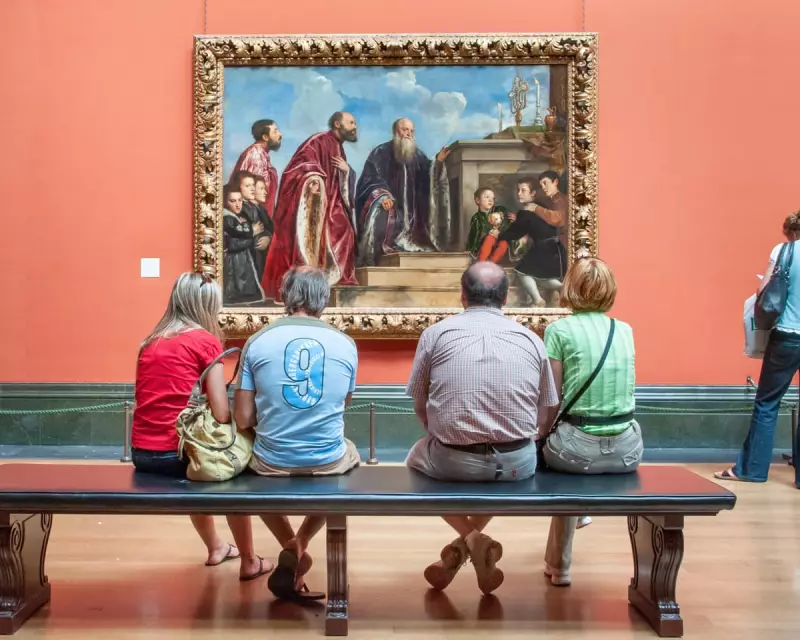
Yet, the core message remains powerful. Active participation in the arts—whether learning a skill, joining a book group, or simply contemplating a painting like Titian's The Vendramin Family at the National Gallery—forces us to slow down, fosters community, and delivers joy. It is a uniquely human pursuit that bolsters our sense of control and wellbeing.
As Charles Darwin reflected in his autobiography, he wished he had made a rule to read poetry and listen to music at least once a week. In a world where creativity faces new challenges, making and sticking to a similar rule for cultural engagement might be one of the most beneficial resolutions we can keep.