The 2026 Cannes film festival draws to a close with an uneasy consensus that this has not been a vintage year. It is a Cannes ordinaire, with older veterans even muttering comparisons to the dreaded 2003 festival, the year of Vincent Gallo's embarrassingly erotic road movie The Brown Bunny.
Missing Hollywood Glitz
Was the Cannes cocktail missing one vital ingredient: the sparkle of Hollywood? Previous years featured glitzy Hollywood films like Mission: Impossible or Elvis, but they were typically out of competition, so their presence or absence does not affect the glittering prizes. However, a really big A-lister studio picture would not have been amiss in the official selection. Are studios so scared of snarky Cannes reviews spoiling their big movies' PR gameplan? Are they petrified of Rotten Tomatoes and its fatuous percentage score? Perhaps.
In any case, the Tinseltown no-show was not the main trouble with Cannes 2026. The real problem was with the big auteurs: those protected silverback gorillas of world cinema who can usually be relied upon to deliver very good or great films. Not this year.
Underperforming Auteurs
László Nemes, Pedro Almodóvar, Asghar Farhadi, Ryusuke Hamaguchi, Cristian Mungiu, and Ira Sachs all gave films that were, frankly, pretty average. Mungiu's Fjord, about an abusive patriarch, was liked by many, and there was saucer-eyed praise for Hamaguchi's All of a Sudden, a contrived tale of a friendship between an actor and a care home director. I, on the other hand, enjoyed the unhurried eccentric comedy in Farhadi's minor film Parallel Tales, featuring a ripe face-off between Catherine Deneuve and Isabelle Huppert, though some denounced it as awful.
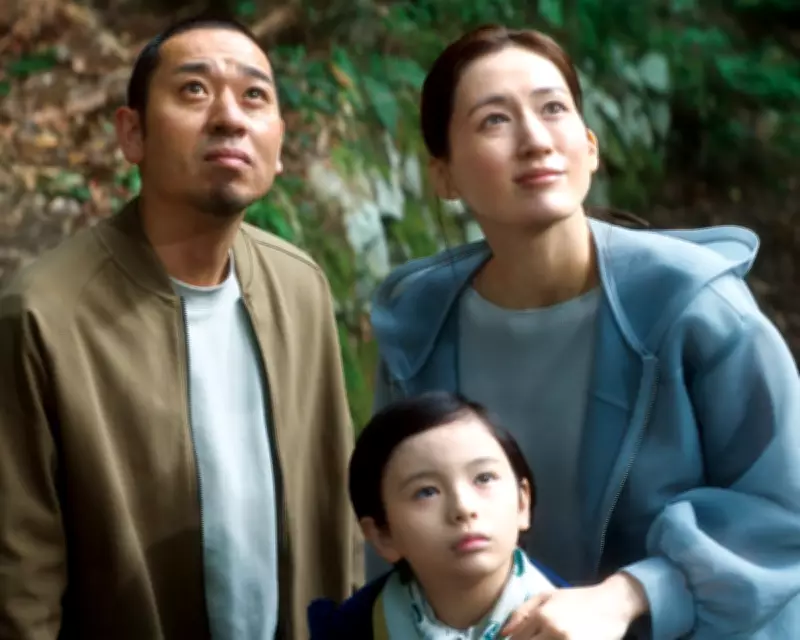
There was wide agreement about the sentimental sci-fi fantasy Sheep in the Box from Japanese director Hirokazu Kore-eda. It landed with a deafening splat, a colossal clunker best forgotten. The problem often lies in the Europudding mix of coproduction, which I suspect results from celebrated filmmakers spending so much time on the international film festival circuit, conversing with prestigious admirers who want to work with them. Hamaguchi's All of a Sudden and Mungiu's Fjord mashed up two settings and national identities, telling us little of value about either.
Highlights and Predictions
The French films were variable, with two about the Nazi occupation of France, the better being Emmanuel Marre's Notre Salut, a fascinating study of Vichy France bureaucracy. But there were superb films. Exiled Russian director Andrey Zvyagintsev triumphed with Minotaur, about Russia's collective trauma and denial over Ukraine. Polish director Paweł Pawlikowski returned with Fatherland, a brilliant historical vignette about Thomas Mann coming to Germany after WWII with his daughter Erika, dense with regret and history, featuring great performances from Hanns Zischler and Sandra Hüller.
Rodrigo Sorogoyen's The Beloved was a grippingly horrible picture about emotional abuse in the movie business, and Marie Kreutzer's Gentle Monster was a brutal study of a married man's terrible secret.
Here are my predictions for Cannes 2026, followed by my imaginary Braddies for categories that should exist but do not.
Palme d'Or
Minotaur (dir. Andrey Zvyagintsev)
Grand Prix
Fatherland (dir. Paweł Pawlikowski)
Jury Prize
The Black Ball (dirs. Javier Calvo, Javier Ambrossi)
Best Director
Marie Kreutzer for Gentle Monster
Best Screenplay
Emmanuel Marre for Notre Salut
Best Actor
Javier Bardem for The Beloved
Best Actress
Léa Seydoux for Gentle Monster and The Unknown
The Braddies
Best Supporting Actor: Miles Teller for Paper Tiger
Best Supporting Actress: Lola Dueñas for The Black Ball
Best Cinematography: Mikhail Krichman for Minotaur
Best Production Design: Antxón Gómez for Bitter Christmas