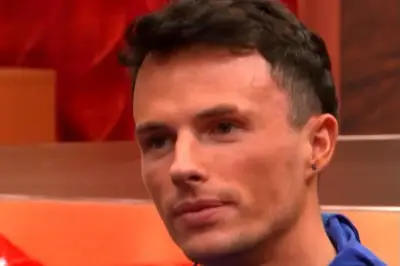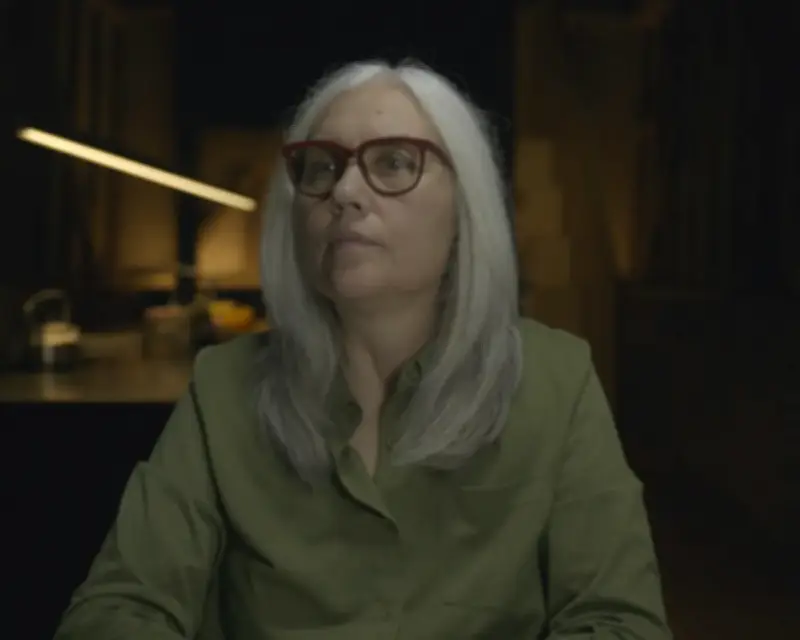
Christine Molloy and Joe Lawlor's new documentary, Act 3, premiered at the Telluride film festival, offering a deeply personal and stylised meditation on their 40-year relationship, their artistic partnership, and the parallel story of French artists Claude Cahun and Marcel Moore. The film is structured as a self-aware dialogue between the two Irish film-makers, who speak quietly and slowly, as if under hypnosis, about their lives and work.
A Metatextual Exploration of Life and Art
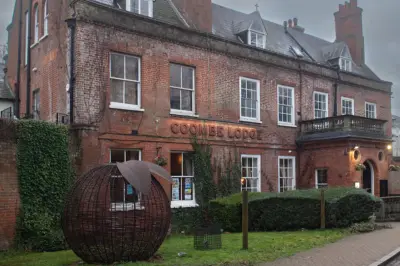
Molloy and Lawlor, known for their eerie psychological dramas and complex essay films, here turn their lens inward. The film's central conceit is their planned drama about Cahun and Moore, the 20th-century French artist couple who adopted masculine-sounding names and were lovers who became stepsisters after their parents married. The film-makers discuss the couple's lives, from their attic room in Nantes—now screen 12 of the city's Pathé cinema—to their involvement in Parisian surrealist salons and their arrest for anti-Nazi activism in occupied Jersey in 1944.
The film reveals that their proposed project is facing funding difficulties because backers are concerned about a problem with its third act. This becomes a springboard for Molloy and Lawlor to reflect on their own "third act" as they enter their 60s, the final stage of their lives. They discuss their wedding in their early 20s, their younger selves, and Joe's brother John, who lives in Thailand with his partner.
Personal Trauma and Artistic Echoes
The film-makers revisit a disturbing experience from a trip to south-east Asia, where they saw a corpse drifting down a river. This trauma was processed into their earlier film Mister John, starring Aidan Gillen as a man who travels to Thailand for his late brother's funeral and drifts into the dead man's identity. Lawlor and Molloy now see the film as having had meaning and relevance that was not clear to them at the time, particularly regarding death and its eternal repetition.
Lawlor tenderly reflects on his father's death from a heart attack, wondering if the same fate is written in his stars or DNA. This personal reflection builds to what the review describes as a "mighty third-act payoff" in the documentary itself.
Bridging the Gap Between Artist Couples
The connection between Molloy and Lawlor's story and that of Cahun and Moore, whose work is only now being rediscovered, remains elusive. The review suggests that the departure and digression may be the point, as the film-makers attempt to make a film about another artist-couple with whom they may have nothing in common. It is in bridging or not bridging this gap that the mystery and artistic energy of the film resides.
Act 3 is an austere experience, with the film-makers' personalities on screen remaining rather opaque, yet it offers a richness and maturity that is absorbing. The film screened at the Telluride film festival, adding to their body of work that includes The Future Tense, a documentary about ideas encountered during the making of Baltimore, their drama about the pro-IRA English heiress Rose Dugdale.