In 'This Dark Night', Deborah Lutz offers a compelling and illuminating window into the world of Emily Bronte, one of literature's most enigmatic figures. Lutz's biography goes beyond the familiar outlines of Bronte's life, delving deep into the intellectual, emotional, and physical landscapes that shaped her only novel, 'Wuthering Heights'.
Unveiling the Mysteries
Emily Bronte has long been a subject of fascination, but much about her life remains shrouded in mystery. Lutz's meticulous research sheds new light on Bronte's inspirations, from the wild Yorkshire moors that formed the backdrop of her childhood to the books she read and the people she knew. The author argues that Bronte's reclusive nature was not a sign of weakness but a deliberate choice that allowed her to cultivate her unique artistic vision.
The Moors as Muse
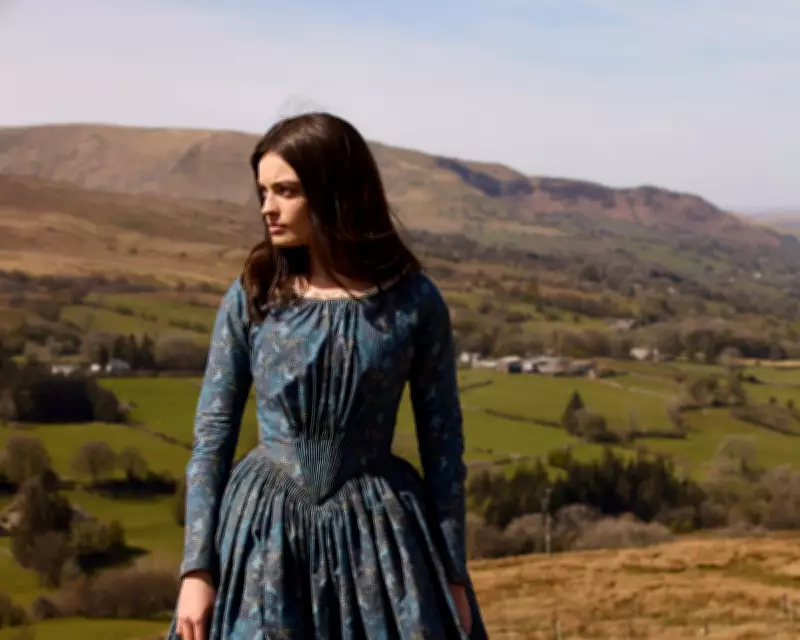
Central to Lutz's analysis is the role of the natural world in Bronte's work. The moors are not just a setting but a character in their own right, reflecting the wildness and passion of Bronte's protagonists. Lutz explores how Bronte's intimate knowledge of the landscape, gained from long walks and solitary rambles, infused her writing with a sense of place that is both vivid and symbolic.

Literary Influences and Innovations
Lutz also examines Bronte's reading habits and the literary influences that shaped her style. From the Gothic novels of Ann Radcliffe to the poetry of Lord Byron, Bronte absorbed a wide range of influences but transformed them into something entirely her own. Lutz highlights Bronte's innovative narrative techniques, including the use of multiple narrators and a non-linear timeline, which were ahead of their time.
A Portrait of the Artist
Perhaps most striking is Lutz's portrayal of Bronte as a deeply thoughtful and disciplined artist. Far from the stereotype of the tortured genius, Bronte emerges as a woman who was fiercely independent and self-assured in her creative choices. Lutz draws on Bronte's letters, diary papers, and the recollections of those who knew her to paint a nuanced portrait of a writer who was both of her time and timeless.
Challenging Myths
Lutz takes aim at several persistent myths about Bronte, including the idea that she was a 'natural' genius who wrote without effort. Instead, she shows that Bronte was a careful reviser who struggled with her work. The biography also addresses Bronte's relationship with her family, particularly her sisters Charlotte and Anne, and the ways in which their literary ambitions intersected and diverged.
Conclusion
'This Dark Night' is a must-read for anyone interested in Emily Bronte or the Victorian literary landscape. Lutz's engaging prose and thorough scholarship make for a biography that is both informative and deeply moving. By bringing Bronte's world to life, Lutz helps us understand not only the woman behind 'Wuthering Heights' but also the enduring power of her art.