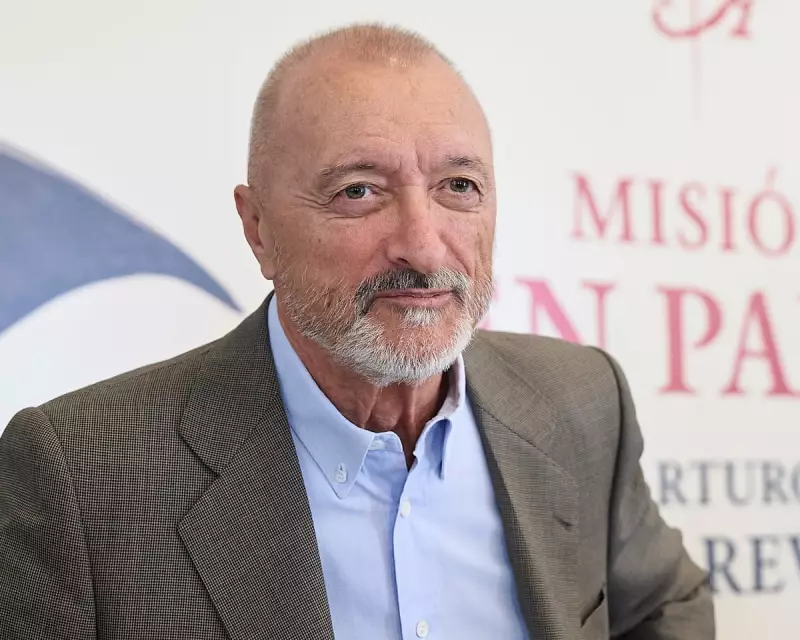
One of Spain's most celebrated authors has launched a scathing public critique against the institution tasked with safeguarding the Spanish language, accusing it of capitulating to the pressures of social media and popular culture.
A Scathing Critique from Within
In a strongly-worded column published in the newspaper El Mundo, bestselling novelist Arturo Pérez-Reverte lambasted the Spanish Royal Academy (RAE), of which he is a member. He argued the academy is failing its foundational duty to "clean, fix and give shine" to the language, a motto it has proudly upheld for centuries.
Pérez-Reverte, famed for his Captain Alatriste series, claimed the influence of professional writers within the academy now "scarcely counts." He described a dominant faction inside the RAE as an "anything goes Taliban" that dismisses the concerns of literary experts in favour of trending online usage.

The Rise of the Digital Influencer
The author presented a stark picture of the modern linguistic landscape. He stated that today, "an illiterate pundit, YouTuber or influencer can have more linguistic influence than a Cervantes prize winner." This shift, he contends, is actively encouraged by the academy's current approach.
He rejected the argument that the RAE's role is merely to record language as it evolves. "If all majority usage, however vulgar or incorrect, is automatically considered valid, the very notion of correctness loses its meaning," Pérez-Reverte wrote. He accused the institution of accepting constructions it once deemed erroneous not through scholarly debate, but due to external pressure from media and social networks.
Defence of Literary Rigour and the Academy's Response
For Pérez-Reverte, the core issue is the devaluation of expertise. "Writers don't just preserve the language, they work with it and project it into the future," he asserted. He warned that the academy's "subservience to social media is damaging its image," leading to a scenario where "academic standards are becoming colloquial" and "rigour is negotiable."
The RAE, which was founded in 1713 to maintain the unity of the Spanish language worldwide, did not provide an official comment to the press. However, sources within the academy told the Europa Press agency that Pérez-Reverte's complaints constituted a "personal and, of course, respectable opinion."
The same sources confirmed the academy's plenary session would rigorously analyse his claims. They stated it would verify if other members shared his views, assess the accuracy of his data, and, if necessary, propose measures to address the operational shortcomings he highlighted. The process is set to begin immediately, with Pérez-Reverte expected to present his case before the full assembly.