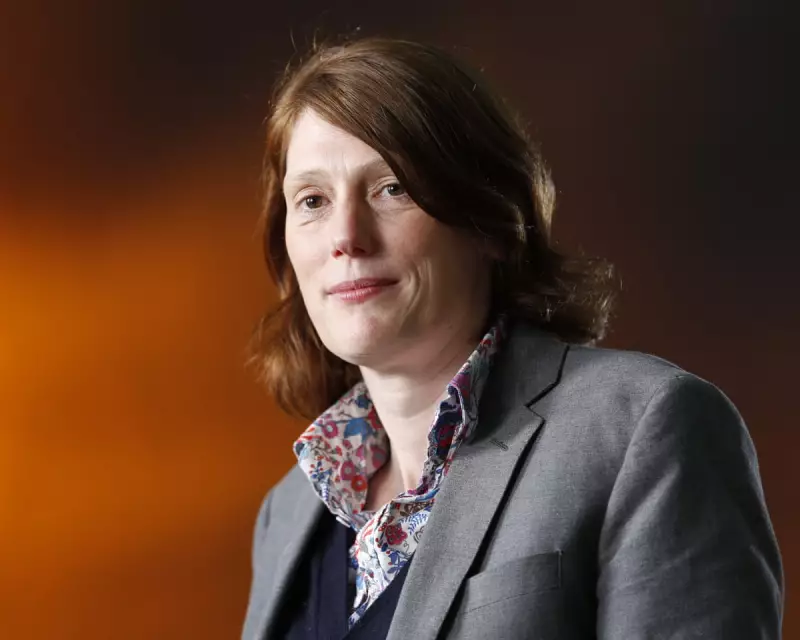
Joanna Kavenna's seventh published work, Seven (Or, How to Play a Game Without Rules), presents readers with a uniquely uncategorisable and protean piece of fiction. This slim yet idea-packed absurdist novel marks the latest step in the author's two-decade career, which has seen her traverse subjects from polar exploration to technological dystopia across multiple genres.
A Peripatetic Plot Through Ideas and Europe
The narrative follows an entirely anonymised first-person narrator, employed in the summer of 2007 as a research assistant to the formidable Icelandic philosopher Alda Jónsdóttir in Oslo. Jónsdóttir specialises in "box philosophy" – the study of how we categorise and organise reality. The plot proper kicks off when the narrator is dispatched to the Greek island of Hydra to meet Theódoros Apostolakis, a dentist, poet, and mystic devoted to the ancient, entirely fictitious board game called Seven.
Apostolakis also guards the Fanouropiton, or "Catalogue of Lost Things", described as a steampunk Book of Kells. What unfolds is a sprawling, episodic journey across scenic European locations, from parabolic skies to silvery seas. The narrator encounters a bizarre cast of thinkers, gamers, artists, and "incoherent rich people", all demonstrating humanity's persistent urge to define and box reality, even as it eludes intellectual grasp.

Philosophical Rigour Meets Absurdist Humour
While the novel delves into weighty themes, referencing figures from King Minos to Alexander the Great and touching on topics from Nazi-occupied Crete to musician Steve Harley, it is consistently leavened by Kavenna's sharp sense of humour. The characters are outrageously drawn, and the situations grow increasingly absurd. At one point, Apostolakis attends an auction to sabotage a plan by privileged iconoclasts to deface a Goya sketch, exclaiming, "He comes to ruin art, wearing a cravat! It's too much!"
The novel engages with theories like those of cultural historian Johan Huizinga, suggesting that "positive ludicrousness" and our capacity for play show that human life exceeds rational order. This hints at Kavenna's intent: Seven is less about philosophy itself and more about its limits. A recurring contrast emerges between the abstract discourses the narrator endures and the sublime natural world they experience, such as waking on a Turkish island to "the scent of mimosa trees and the sound of waves."
A Knotty but Ultimately Rewarding Read
The book's dense, elliptical style will not suit every reader. Some may find its abstruse nature and episodic structure challenging. However, its rewards become apparent when one relinquishes the desperate need to understand every reference. It transforms into an invitation to enjoy a formless universe where "galaxies spiral in on themselves" and everything exists in flux.
Ultimately, Seven feels like an elaborate, enjoyable red herring. Its intellectual tangles – including a subplot about controversy in professional Seven gaming involving an AI platform – often give way to moments of pure, peaceful existence. For those willing to embrace its peculiar rhythm, Joanna Kavenna's latest offers a witty, thought-provoking romp that celebrates the chaos lurking beyond our neat categories.
Seven by Joanna Kavenna is published by Faber (£16.99).