Unveiling Cleopatra: Beyond Seductress Myths to Scholarly Legacy
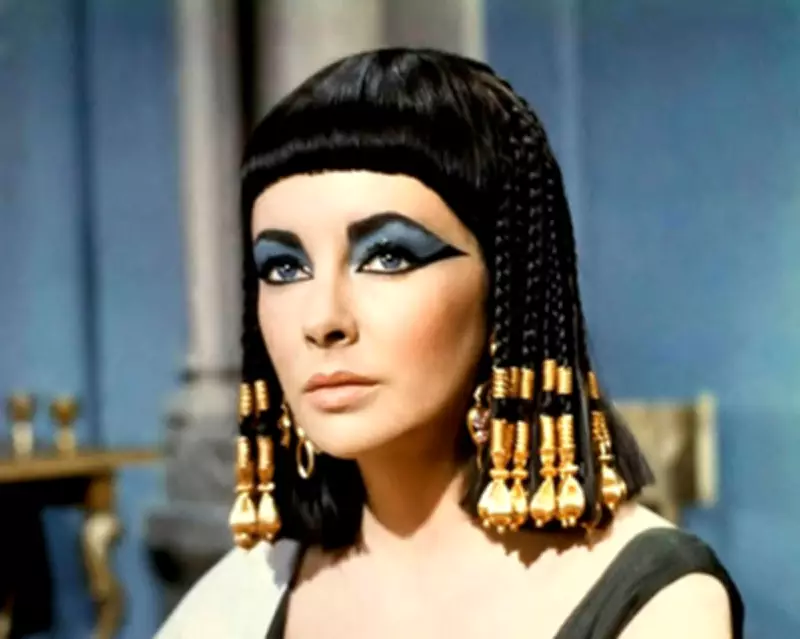
For centuries, Cleopatra VII has been shrouded in myth, often reduced to a seductress or villain in historical accounts. From ancient Roman texts to Joseph L. Mankiewicz's 1963 film starring Elizabeth Taylor, her image has been sexualized and distorted. Yet, the real Cleopatra was a multifaceted ruler whose story demands a deeper look beyond the misogynist narratives that have long defined her.
From Childhood Fascination to Academic Pursuit
Many of us first encounter Cleopatra in school, perhaps tasked with drawing her likeness. For author Saara El-Arifi, this early connection sparked a lifelong curiosity. As a child with Ghanaian, Sudanese, and British heritage, she felt an unexpected kinship with the Egyptian queen, not over skin tone debates, but through a shared sense of displacement and resilience. This personal link drove El-Arifi to pursue a master's in African studies at Soas, where she delved into Cleopatra's true legacy.
What she discovered was startling: Cleopatra lived closer in time to our modern era than to the pyramids, which were ancient relics even in her day. Far from just a figure of allure, Cleopatra was a scholar and polyglot, fluent in at least eight languages. Her interests extended to alchemy and healing remedies, with evidence suggesting she published her own research. This scholarly side contrasts sharply with the gossip-laden tales passed down by Roman historians.

The Corruption of History: Roman Propaganda and Misogyny
Primary sources from Cleopatra's reign are virtually nonexistent, leaving us reliant on accounts written long after her death. Figures like Plutarch, Suetonius, Appian, and Dio chronicled her life over a century later, but their narratives were tainted by Roman bias and misogyny. As Roman men, they had vested interests in portraying Cleopatra as a corrupting influence on leaders like Caesar and Antony, rather than acknowledging her strategic acumen and intelligence.
These historians wielded misogyny as a weapon, labeling her meretrix regina or "harlot queen" to undermine her legitimacy. Even infamous stories, such as Cleopatra dissolving a pearl in vinegar, served to glorify Roman restraint over Egyptian opulence. This propaganda has persisted through centuries, reinforced by cultural depictions like Elizabeth Taylor's film role, which emphasized seduction over substance.
Reclaiming Cleopatra Through Fiction and Memoir
Faced with a historical record mired in bias, El-Arifi turned to fiction as a means of liberation. Initially aiming to write a historical novel, she found that the scant sources were largely gossip and propaganda. This realization led her to a groundbreaking approach: blending memoir with historical fiction. By drawing on her own experiences and those of women around her, El-Arifi filled the gaps in Cleopatra's story, creating a narrative that resonates with modern struggles.
In her book, Cleopatra emerges not as a silent figure but as a thoughtful, cunning leader navigating a male-dominated world. Her journey from uncertainty to boldness mirrors El-Arifi's own, including challenges like early motherhood and facing dismissive attitudes in professional settings. This rendition humanizes Cleopatra, allowing her to make mistakes and grow, making her legacy more relatable and impactful.
Timeless Resilience: Cleopatra's Relevance Today
Cleopatra's tale is one of otherness, misunderstanding, and mistreatment—a narrative that many women recognize today. As governments worldwide shift toward authoritarianism and women's rights face threats, her story gains new urgency. El-Arifi reflects on whether Cleopatra felt the same stifling pressure under Roman insignia as modern individuals do under symbols like St. George's flag.
Ultimately, Cleopatra teaches us that resilience transcends time. While victors may write history, they cannot erase memories or enduring legacies. Her name outshines those of her detractors, inspiring generations to remember and endure. Through works like El-Arifi's Cleopatra, we continue to challenge myths and celebrate the complex, powerful woman behind the legend.