Historic Woolwich Rotunda Faces Potential Revival After Decades of Neglect
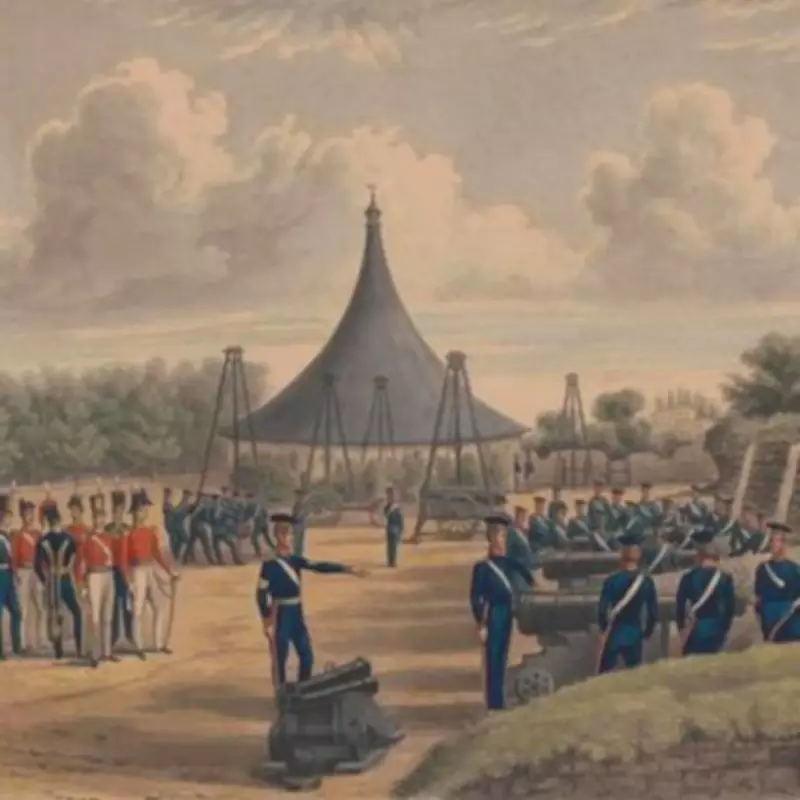
The Ministry of Defence has placed the Grade II listed Woolwich Rotunda on the market for sale, alongside the Royal Artillery Barracks in South East London. This unique circular building, constructed in 1814 as a temporary ballroom to commemorate Napoleon's defeat and exile, has been largely unused since 2010 and is at risk of further deterioration.
A Building Steeped in Royal and Military History
Designed by renowned architect John Nash, who also created Buckingham Palace and Marble Arch, the Woolwich Rotunda originally stood in the gardens of Carlton House in Westminster. It was relocated to Woolwich Common on the orders of the Prince Regent, later King George IV, to serve the Royal Artillery. Opening as a museum in 1820, it was one of the world's earliest purpose-built public museums, showcasing artillery collections until its closure in 1999 when exhibits moved to the Firepower museum.
Over the years, without proper heating or ventilation, the 35-meter-long, 24-sided polygonal structure has fallen into disrepair. It was added to Historic England's Heritage at Risk Register in 2007, with emergency stabilization works costing around £3 million conducted recently to prevent collapse.
Community-Led Campaign to Restore Public Access
In response to the impending sale, local residents have formed the Woolwich Rotunda Trust, led by directors Michael Trousdell and Lara Ruffle Coles. Partnering with the Greenwich Enterprise Board, the trust has launched an ambitious bid to purchase the Rotunda and return it to public use. Lara emphasized, "The Rotunda was built as a gathering place and served that purpose for 181 years. It has decayed for a quarter-century. Restoring it for the nation and Woolwich residents brings it full circle to its original intent."
The proposal includes acquiring the freehold through a symbolic £1 offer to the MOD, with plans for a long-term peppercorn lease. The trust envisions the Rotunda as a versatile community hub, hosting subsidized or free events like school trips and public meetings, as well as cultural activities such as concerts, theatre performances, and exhibitions. Private hires for weddings or corporate functions are also planned to generate revenue.
Funding and Development Plans for Sustainable Future
Adjacent to the Rotunda, the trust and GEB propose constructing new workspace facilities for small and medium-sized businesses, including light industrial units, offices, and creative studios. This development aims to support local economic growth while preserving the historic site.
Two conservation strategies have been outlined: a three-year plan costing £3.6 million and a five-year plan at £5.9 million. The funding model relies on a 70/30 ratio, with 70% sought from heritage grants and the remaining 30% from community fundraising efforts. This approach ensures broad-based support for the restoration, which seeks to revitalize a key piece of London's architectural and military heritage.
As the sale progresses, the Woolwich Rotunda Trust continues to advocate for its vision, highlighting the building's potential to once again become a vibrant public asset after over 15 years of vacancy. The outcome will determine whether this iconic structure can be saved from further decline and restored to its former glory for future generations.