Legal Action Targets Trump Policies on National Park Exhibits
Conservation and historical organizations have filed a lawsuit against the Trump administration, alleging systematic efforts to erase factual history and science from America's national parks. The legal action, filed in Boston federal court, claims that executive orders from former President Donald Trump and Interior Secretary Doug Burgum have forced National Park Service staff to remove or censor exhibits containing accurate information about slavery, climate change, and other critical aspects of American history.
Multiple Lawsuits Challenge Park Service Actions
In a coordinated legal effort, two separate lawsuits were filed on Tuesday targeting different aspects of the administration's policies. The primary lawsuit focuses on what plaintiffs describe as a "federal campaign to review interpretive materials" that has escalated in recent weeks, resulting in the removal of numerous exhibits discussing slavery, civil rights, Indigenous peoples' treatment, and climate science.
The coalition behind this lawsuit includes prominent organizations such as the National Parks Conservation Association, American Association for State and Local History, Association of National Park Rangers, and Union of Concerned Scientists. These groups argue that the administration's actions threaten the educational mission of national parks, which they describe as "living classrooms for our country."
Specific Examples of Removed Exhibits
The lawsuit documents numerous instances where park service officials have flagged or removed interpretive materials:
- At Independence National Historical Park in Philadelphia, explanatory panels about nine people enslaved by George Washington were removed last month. A federal judge has since ordered their restoration while legal challenges proceed.
- The Selma to Montgomery National Historic Trail in Alabama has had approximately 80 items flagged for removal, including materials describing key moments in the civil rights movement.
- Brown v. Board of Education National Historical Park in Kansas has seen its permanent exhibit flagged for mentioning the concept of "equity."
- Grand Canyon National Park lost signage explaining how settlers pushed Native American tribes "off their land" for park establishment and "exploited" the landscape for mining and grazing.
- Glacier National Park in Montana had materials describing climate change's effects on disappearing glaciers ordered removed.
Stonewall Monument Pride Flag Controversy
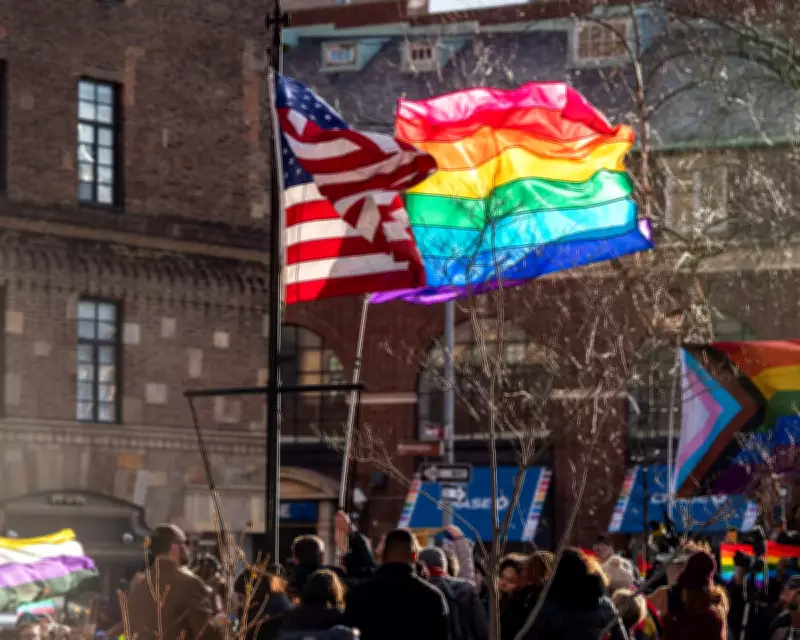
In a separate but related lawsuit, LGBTQ+ rights advocates and historic preservationists are challenging the removal of a rainbow Pride flag from the Stonewall National Monument in New York. The flag, installed in 2022 as the first permanent Pride banner on federal land, disappeared earlier this month following a January 21 memo that largely restricts the park service to displaying only Interior Department and POW/MIA flags.
The lawsuit argues that the Pride flag provided essential historical context for the site, which commemorates the 1969 Stonewall uprising that sparked the modern LGBTQ+ rights movement. Plaintiffs note that the park service continues to make exceptions for other banners, including Confederate flags, that help explain certain sites' history.
Administration Response and Legal Developments
White House spokeswoman Taylor Rogers called the lawsuit "premature" and "based on inaccurate and mischaracterized information," stating that the Interior Department's review of historical exhibits remains ongoing and actions are not yet finalized. The department has appealed the court's ruling in the Philadelphia case, claiming that updated interpretive materials "providing a fuller account of the history of slavery at Independence Hall would have been installed in the coming days" without judicial intervention.
U.S. District Judge Cynthia Rufe, in her Monday ruling ordering restoration of the Philadelphia exhibits, began her written order with a quote from George Orwell's novel 1984 and compared the Trump administration's actions to the Ministry of Truth's revision of historical records. The judge prohibited Trump officials from installing replacement exhibits that explain the history differently while legal challenges proceed.
Broader Implications for Historical Preservation
Former Glacier National Park Superintendent Jeff Mow, who retired in 2022, criticized the administration's approach, stating that the park service "has always taken great pride in its scholarly research, its focus on telling the truth and being very straightforward about that." He called Trump's executive order a "disservice" to the public that makes it "very hard for those that are trying to do their jobs and being storytellers and speaking the truth."
Skye Perryman, president and CEO of Democracy Forward, the nonprofit legal organization that filed the lawsuit, emphasized the importance of comprehensive historical presentation: "You cannot tell the story of America without recognizing both the beauty and the tragedy of our history."
The legal actions come amid growing concerns about how America's complex history is presented in public spaces, with plaintiffs arguing that national parks should tell stories of "our country's triumphs and heartbreaks alike" without censorship or political interference.