Spanish Bishops Turn to Video Games to Combat Plummeting Church Marriage Rates
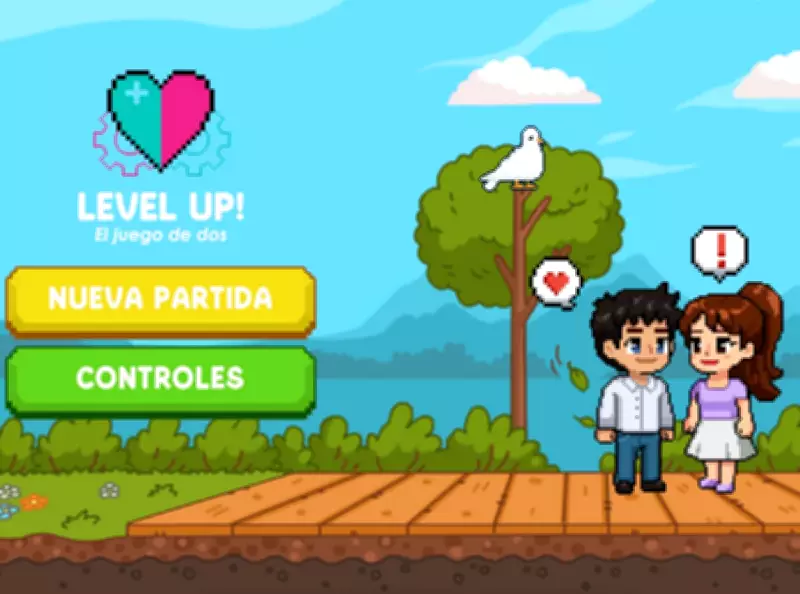
Confronted by a dramatic and sustained decline in religious wedding ceremonies, the Spanish Catholic Church has embarked on an unconventional digital mission. In a bid to revitalize interest in the sacrament of marriage, the Spanish Bishops' Conference has launched a retro-style video game titled Level Up! A Two-player Game, strategically timed for release around Valentine's Day.
A Statistical Crisis in the Church
The ecclesiastical initiative is a direct response to sobering statistics. Recent data reveals that less than 18% of all weddings in Spain during 2024 were conducted in a church, amounting to only 31,462 out of 175,364 total marriages. This figure represents a precipitous drop from 2007, when more than 55% of Spanish couples chose a Roman Catholic ceremony. This steep decline, compounded by persistently high national divorce rates, has spurred the church to develop a series of proactive campaigns aimed at safeguarding and promoting the institution of marriage.
Level Up! The Epic Adventure of Love
The centerpiece of the latest campaign is the video game Level Up!, which carries the slogan "El amor, la aventura más épica" (Love is the most epic adventure). The game features a young virtual couple, Fran and Elena, who navigate daily life and earn rewards as they learn core marital virtues. Players guide the couple through scenarios designed to teach the importance of patience, generosity, modesty, integrity, and empathy.
The gameplay involves confronting real-life situations that couples might face, including workplace problems, bachelor party dilemmas, and navigating relationships with ex-partners. "The campaign is also proactive, aiming to showcase the beauty of Christian marriage," stated the Spanish bishops' conference. "It's not primarily aimed at those already committed, but rather seeks to encourage couples who desire a stable commitment to consider a church wedding."
From University Idea to Gamified Reality
The innovative concept originated from students at the Pontifical University of Salamanca and was subsequently developed by a professional video game designer. The church views the gamified approach as a strategic entry into contemporary culture. "Presenting it as a game enters into dialogue with the gamified society in which we live," explained the conference, "and, at the same time, makes it possible and easy to reflect on the profound and essential elements in the giving of human love that are necessary for marriage that satisfies the longing for happiness of the human heart."
Traditional Methods and Modern Challenges
This digital foray complements the church's more traditional efforts to bolster marriage rates. Six years ago, the bishops' conference introduced an extensive premarital guidance course spanning two to three years, designed to prepare couples for lifelong commitment. This program was developed after church authorities concluded that the standard 20 hours of instruction was insufficient.
Mario Iceta, the former bishop of Bilbao and then president of the conference's subcommittee for the family, emphasized the need for deeper preparation. "You can't prepare for marriage in 20 hours," he argued at a Madrid press conference. "To be a priest, you need to spend seven years in the seminary, so what about being a husband, wife, mother or father? Just 20 hours?" The comprehensive course covered 12 critical areas, including communication, fidelity, the beauty of sexuality, and conflict resolution.
Notably, this earlier program also addressed modern digital pitfalls, explicitly counseling against pornography, which it described as commercializing and falsifying the beauty of conjugal love and warning of its addictive potential.
With the launch of Level Up!, the Spanish Church is deploying both digital innovation and traditional pedagogy in its multifaceted campaign to reverse the trend of declining church marriages and reinforce the values it associates with lasting, sacramental unions.