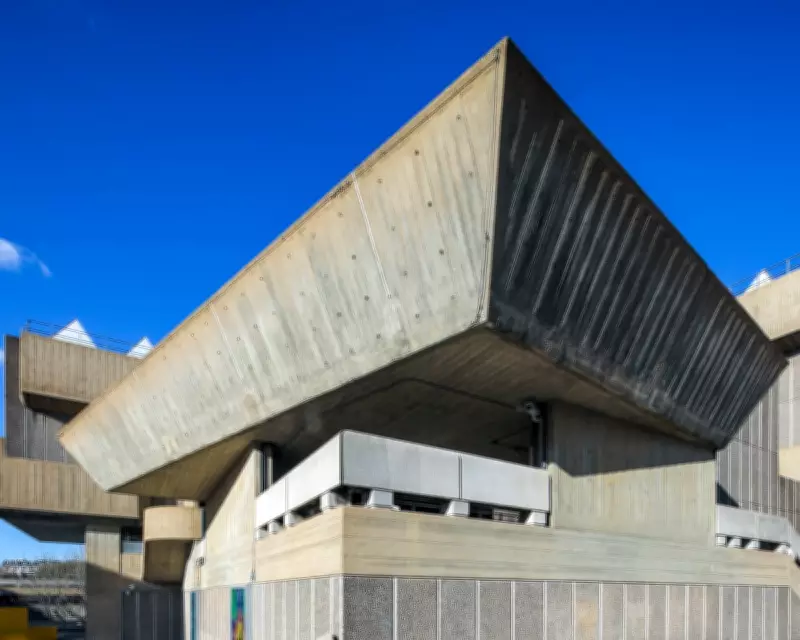
The Southbank Centre, a prominent cultural complex located along the River Thames in London, has officially been awarded protected status, cementing its place as a significant and polarising architectural landmark. This decision, announced by heritage authorities, ensures the preservation of the centre's distinctive brutalist design, which has sparked debate among critics and admirers alike since its inception.
A Controversial Yet Iconic Structure
Constructed in the mid-20th century, the Southbank Centre comprises several key venues, including the Royal Festival Hall, the Hayward Gallery, and the Queen Elizabeth Hall. Its raw concrete facades and geometric forms exemplify the brutalist style, which emerged as a bold departure from traditional architectural norms. Over the decades, the centre has been both celebrated for its innovative aesthetic and criticised for its imposing appearance, making it a focal point of cultural discourse in the UK.
Implications of Protected Status
The granting of protected status means that any future alterations or developments to the Southbank Centre will require special permission from heritage bodies, safeguarding its architectural integrity. This move is seen as a recognition of the centre's historical and cultural value, particularly as brutalist buildings face increasing threats from redevelopment projects across London. Supporters argue that it preserves an important piece of post-war British heritage, while some detractors question whether such a divisive structure merits such protection.
In recent years, the Southbank Centre has hosted a wide array of events, from music concerts and art exhibitions to festivals and community programmes, reinforcing its role as a vibrant hub for the arts. The protected status is expected to enhance its appeal as a tourist destination and cultural institution, potentially attracting more funding and attention. However, it also raises questions about balancing preservation with modernisation, as the centre may need updates to meet contemporary accessibility and sustainability standards.
Overall, this development highlights the ongoing tension between architectural conservation and public opinion, underscoring the Southbank Centre's enduring impact on London's cultural landscape. As one of the city's most recognisable landmarks, its newly protected status ensures that future generations will continue to engage with its striking and controversial presence.