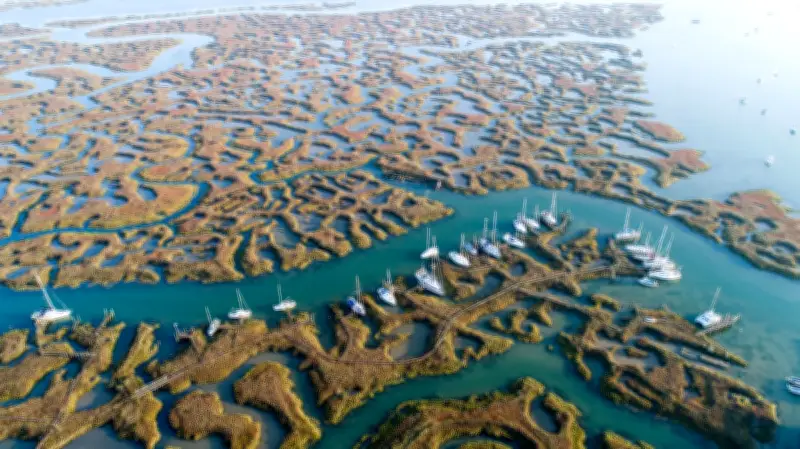
On a Thames sailing barge along the Essex coast, passengers can disconnect from the digital age and reconnect with nature, history, and the simple joy of sailing, according to a recent feature. The experience offers a unique blend of heritage and tranquility, with opportunities to help navigate the vessel or simply relax and take in the surroundings.
A Historic Voyage on the Centaur
The Centaur, a barge built in 1895, is one of only about 30 Thames sailing barges still in operation. Owned by the Thames Sailing Barge Trust, a charity run entirely by volunteers, the vessel offers public cruises ranging from one to three days, as well as private charters for groups of up to 12. The trust also hosts events such as children's art days throughout the year.
On a recent weekend trip, passengers explored the River Blackwater and the Essex coast, with stops at Tollesbury Marina, a swim off Shingle Point, and a wander around West Mersea on Mersea Island. The itinerary was flexible, tailored to the interests of those on board.
The Legacy of Thames Barges
Thames sailing barges, known for their flat bottoms and striking red sails, were once the lifeblood of the east coast, transporting cargo from the Thames estuary into London. Their shallow draft allowed them to navigate rivers with as little as a meter of water, and their efficient rig meant a small crew could handle around 150 tonnes of cargo. They outlived other commercial sailing vessels, remaining active until the 1960s.
Barry Pearce, an 86-year-old former barge skipper, recalls the names of every vessel he worked on, including Remercie, Edith May, and Colonia. He is one of a handful of surviving skippers who delivered freight by sailing barge, and he now volunteers with the trust that preserves these historic craft.
Preserving a Maritime Heritage
The trust faces significant challenges in keeping these vessels afloat. Sailing barges cost between £30,000 and £100,000 a year to maintain, and sourcing the necessary timber is becoming increasingly difficult. Chris Martin, skipper of the Centaur, explains that the barge's exterior planking is made of pitch pine from the Mississippi basin, which is incredibly durable but has been virtually exhausted.
Despite these challenges, the trust offers free training for future skippers, though it typically takes 2,000 hours—or 10 years—to become proficient, and the dropout rate is high. The trust has recently been awarded £28,090 from the National Lottery Heritage Fund to develop a bid for the £4 million needed to restore the Centaur.
An Antidote to the Digital Age
For many passengers, the appeal of sailing on a Thames barge lies in the opportunity to slow down and disconnect. Martin describes the experience as "the antithesis of the digital age's obsession with instant gratification," adding that sailing barges can teach the value of slowing down, doing things with our hands, and spending time in nature.
During the trip, the barge used less than a gallon of fuel to cover 50 miles, a stark contrast to a family car that does about 30 miles to the gallon. This efficiency, combined with the serene pace of travel, left passengers feeling more present and connected to their surroundings.
A Call to Preserve the Tradition
As the trust works to preserve this piece of Britain's maritime history, there is a sense that the responsibility rests on too few shoulders. Martin notes that sailing may be associated with privilege, but as a seafaring nation, this inheritance belongs to everyone. The trust's annual membership is just £37.50, and cruises are priced accessibly, with two-night trips starting at £220 including meals.
For Pearce, the question of why preserving these barges is worth the fight is almost unanswerable. When asked, he simply whispered, "Well, they're just lovely, ain't they?" His sentiment captures the essence of the Thames sailing barge's enduring appeal—a tangible link to a bygone era that continues to inspire and delight those who step aboard.