The Grisly Discovery That Unmasked a Serial Killer
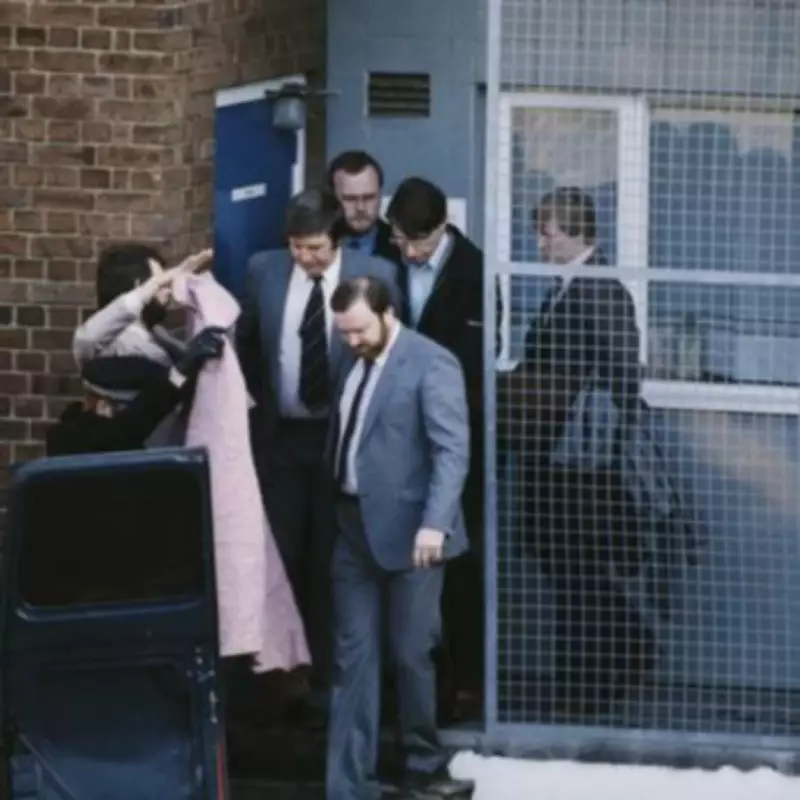
Today marks the 43rd anniversary of a chilling event that began the downfall of one of Britain's most notorious serial killers. On Wednesday, July 9, 1983, a routine plumbing call in North London uncovered evidence that would lead to the arrest and conviction of Dennis Nilsen.
A Plumber's Terrifying Find
Plumber Michael Cottran was called to 23 Cranley Gardens in Muswell Hill after new occupants reported a foul stench emanating from the drains. What he discovered beneath a manhole cover would haunt him forever: a 10-inch blockage of human flesh crammed into the pipework.
"Plumber Michael must have got the fright of his life when he found the remains," one can only imagine. This grim discovery immediately triggered a major police investigation that would uncover horrors beyond comprehension.
The Investigation Unfolds
Following the initial discovery, authorities extended their search to the property itself and nearby locations. Their investigation revealed:
- Two human heads found inside the Cranley Gardens house
- A man questioned from a neighbouring property
- The search extended to Melrose Avenue in Cricklewood
- Police hunting for evidence connected to 16 potential victims
The Killer's Modus Operandi
The evidence pointed to Dennis Nilsen, a former civil servant who would become known as one of Britain's most prolific serial killers. Nilsen's killing spree spanned the late 1970s and early 1980s, with his victims typically being:
- Young men
- Members of the gay community
- Homeless individuals
- Male prostitutes
Nilsen would typically meet his victims in pubs before inviting them back to his home for drinks. During his trial, it was revealed that he used a tie to strangle many of his victims before disposing of their bodies in horrific ways.
Gruesome Disposal Methods
The trial exposed Nilsen's macabre methods for concealing his crimes. After killing his victims, he would:
- Hide bodies beneath floorboards
- Dismember corpses
- Flush body parts down the toilet
- Attempt to burn remains
This explains how human flesh ended up blocking the drains at Cranley Gardens, leading to the plumber's fateful discovery.
Conviction and Aftermath
In 1983, Nilsen was convicted of the murders of six men and sentenced to life imprisonment with a recommended minimum term of 25 years. Despite his conviction for six murders, Nilsen admitted to killing 15 people. The six men he was formally convicted of murdering were:
- Kenneth James Ockenden
- Martyn Brandon Duffey
- William David Sutherland
- Malcolm Barlow
- John Peter Howlett
- Stephen Neil Sinclair
Nilsen spent 35 years in prison before dying at HMP Full Sutton near York in 2018 at the age of 72. His crimes remain among the most disturbing in British criminal history, and the plumber's discovery in North London that summer day in 1983 proved to be the crucial breakthrough that ended his killing spree.
The case continues to fascinate criminologists and the public alike, serving as a grim reminder of how ordinary circumstances can uncover extraordinary evil. The Muswell Hill discovery not only solved multiple murders but likely prevented further deaths, making that plumbing call one of the most significant in British criminal investigation history.