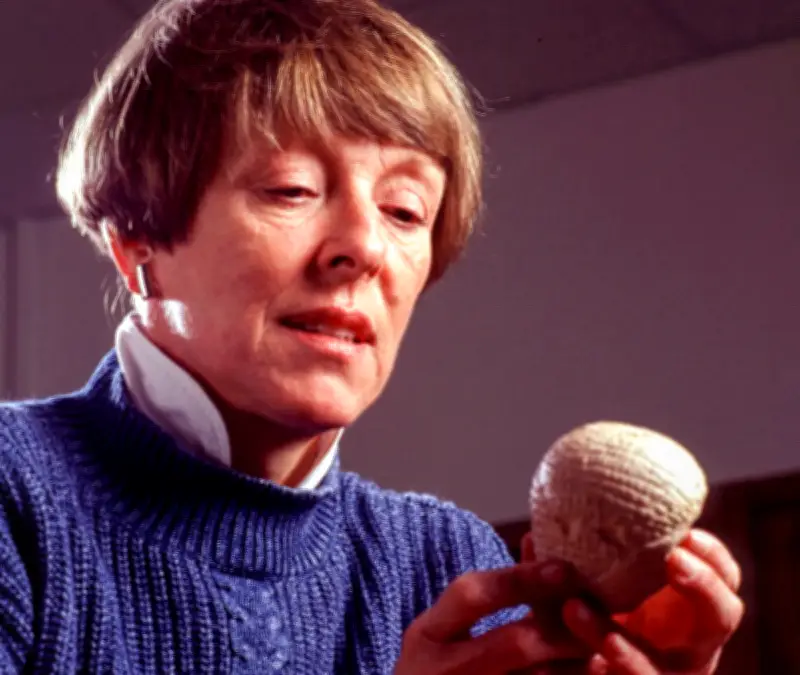
Olga Soffer, a distinguished archaeologist whose work on the Paleolithic era challenged long-held assumptions about prehistoric societies, has died. Her research demonstrated that early humans had a complex relationship with their environment, utilizing plant resources and creating textiles far earlier than previously thought.
Revolutionary Findings on Plant Use
Soffer's groundbreaking studies, particularly her analysis of impressions left in clay at the Dolní Věstonice site in the Czech Republic, revealed that Paleolithic peoples wove plant fibers into textiles and baskets. These findings, published in the 1990s, pushed back the date of textile production by thousands of years and indicated that prehistoric life was not solely focused on big-game hunting.
Challenging the 'Man the Hunter' Paradigm
Her work also critiqued the prevailing 'Man the Hunter' narrative, arguing that women and children likely played significant roles in subsistence strategies. Soffer's interdisciplinary approach, combining archaeology with ethnobotany and experimental archaeology, provided a more nuanced view of prehistoric economies and social structures.
Legacy and Impact
Born in 1944, Soffer earned her PhD from the City University of New York and spent most of her career at the University of Illinois at Urbana-Champaign. She authored and edited numerous influential works, including 'The Pleistocene Old World: Regional Perspectives' and 'Social Transformation in the Late Pleistocene'. Her mentorship of a generation of archaeologists and her commitment to public engagement ensured her ideas would continue to influence the field long after her passing.