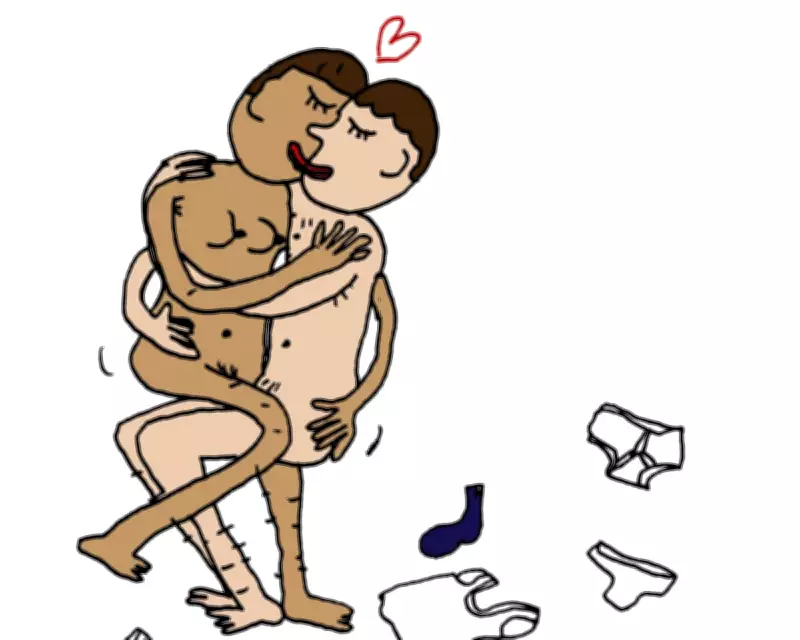
Illustrations from How to make a baby by Anna Fiske have sparked controversy abroad but are celebrated in Norway, where a unique philosophy of childhood learning embraces taboo topics. Anna Fiske, a Swedish-born author living in Norway, received death threats for her 2019 book Hvordan Lager Man en Baby? (How Do You Make a Baby?), which includes illustrations of IVF, insemination, adoption, and intercourse. The book was banned from several US school libraries, labeled as pornographic, and faced objections from a Russian mothers' group over the grimacing faces of women giving birth. Fiske remains bewildered by the backlash, questioning why adults are so afraid.
Norwegian Success and Cultural Acceptance
In Norway, Fiske's unvarnished approach is welcomed. Her 'How to' series has sold over 100,000 copies, and she won the Honorary Brage award in 2025. This success reflects a literary industry that actively embraces taboo subjects. According to Norla (Norwegian Literature Abroad), Norwegian children's literature aims to 'question, explore and imagine without limits,' treating children as independent individuals deserving of serious artistic expression.
Lillehammer Festival Showcases Sensitive Topics
At the Norwegian festival of literature in Lillehammer, sensitive topics such as exclusion, bullying, identity, queer literature, climate issues, mental health, and refugees are on display. Festival director Marit Borkenhagen notes that the difficulty of subjects depends on whether they are considered difficult for children or adults. The festival has hosted authors like Laurie Halse Anderson, whose books on rape and anorexia are banned in the US but well-received in Norway. Homegrown talents like Cathrine Sandmæl's Girls and Cathrine Louise Finstad's Super Brother have also been warmly received.
Philosophy and Economic Support
Svein Nyhus, a Norwegian writer and illustrator, co-authors books with his wife Gro Dahle, including Angry Man (about a violent father) and The Octopus (about incest). He believes anything can be told to children through appropriate form—symbols, expressive drawings, poetic language, and metaphors. The only taboo is to take away hope. Two key factors underpin the Norwegian approach: a cultural view that gives children more agency, with less discipline and more discussion, and an economic model where the state buys large stocks of every book for national libraries, supporting experimentation over market catering.
Global Comparisons and Responsibilities
Other countries also produce daring books, such as Germany's Girl With Scars about self-harm and Italy's Where Do We Go When We Die? by Samy Ramos, which treats death as a fun puzzle. However, book banning remains an issue globally, as seen in the UK with Budmouth Academy removing The Hate U Give. Fiske prioritizes children first, writing about her own curiosities and consulting child psychiatrists to avoid scaring readers. She believes nothing is too much for a child if told correctly, aiming to comfort and remove misunderstandings, like when a parent dies by suicide.