University of Sheffield Launches National Census to Preserve Regional Swearwords
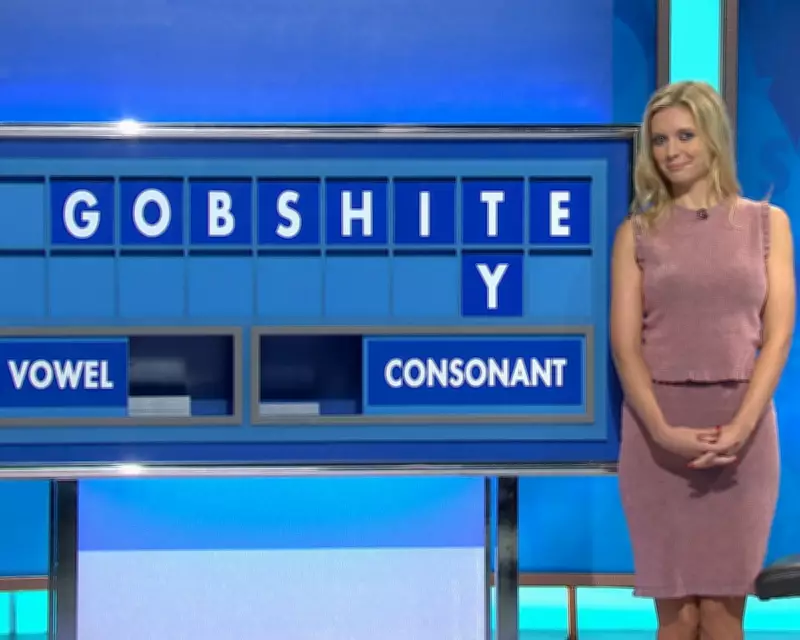
In a recent episode of Countdown, Rachel Riley placed the letters HGTOIBYES on the board, leading Susie Dent to form the word 'gobshite'. This playful moment highlights the rich tapestry of British language, which is now the focus of a groundbreaking academic project.
Documenting Britain's Colourful Insults
Across the British Isles, an idiot might be called a 'divvy' in Merseyside, a 'pillock' in Leeds, or a 'dinlo' in Portsmouth. However, with the homogenisation of the English language accelerating, these parochial phrases are at risk of disappearing. Soon, that wandering fool might simply be labelled an 'idiot' nationwide, erasing local linguistic flair.
To combat this loss, experts at the University of Sheffield have initiated the first national census of swearwords. The goal is to create a 'vivid, honest record' of regional insults and curses that are unique to specific towns and cities. Dr Chris Montgomery, a senior lecturer in dialectology and the project lead, explained the urgency: 'We've got data on general swearwords over time, but we know very little about regional swearing. What is being lost? We don't know, as swearing serves important social functions, from expressing frustration to building solidarity.'
How the Project Works
The project emerged after Dr Montgomery was approached by the art initiative Modern Toss, which sought academic collaboration to map British swearwords. Now, people across Britain are invited to submit their local insults. Researchers are particularly interested in words that are recognised locally but obscure elsewhere, such as 'arl arse' in Liverpool, 'bampot' in Glasgow, and 'radgie bastard' in north-east England.
This data will not only preserve linguistic heritage but also inspire exhibitions nationwide. Plans include an interactive map where visitors can press a button to hear swearwords spoken in local accents, offering an authentic glimpse into contemporary speech.
Broader Implications for Language and Technology
The initiative also addresses technological challenges. Research from the University of Sheffield has shown that AI often struggles with regional accents and non-standard English. By capturing data on language variations, this project aims to aid tech development and ensure regional dialects are not excluded from digital tools.
Dr Montgomery emphasised that this is not about promoting offensive language but providing insight into how English is spoken in 2026. 'Some traditional regional dialects might be disappearing,' he said. 'This project celebrates the language people actually use, preserving it for future generations to understand communication in towns and cities across the country.'
Academic Support and Social Value
Fellow linguists have welcomed the survey. Dr Robbie Love, a lecturer in English language at Aston University, noted: 'There's a lot we don't know about localised swearing practices. This census is really welcome, as it will uncover unique words that reflect regional identity.' He added that destigmatising the non-abusive functions of swearing is crucial, stating, 'This isn't about encouraging rudeness but celebrating diversity and acknowledging that swearing is a day-to-day part of life for many.'
Ultimately, the project underscores the dynamic nature of language. By treating taboo language as a serious research subject, it helps illuminate how language evolves and fulfills social roles, ensuring Britain's diverse dialects are remembered and valued.