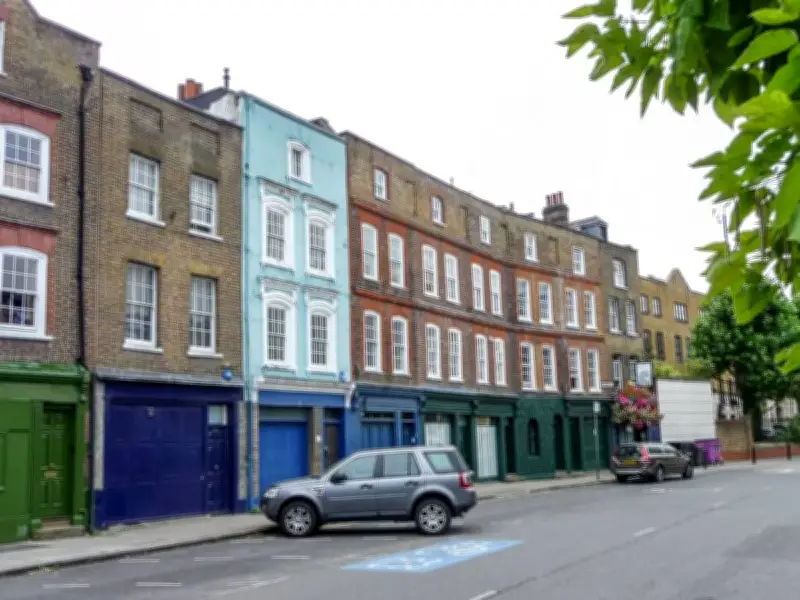
Narrow Street in Limehouse is an underrated gem in East London, offering a rare glimpse of 'old London' despite being surrounded by modern skyscrapers. This picturesque Thames-side street features beautifully preserved Georgian terraced houses dating back to the 18th century, providing a stark contrast to the contemporary skyline.
Beyond its architectural charm, the street is home to The Grapes, a historic pub owned by actor Sir Ian McKellen. Built in 1720, the pub survived the Blitz and was a favorite haunt of Charles Dickens. Visitors might even spot McKellen, known for his role as Gandalf, on pub quiz night.
A Walk Through History
Limehouse itself has a history dating back to 1356, when it was known as Les Lymhostes, named after the lime kilns used in local pottery industries. The area was once a thriving commercial center due to its prime position on the River Thames, and even Sir Francis Drake departed from Limehouse Wharf on one of his New World expeditions.
The street's historical significance extends to its role as the original Chinese center of London, predating the more famous Chinatown in Westminster. In the late 19th century, Chinese sailors and their families settled in Narrow Lane, creating a hub for tea and opium trade. The area became notorious for this trade, and even Sherlock Holmes is said to have visited Limehouse for opium. The Chinese community later moved to Soho following the Blitz.
Modern Transformation
While Narrow Street retains its historical character, it has undergone significant redevelopment since the 1990s, similar to many parts of the capital. This transformation has led to soaring property prices and attracted excellent restaurants to the neighborhood.
One notable venue is Gordon Ramsay's stylish gastropub, The Narrow, which adds a contemporary touch to the historic street. For those seeking things to do in London, a walk down Narrow Street offers a unique blend of history and modernity.
The street's evolution from a commercial hub to a residential and dining destination reflects broader changes in East London. Despite the modern developments, Narrow Street remains a testament to the area's rich heritage, offering visitors a chance to step back in time while enjoying the amenities of contemporary London.