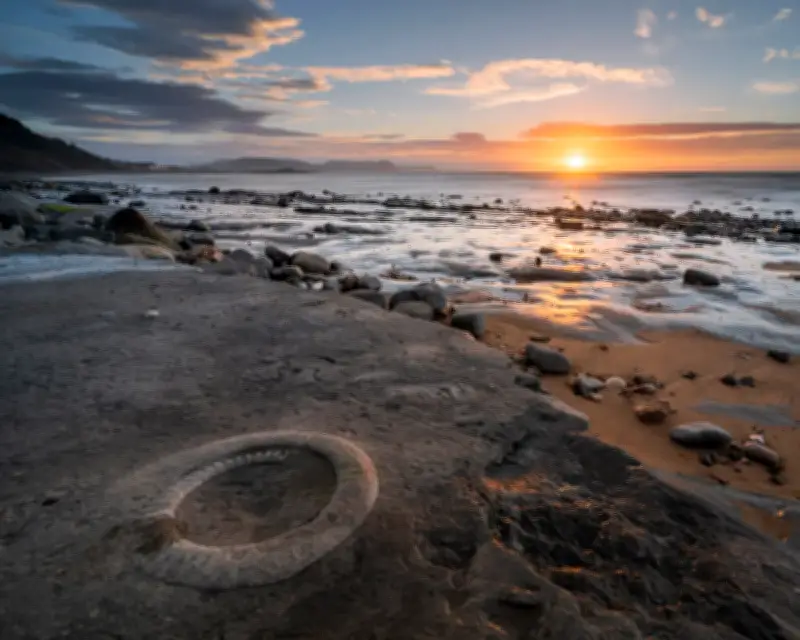
A UK Member of Parliament has called for a ban on the export of fossils deemed national treasures, arguing that such specimens are part of the country's scientific and cultural heritage. The proposal, reported by The Guardian, aims to prevent significant paleontological finds from leaving British shores, potentially altering how museums and private collectors handle future discoveries.
Proposal Details and Rationale
The MP, whose name was not disclosed in the initial report, suggested that fossils of exceptional scientific value should be subject to the same export controls as other national treasures, such as historic artworks and manuscripts. Currently, fossils are not automatically covered by export regulations, meaning that rare specimens can be sold to overseas buyers without government scrutiny. The MP argued that this loophole undermines the UK's ability to retain important evidence of evolutionary history.
Under the current system, a fossil must be individually assessed by expert panels before an export license is granted. However, this process is often triggered only when a buyer applies for an export license, and many sales occur without such applications. The MP's proposal would introduce a pre-emptive classification system, allowing the government to identify and protect key fossils before they enter the market.
Impact on Research and Museums
If implemented, the ban could significantly affect the scientific community. Museums and universities often rely on private collectors and commercial dealers to acquire new specimens. A block on exports might reduce the financial incentive for collectors to sell within the UK, potentially driving high-value fossils onto the black market or discouraging legal discoveries altogether. However, proponents argue that keeping such fossils in the UK ensures that researchers have access to them, fostering long-term study and public engagement.
The proposal comes amid growing concern over the loss of scientifically important fossils to overseas institutions, particularly in the United States and Asia, where wealthy buyers have driven up prices. In recent years, several notable British fossils, including a complete ichthyosaur skeleton, have been sold to international buyers, sparking public outcry and calls for reform.
Next Steps and Reactions
The MP has indicated that they plan to raise the issue in Parliament, seeking cross-party support for a change in legislation. The government has yet to respond, but the Department for Culture, Media and Sport, which oversees export controls, may be asked to review current guidelines. Meanwhile, paleontologists and museum curators have expressed mixed reactions, with some welcoming the initiative as a necessary safeguard, while others caution that overly strict controls could hinder scientific collaboration and the legitimate trade in fossils.
The final outcome remains uncertain, but the debate highlights the delicate balance between preserving national heritage and supporting ongoing scientific discovery. If the proposal gains traction, it could lead to the first comprehensive legal framework for fossil exports in the UK, setting a precedent for other countries facing similar challenges.