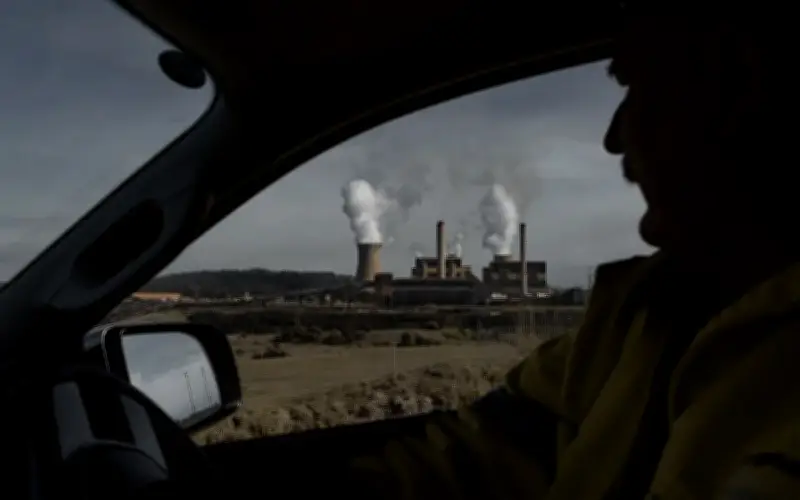
Latrobe Valley's coal industry is in terminal decline, with Yallourn power station scheduled to end operations in 2028 and Loy Yang in 2035. Jesse Thompson's photographic project documents this period of rapid change and examines the legacy being left behind.
Coal Industry's Decline and Economic Impact
Once the economic lifeblood of the region, the coal industry has been declining for decades. In the 1980s, just under a third of the valley's labour force worked in the coal industry. About half of that workforce was laid off when the previously state-owned industry was privatised by the Kennett government in the 1990s. The mines and power stations stayed open, but the valley's economic fortunes declined.
One major power plant, Hazelwood, closed in 2017 and is now being rehabilitated. The two remaining plants, Yallourn and Loy Yang, are scheduled to cease operations in 2028 and 2035, respectively, due to age and as the country increasingly switches to renewable energy. Unemployment rates in the valley remain well above the state average.
Public Health and Environmental Consequences
The coal industry has had significant public health impacts. Public health advocate Wendy Farmer, who lives in Newborough, lost her grandfather, father and brother to illnesses related to the coal-fired power stations and mines that lie immediately proximate to her home. A giant mine fire in 2014 was described by Environment Victoria as 'the worst air pollution disaster in Victoria's history'. Poor air quality and the proximity of the mines to population centres has contributed to valley residents dying four years younger than the state average.
Many locals live with the ongoing consequences of these public health failings. Sprinklers spray the ground at the Hazelwood coalmine to reduce fire risk and contain coal dust. Operations ceased at Hazelwood after the devastating 2014 mine fire, which caused several deaths and widespread illness.
Economic Challenges and Uncertain Future
The phased closure of the valley's mines and power stations is bringing environmental and public health benefits but also brings economic challenges. Some local businesses and workers rely on servicing the coal industry and are fearful of what will happen when the mines close. Mine workers anxiously await an announcement at a union meeting in Moe. Many agree that Australia needs to shift away from coal-fired power but feel frustrated at what they see as a lack of sufficient planning for the valley's future. For coal workers, it's about where they will find work and whether they will have to move away.
For business owners that service the coal industry and its workers, it's about whether they will be able to stay open after the mine closure. The Coal Miners Take Away shop in Yallourn North sits closed and vacant, a symbol of the uncertainty. A worker repairs earthmoving components in a workshop in Traralgon, where some locals welcome the end of the coal era.
Documenting the Legacy
The valley is not as economically reliant on the coal industry as it once was, but it remains important, and a mainstay of everyday life. Thompson's project aims to document this period of rapid change in the valley and to examine the legacy that the coal industry is leaving behind. The remains of an ancient tree, likely more than 30m years old, are unearthed in the Yallourn coalmine, a reminder of the deep history being uncovered as the industry winds down.