Mysterious Lake District Barn Joins Elite Heritage List as Grade II* Landmark
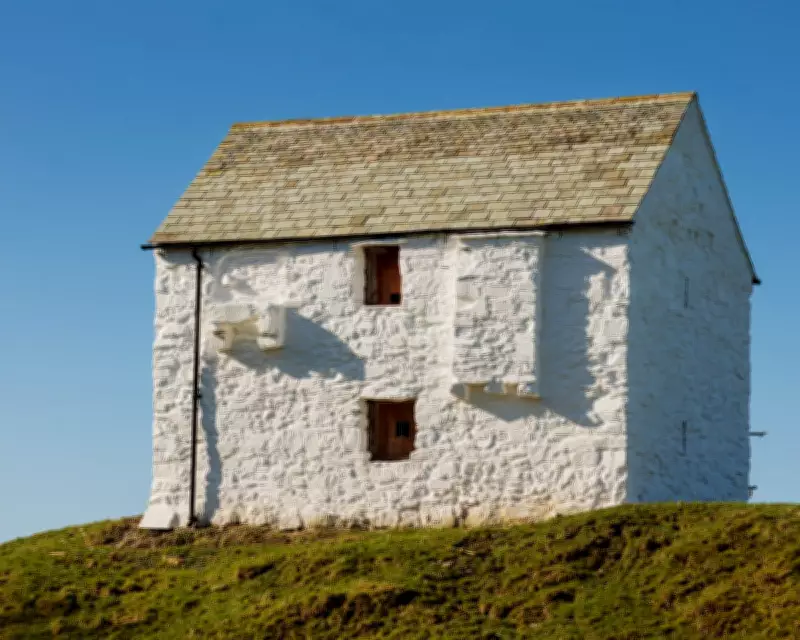
A mysterious limestone rubble barn nestled in the Lake District has been awarded prestigious Grade II* listed status, joining an elite group of England's most significant heritage buildings. Known as Henry's Castle, this enigmatic structure near Kendal is believed to date back as far as the 14th century and has recently undergone extensive restoration work.
Rare Building That Raises More Questions Than Answers
The Department for Culture, Media and Sport granted the listing on the advice of Historic England, placing Henry's Castle among only 5.8% of listed buildings that achieve Grade II* status, reserved for structures offering "more than special interest." Sarah Charlesworth, Historic England's listing team leader, described the building as "one of those rare buildings that raises more questions than it answers."
"This mystery is part of what makes it so compelling," Charlesworth emphasized, noting that while the building has been used as a field barn in recent centuries, its original purpose remains unknown.
Medieval Craftsmanship and Architectural Intrigue
Archaeologists, architects, and conservation engineers have spent four years restoring the building, revealing remarkable medieval craftsmanship. The most striking feature is the oak roof structure, described as "a precisely hand-finished, chamfered and pegged central truss of a type associated with high-quality carpentry of the 14th or 15th centuries."
Rose Lord, built environment adviser at the Lake District National Park Authority, visited the building in 2022 and immediately recognized its significance. "Despite its layers of animal manure, I knew it was something very special," Lord recalled. "I could tell it was definitely more than just a field barn."
The building features a corbelled (stepped) chimneystack and corbelled garderobe, with interior plastering and limewashing suggesting domestic use. "The whole arrangement of fireplaces, windows, doors was something way different to anything I had ever seen," Lord added.
Theories About Original Purpose
Experts have proposed several theories about the building's original function:
- A lookout dwelling with defensive purposes
- A hunting lodge for a deer park
- A glamorous summer house used sporadically by wealthy owners
Historic England notes that the structure shares characteristics with bastles—fortified farmhouses common along the Anglo-Scottish border built to protect farming families and livestock from raiders. However, its location in a valley near Kendal, approximately a half-hour walk from the village of Underbarrow, places it too far south to be classified as a true bastle.
Historical Transformation and Restoration
Research indicates the building was converted to domestic use in the 16th or 17th century before becoming a field barn by the 19th century. It derives its name from Henry Willison, a farmer who once owned the property.
Lord described achieving the high listing as "the cherry on the cake" for what had been a "very rewarding" restoration project. "Most buildings which are that significant have already been picked up in previous surveys," she noted, highlighting the exceptional nature of this discovery.
Future Preservation and Interpretation
Interpretation panels will be installed in the coming weeks to help visitors understand the building's history and significance. Conservationists have also added a nesting box to attract owls, continuing the structure's long history of providing shelter while preserving its architectural integrity for future generations.
The addition of Henry's Castle to the Grade II* list represents a significant recognition of England's diverse architectural heritage, demonstrating that even humble agricultural buildings can hold secrets of medieval craftsmanship and historical importance worthy of national protection.